
For generations, society has often presented a narrow definition of what it means to be beautiful. Certain body shapes, skin tones, facial features, hairstyles and ages have been promoted as more desirable than others. Advertising, entertainment, fashion and social media have frequently reinforced these expectations, sometimes making people feel that they need to change themselves to be considered attractive.
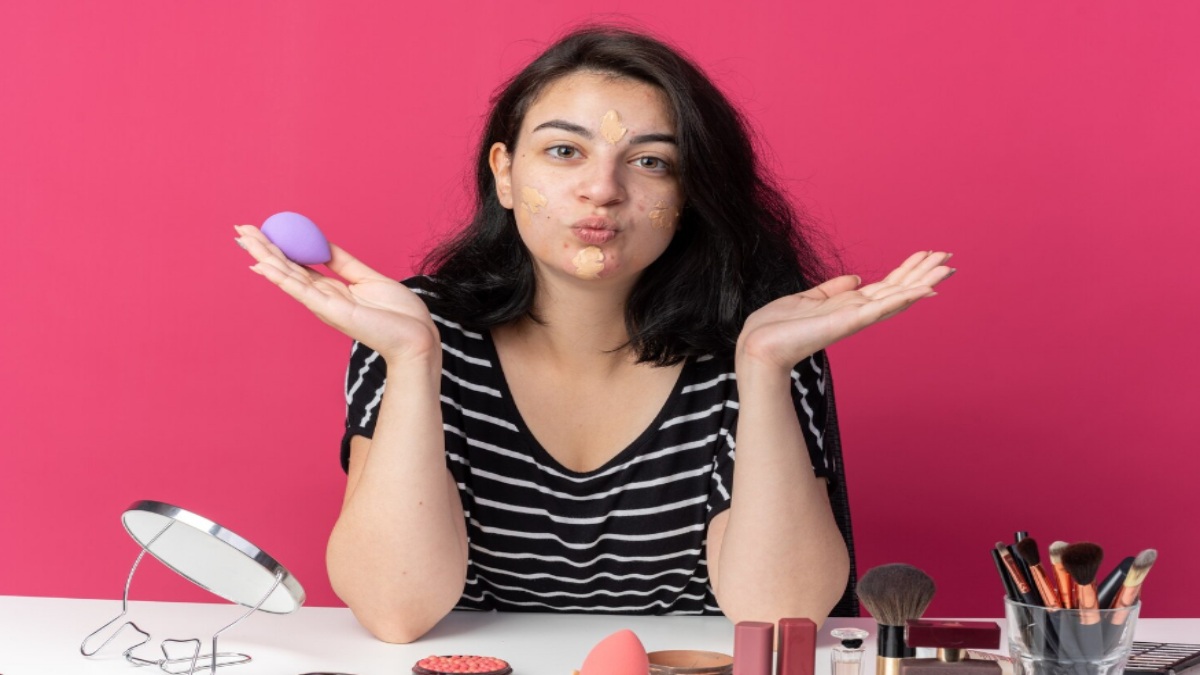
Today, however, conversations around beauty and self-acceptance are changing. More people are challenging outdated stereotypes and recognizing that beauty does not have a single appearance.
Breaking beauty stereotypes is not about rejecting fashion, makeup or grooming. It is about giving people the freedom to choose how they want to look without feeling pressured to meet an unrealistic standard.
Related Articles
What Are Beauty Stereotypes
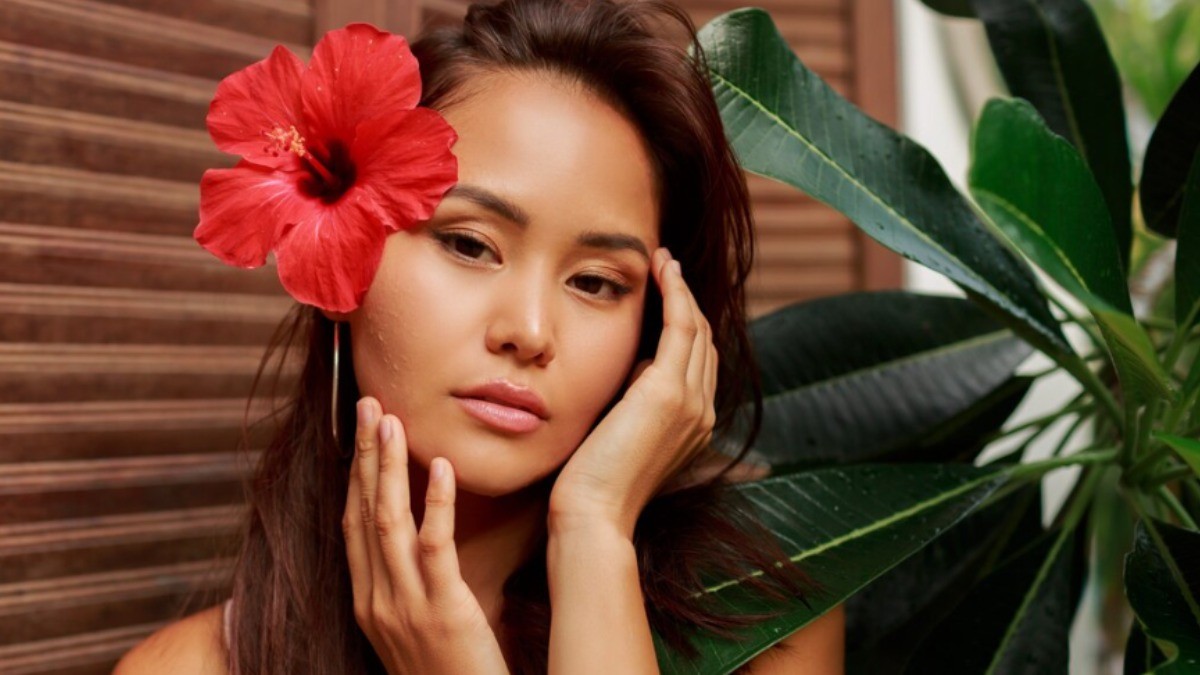
Beauty stereotypes are assumptions about how a person is expected to look in order to be considered attractive. These expectations can vary across cultures and generations.
For example, society may associate youth with beauty, expect women to have particular body shapes or suggest that certain skin tones are more desirable. Men can also face pressure to have muscular bodies, particular hairstyles or specific facial features.
These standards can be particularly harmful when they are presented as universal truths rather than changing cultural preferences.
Related Articles
The Impact of Unrealistic Beauty Standards
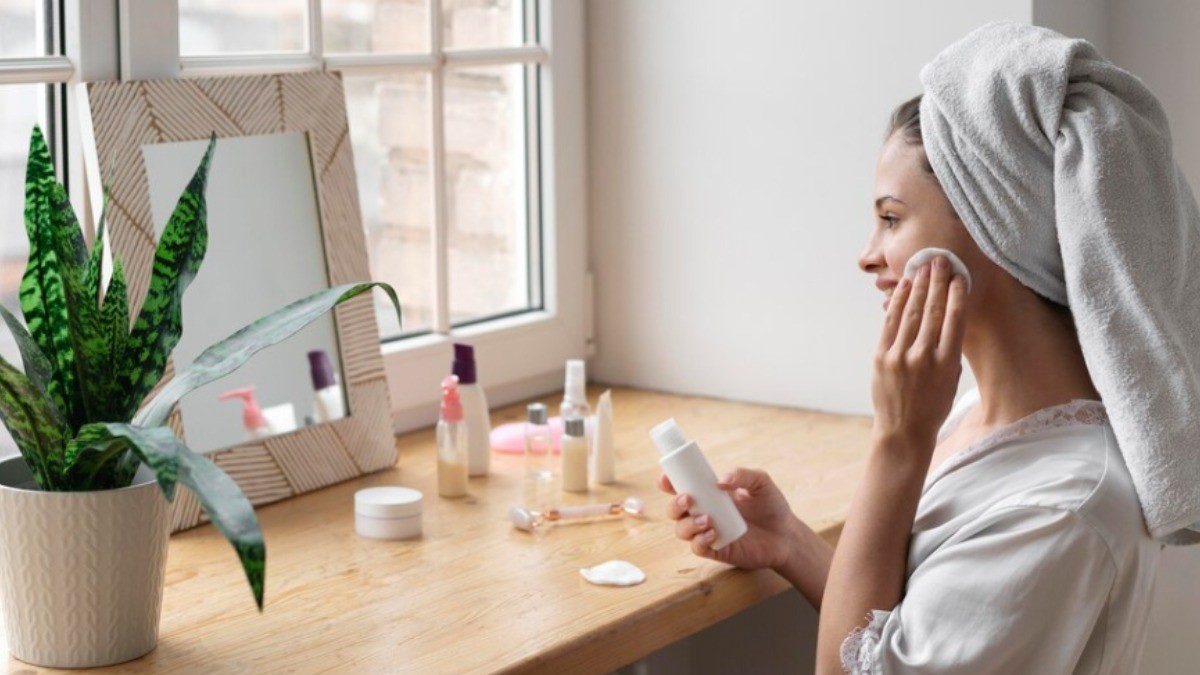
Constant exposure to idealized images can affect how people view themselves. Photos may be professionally lit, carefully posed, edited or digitally altered, yet viewers may compare their everyday appearance with these unrealistic representations.
This comparison can contribute to dissatisfaction with one's appearance and may affect confidence.
Young people can be especially vulnerable because their ideas about identity and self-image are still developing. Social media can intensify this pressure through filters, beauty trends and highly curated lifestyles.
Learning to recognize that online content does not necessarily represent reality can help create a healthier relationship with appearance.
Beauty Comes in Different Skin Tones
One important part of breaking beauty stereotypes is challenging colour-based beauty standards.
People naturally have different levels of pigmentation and a wide range of skin tones. No particular complexion is inherently more beautiful or valuable than another.
Skincare should focus on maintaining healthy skin rather than trying to erase a person's natural complexion. Products marketed around "fairness" or unrealistic promises of changing natural skin colour can reinforce harmful ideas about appearance.
A more inclusive approach celebrates healthy, well-cared-for skin across the entire spectrum of natural skin tones.
Age Should Not Define Beauty
Another stereotype is that beauty belongs primarily to younger people.
Growing older is a natural part of life, and changes such as wrinkles, grey hair and changes in skin texture are normal. While some people enjoy anti-ageing skincare or cosmetic treatments, these choices should be personal rather than driven by fear of aging.
Beauty can evolve throughout life. Confidence, experience and individuality can become important parts of how someone expresses themselves at every age.
Challenging Body-Shape Expectations
Body shape is another area where stereotypes can create unnecessary pressure. Fashion and popular culture have historically promoted particular silhouettes as ideal, even though healthy bodies naturally come in many different shapes and sizes.
Body positivity and body neutrality encourage people to move away from judging their worth primarily by appearance.
Taking care of the body through nutritious food, movement, adequate sleep and medical care is valuable, but health should not be reduced to a particular size or shape.
Social Media Can Be Part of the Solution
Although social media can reinforce unrealistic beauty expectations, it can also help challenge them.
Creators from diverse backgrounds are increasingly sharing unfiltered experiences, different body types, natural hair textures, visible skin conditions, disabilities and varied approaches to fashion and grooming.
Following a broader range of creators can expose people to more realistic representations of beauty. Taking regular breaks from social media can also be useful when online comparisons begin affecting self-esteem.
Beauty and Self-Expression
Breaking beauty stereotypes does not mean everyone must stop caring about appearance. Makeup, hairstyles, clothing, skincare and grooming can all be enjoyable forms of self-expression.
The important distinction is choice.
Wearing makeup because you enjoy it is different from believing you are unacceptable without it. Following a skincare routine because you enjoy healthy skin is different from feeling ashamed of your natural appearance.
Personal style becomes more empowering when it comes from preference rather than pressure.
How to Develop a Healthier Relationship With Beauty
Start by questioning the standards you have absorbed over time. Ask whether a particular beauty expectation genuinely reflects your personal preferences or whether it comes from advertising, social media or social pressure.
Avoid comparing your real-life appearance with heavily edited photographs. Focus on qualities beyond appearance, including kindness, creativity, intelligence, resilience and relationships.
It can also help to use more compassionate language when talking about yourself. Instead of constantly identifying perceived flaws, acknowledge what your body allows you to experience and accomplish.
Breaking beauty stereotypes means expanding the definition of beauty rather than creating another set of rules. There is no single skin tone, body shape, age, facial feature or hairstyle that determines whether someone is beautiful.
Modern beauty should make room for individuality, cultural diversity, aging, natural features and personal choice. When people feel free to express themselves without constantly measuring up to unrealistic expectations, beauty can become less about perfection and more about confidence, authenticity and self-respect.
The most meaningful beauty standard may ultimately be one that allows people to be themselves.




Comments 0