
Bridal makeup is more than a pretty girl’s beauty routine. In cultures it can be a symbol of heritage and family, of family custom and personal identity. From sculptured henna and bold eye makeup to delicate face painting and symbolic colors, bridal beauty in different countries is very different.
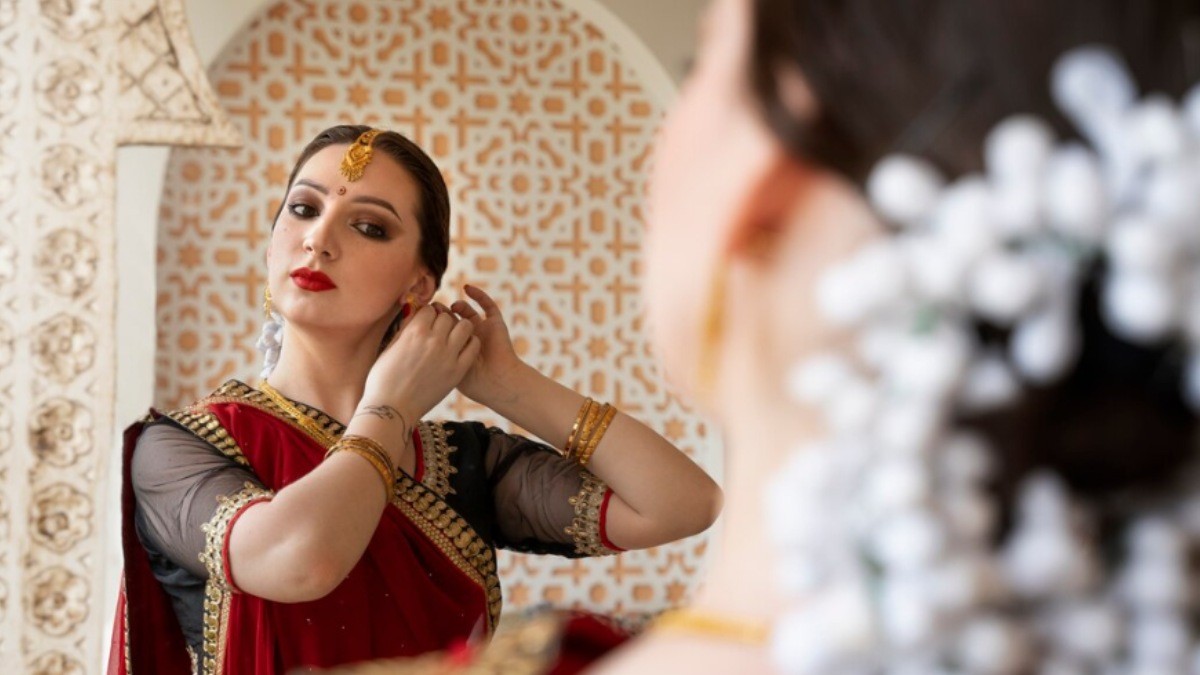
As much as modern brides have been experimenting with modern day style, they still have traditions to marry in the traditional ways that link their wedding day to generations of cultural history.
Bridal Makeup in Indian Traditions
Indian bridal makeup is often colourful, detailed and closely tied to regional customs. Given the community and region, brides may wear bold eye makeup, colourful eyeshadow, decorative bindis and traditional jewellery.
Related Articles


Henna, also known as mehndi, is another major part of many Indian wedding celebrations. These hands and feet are heavily decorated with intricate designs which are associated with beauty, celebration and auspicious occasions.
Different Indian communities also have their own bridal clothing, jewellery, hairstyles and makeup traditions so that Indian bridal beauty is extremely diverse.
Japanese Bridal Beauty
Japanese bridal styling has historically featured unique makeup and hairstyles. Brides in traditional Shinto weddings may wear elaborate dresses with a white kimono, also known as shiromuku.
Related Articles

Traditional bridal makeup can have a pale complexion and well-defined features. The style is closely related to the ceremonial dress and formal appearance of the wedding.
Chinese Bridal Makeup and Red
Red has long been associated with Chinese culture and is associated with happiness and good fortune. Traditional Chinese bridal styling might make use of red clothing, accessories and makeup.
Red lipstick and decorative hair ornaments and even elaborate hairstyles can be added to traditional wedding dresses. Today’s brides can combine these with modern makeup techniques.
Korean Bridal Traditions
Traditional Korean weddings include the hanbok, with bridal styling traditionally emphasizing elegance and carefully arranged hair and accessories.
Modern Korean brides often marry contemporary makeup with traditional elements. Soft complexions, clear eyes and understated colours can be paired with culturally relevant clothing and accessories.
Middle Eastern Bridal Beauty
Bridal makeup in Middle Eastern cultures can feature dramatic eyes, sharp brows and elaborate hairstyles. Kohl and other forms of eye makeup have a long history in the region.
The modern bridal look varies considerably based on country, community and personal taste. Some brides prefer very glamorous makeup while others prefer softer and more natural.
African Bridal Beauty Traditions
Africa has hundreds of cultures and traditions, and bridal beauty varies greatly across the continent. Makeup, hairstyles, body adornment, jewellery and textiles can all communicate cultural identity.
In some communities, traditional face markings, decorative hairstyles or unique accessories may be part of wedding celebrations. Modern African brides may combine traditional customs with modern beauty trends.
Western Bridal Makeup
Western bridal makeup has also evolved far more rapidly. Today’s brides are all about natural looking, neutral eyeshadows and subtle contouring, as well as glamorous or fashion-forward looks.
Social media is also driving brides to try makeup trends in their wedding and to personalize their wedding look.
Tradition Meets Modern Beauty
Today bridal makeup is becoming a more sophisticated expression of cultural heritage and individual expression. Brides may keep some of the traditional beauty elements while adopting colors, techniques or hairstyles that suit their preferences.
This balance allows wedding makeup to be both a celebration of heritage and an expression of personal style.
Beauty With Cultural Meaning
In the same way, bridal makeup shows how beauty can carry stories and traditions from one generation to another. The styles are very different across communities but the concept is the same; wedding beauty can be a great transition when it comes to identity, family and culture.
Old beauty traditions still have meaning in bridal fashion, and to the modern bride, what is more important is that they’re still very important to the whole family of brides today.




Comments 0