
Skin color is one of the most visible aspects of human diversity: the diversity of cultures, heritage and genetics across the world. From the fairest complexions to the deepest skin tones, every shade is an individual on its own. We’re now in a space of increasing diversity and inclusion conversations and are coming to the realization that beauty is not something to be defined in terms of one standard. Rather it needs to be the individualized, accepting differences and celebrating every skin tone with pride.
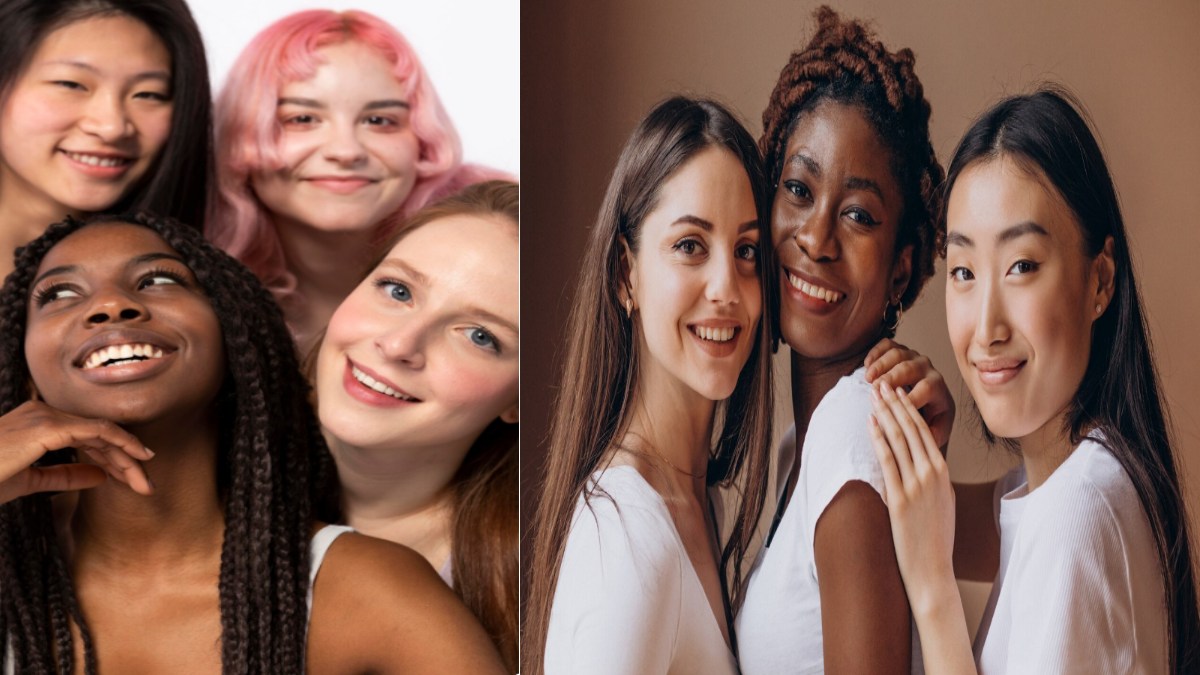
For generations, idealistic beauty standards have been promoted for one complexion over another and this has shaped fashion, media and advertising. But that narrative is changing. Inclusive campaigns, diverse representation, and increasing awareness are getting people to consider their natural appearance and their skin is what I see as healthy rather than what we are being told to see.
Understanding Skin Color
Human skin gets its color from a natural pigment called melanin, which is produced by specialized cells known as melanocytes. The amount and type of melanin vary from person to person due to genetics and ancestral adaptation to different levels of sunlight.
Related Articles
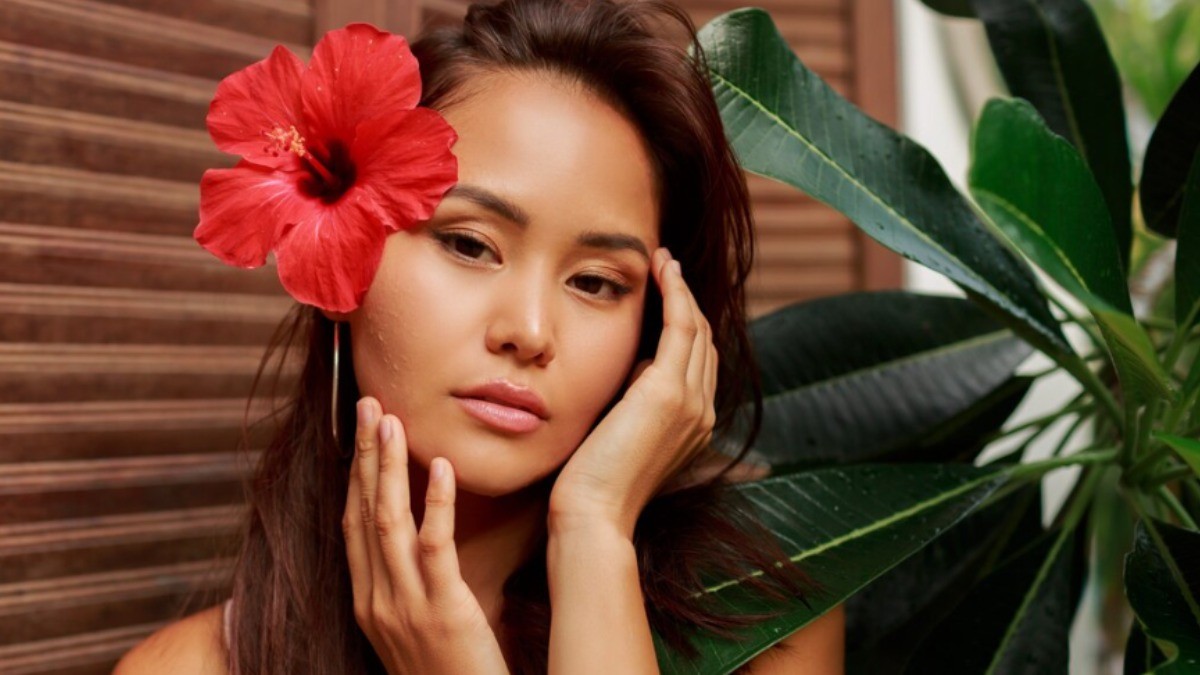

Melanin serves important biological functions, including:
- Helping protect the skin from ultraviolet (UV) radiation
- Contributing to the skin's natural defense against sun damage
- Influencing hair and eye color
Although individuals with darker skin generally have more melanin, everyone can experience sun damage. This is why daily sun protection is recommended regardless of skin tone.
Every Skin Tone Is Beautiful
Beauty exists in every shade. Whether someone has fair, olive, tan, brown, or deep skin, each complexion has unique qualities and deserves appreciation.
Related Articles
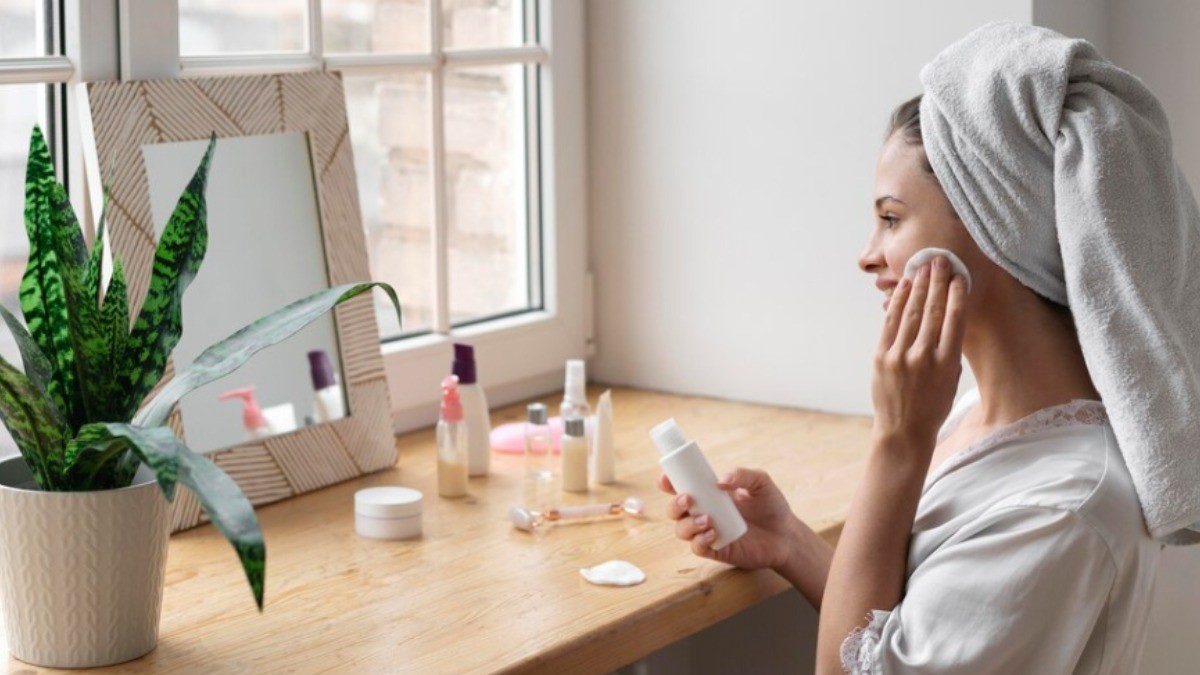

Instead of comparing ourselves with others, it's healthier to focus on:
- Maintaining healthy skin
- Building self-confidence
- Appreciating natural features
- Practicing self-care
Confidence and authenticity often leave a stronger impression than any cosmetic product.
Breaking Beauty Stereotypes
For many years, society promoted limited beauty ideals that excluded many skin tones. This led to harmful myths and unrealistic expectations.
Some common misconceptions include:
Myth: Fair skin is more attractive
Beauty is subjective and influenced by culture, personality, confidence, and individual preferences. No single skin tone is inherently more beautiful than another.
Myth: Dark skin doesn't need sunscreen
While higher melanin levels provide some natural UV protection, darker skin can still experience sunburn, pigmentation changes, and skin cancer. Dermatologists recommend broad-spectrum sunscreen for all skin tones.
Myth: Skin tone determines health
Skin color is not an indicator of overall health. Healthy skin depends on proper care, nutrition, hydration, and lifestyle habits—not complexion.
Inclusive Beauty Is Transforming the Industry
The beauty industry has made significant progress toward inclusivity. Many cosmetic brands now offer:
- Expanded foundation shade ranges
- Products designed for diverse undertones
- Campaigns featuring models of different ethnicities, ages, and skin tones
- Marketing that celebrates individuality rather than promoting one ideal of beauty
Consumers are increasingly supporting brands that value diversity and authentic representation.
Caring for Every Skin Tone
Healthy skincare is essential regardless of complexion. While specific concerns may differ, the fundamentals remain the same.
Cleanse Gently
Wash your face twice daily with a cleanser suited to your skin type to remove dirt, excess oil, and impurities.
Moisturize Daily
Keeping the skin hydrated helps maintain its protective barrier and promotes a smoother appearance.
Wear Sunscreen
Use a broad-spectrum sunscreen with SPF 30 or higher every day, even when it's cloudy. This helps protect against UV damage and supports long-term skin health.
Eat a Nutrient-Rich Diet
Foods rich in vitamins, antioxidants, healthy fats, and protein help support healthy skin from within.
Stay Hydrated
Drinking enough water contributes to overall health and supports the skin's natural functions.
Teaching Children to Appreciate Diversity
Positive attitudes toward skin color begin early in life. Parents, teachers, and caregivers can help children develop healthy self-esteem by:
- Celebrating diversity in books, toys, and media
- Encouraging kindness and respect for everyone
- Avoiding negative comments about skin color
- Teaching that differences make people unique
These lessons help foster confidence and reduce prejudice.
The Role of Social Media
Social media has the power to influence beauty standards in both positive and negative ways.
While filters and edited images can create unrealistic expectations, many creators and advocates now use their platforms to promote:
- Skin positivity
- Body confidence
- Authentic beauty
- Diversity and inclusion
- Mental well-being
Following accounts that celebrate real, unfiltered beauty can encourage a healthier perspective.
Confidence Is the True Glow
The most memorable beauty often comes from confidence, compassion, and authenticity. Taking care of your skin, embracing your natural complexion, and appreciating your individuality can help build lasting self-esteem.
Rather than striving to meet temporary trends, focus on habits that promote long-term well-being. Healthy skin and self-confidence go hand in hand, regardless of complexion.
Moving Toward a More Inclusive Future
As awareness continues to grow, society is becoming more accepting of diverse beauty. Fashion, entertainment, and skincare industries are increasingly recognizing that representation matters. Celebrating different skin tones not only empowers individuals but also encourages respect, equality, and inclusion across communities.
By valuing diversity, we create a world where everyone feels seen, appreciated, and confident in their own skin.
Celebrating diversity through skin color is about recognizing that every complexion is naturally beautiful and worthy of respect. Skin color reflects the incredible diversity of humanity, shaped by genetics, heritage, and environment. Instead of chasing unrealistic beauty standards, we can embrace our natural features, practice healthy skincare, and build confidence from within.




Comments 0