
Dandruff is one of the most common scalp conditions and can affect people of different ages. It usually appears as white or yellowish flakes on the scalp and hair and may be accompanied by itching, dryness or irritation. Although dandruff is generally not dangerous or contagious, persistent flaking can be uncomfortable and may affect a person's confidence.
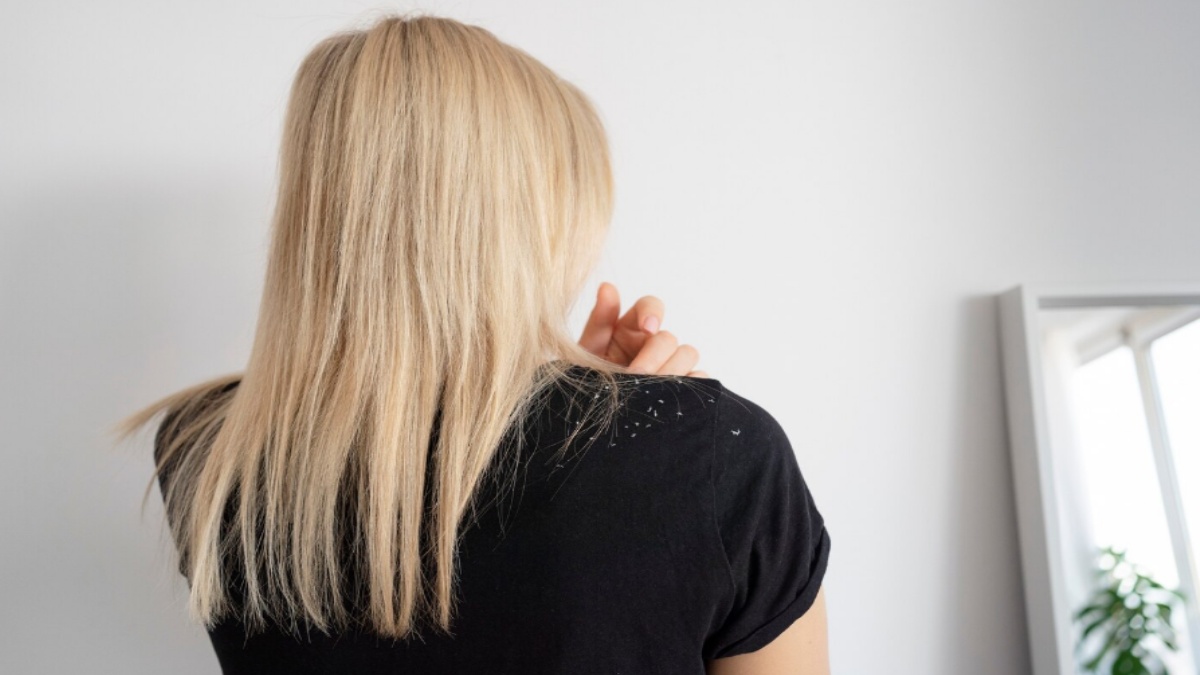
Dandruff is not always simply a sign of poor hygiene. Several factors can contribute to excessive scalp flaking, including oil production, skin-cell turnover, sensitivity to certain hair products and a yeast-like fungus called Malassezia, which naturally lives on the skin.
Understanding the underlying cause can help determine the most appropriate treatment.
Related Articles


Common Causes of Dandruff
1. Seborrheic Dermatitis
Seborrheic dermatitis is a common skin condition that can cause dandruff-like flakes, redness and irritation. It often affects areas of the body with more oil-producing glands, including the scalp, eyebrows, ears and sides of the nose.
People with seborrheic dermatitis may notice greasy or yellowish scales rather than only dry white flakes.
2. Malassezia
Malassezia is a microorganism naturally found on the scalp. In some people, it can contribute to irritation and increased skin-cell shedding. This may result in visible flakes and itching.
Related Articles
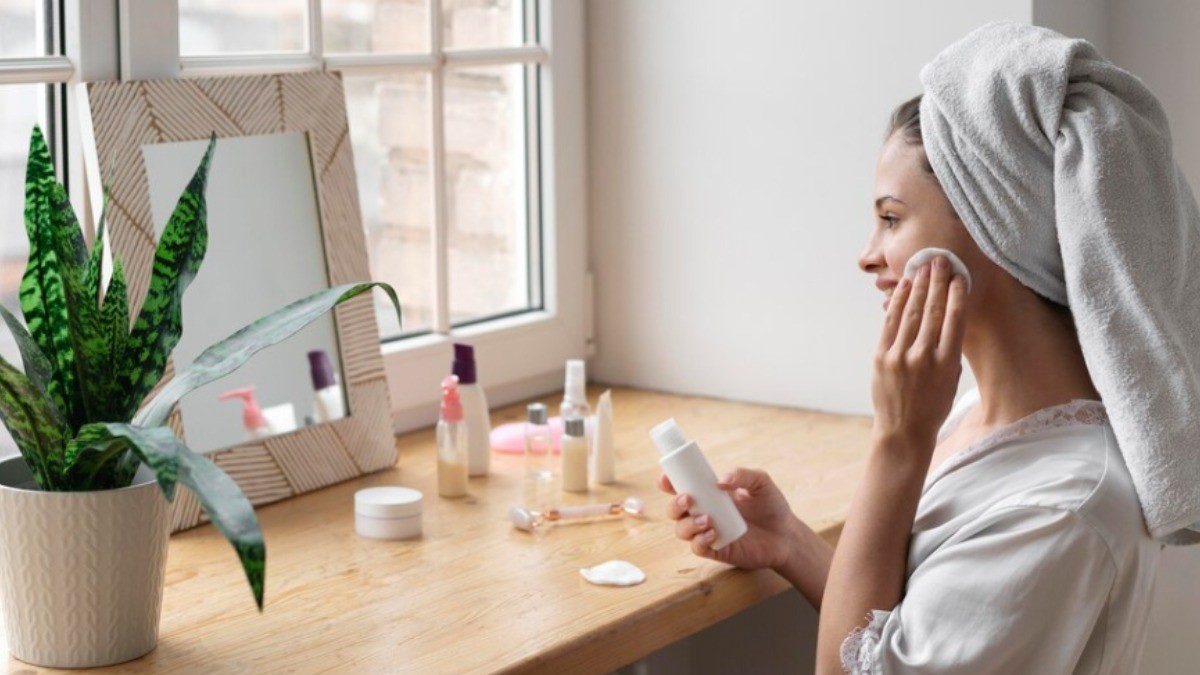
Anti-dandruff shampoos containing ingredients that help control this microorganism can be useful for some people.
3. Dry Scalp
A dry scalp can cause small, white flakes and may become worse during cold or dry weather. However, dry scalp and dandruff are not exactly the same condition. Dandruff is often associated with oilier scalp skin, while a genuinely dry scalp may feel tight or uncomfortable.
4. Hair Products
Certain shampoos, conditioners, styling products, hair dyes or fragrances can irritate the scalp. In some individuals, product buildup or sensitivity may contribute to itching and flaking.
5. Infrequent Hair Washing
For some people, not washing the scalp regularly can allow oil, dead skin cells and product residue to accumulate. This may make visible flakes more noticeable. However, washing frequency should be appropriate for the person's scalp and hair type.
Symptoms to Watch For
The most noticeable symptom of dandruff is flaking. Other symptoms can include:
- Itchy scalp
- Mild scalp irritation
- Dry or oily-looking flakes
- Redness in some cases
- Flakes visible on dark clothing
- Greasy or scaly patches when seborrheic dermatitis is involved
If the scalp becomes very inflamed, painful, swollen or develops sores, it may indicate a condition other than ordinary dandruff.
Dandruff Treatment Options
Use an Anti-Dandruff Shampoo
One of the most common treatments is an anti-dandruff shampoo. Depending on the formulation, these products may contain active ingredients such as ketoconazole, selenium sulfide, zinc pyrithione, salicylic acid or coal tar.
Different ingredients work in different ways. Some help control microorganisms, while others reduce scaling or loosen accumulated flakes.
Follow the product directions carefully. Some medicated shampoos need to remain on the scalp for several minutes before rinsing.
Wash the Scalp Regularly
Keeping the scalp clean can help control oil and product buildup. People with oily scalps may need more frequent washing, while those with dry or sensitive scalps may prefer a gentler routine.
Avoid aggressively scratching or scrubbing the scalp because this can increase irritation.
Choose Gentle Hair Products
If a particular hair product seems to trigger itching or flaking, consider stopping it temporarily. Fragrance-free or gentle products may be preferable for people with sensitive scalps.
Avoid Very Hot Water
Hot water can remove natural oils from the skin and potentially worsen dryness and irritation. Lukewarm water is generally a better choice for washing the scalp.
Manage Stress
Stress does not necessarily cause dandruff directly, but it may worsen some inflammatory skin conditions. Adequate sleep, regular physical activity, relaxation techniques and a balanced routine can support overall skin health.
Can Dandruff Be Prevented
Dandruff may not always be completely preventable, particularly when it is related to conditions such as seborrheic dermatitis. However, a consistent scalp-care routine can help reduce flare-ups.
Regular washing appropriate to your scalp type, avoiding irritating products, using anti-dandruff shampoo when needed and resisting the urge to scratch can all help.
It is also important to maintain a balanced diet and adequate hydration as part of general health, although dietary changes alone are not a guaranteed treatment for dandruff.
When Should You See a Dermatologist
If dandruff does not improve after several weeks of appropriate over-the-counter treatment, consulting a dermatologist can be helpful. Professional evaluation is especially important if there is significant redness, swelling, pain, thick scaling, bleeding, hair loss or spreading rash.
Several scalp conditions can resemble dandruff, including psoriasis, eczema, fungal infections and contact dermatitis. The correct diagnosis is important because these conditions may require different treatments.
Dandruff is common, manageable and usually not a serious health problem. The key is identifying what may be triggering the flaking and choosing a scalp-care routine that suits your needs. Anti-dandruff shampoos containing proven active ingredients can be effective for many people, while gentle washing and avoiding irritating products can further support scalp health.
If symptoms are severe, persistent or accompanied by inflammation or hair loss, professional medical advice is the safest approach. With consistent care and the right treatment, most people can significantly reduce dandruff and maintain a healthier, more comfortable scalp.




Comments 0