
Blush can completely transform a makeup look. A small amount of colour on the cheeks can make the complexion appear fresher, more youthful and naturally radiant. However, where and how you apply blush can make a significant difference to the final result.
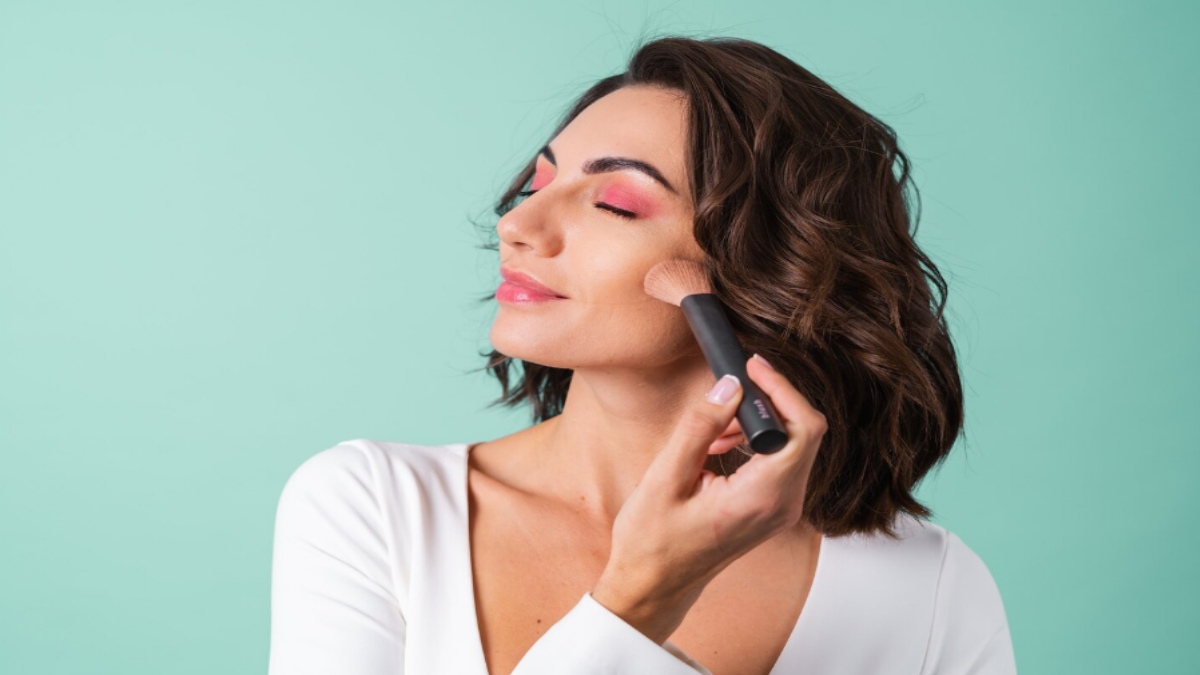
There is no single correct way to wear blush. Depending on your face shape, makeup style and the effect you want, blush can be placed high on the cheekbones, across the apples of the cheeks, toward the temples or even across the nose. Cream, liquid and powder formulas also offer different finishes and levels of intensity.
Here are 10 different ways to apply blush that you can try the next time you do your makeup.
Related Articles

1. Classic Apple-of-the-Cheeks Blush
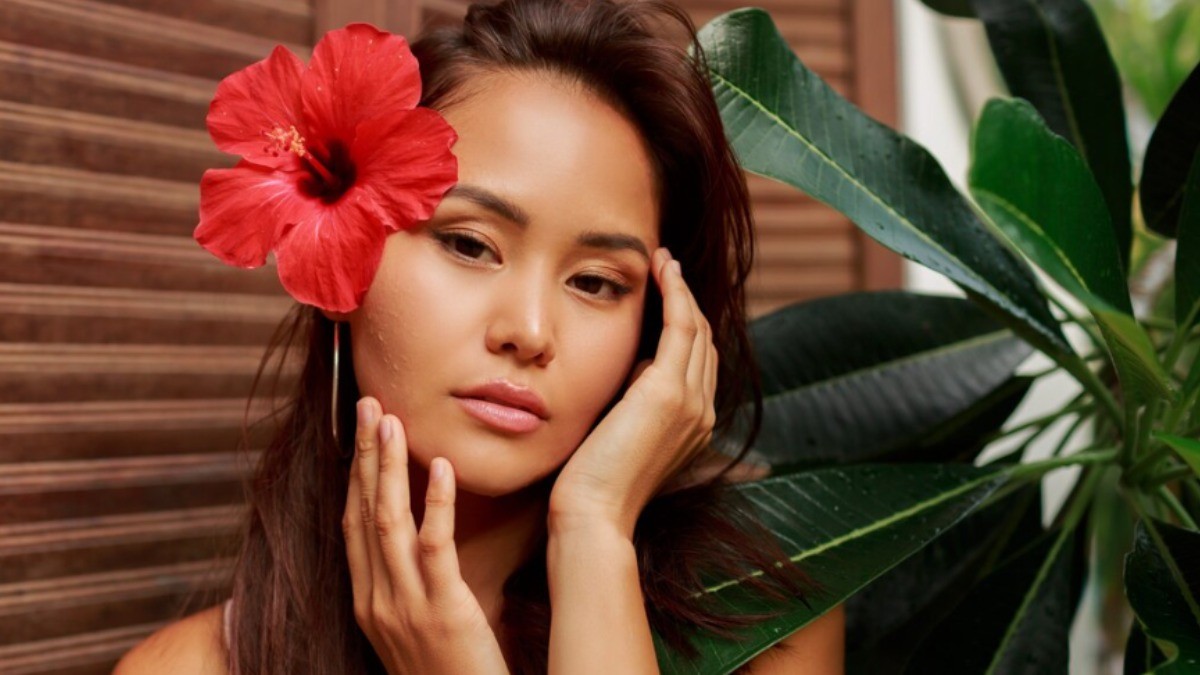
For a traditional, youthful appearance, apply blush directly to the apples of your cheeks. Smile gently to identify the fullest part of the cheeks, then blend the colour outward.
This technique creates a soft flush that can work particularly well with fresh, natural makeup. Avoid applying too much product at once. Start with a small amount and gradually build the intensity.
2. High and Lifted Blush
For a more lifted appearance, place blush higher on the cheekbones rather than directly on the apples.
Related Articles
Apply the product toward the upper portion of the cheeks and blend it slightly upward toward the temples. This creates a seamless transition between blush and the rest of the complexion.
This placement works beautifully with modern makeup styles that emphasise a sculpted, lifted finish.
3. Draping Technique
Blush draping involves using blush almost like a contouring product. The colour is swept from the cheeks toward the temples, following the natural structure of the face.
A soft, buildable blush is ideal for this technique. Start near the cheekbone and blend outward. Using a slightly deeper blush shade can create more definition, while softer colours produce a subtle effect.
4. Sun-Kissed Blush
For a fresh, outdoorsy look, apply a small amount of blush across the cheeks and lightly over the bridge of the nose.
Choose warm peach, coral, terracotta or rosy shades depending on your complexion. The goal is to mimic the appearance of natural warmth rather than create a sharply defined stripe of colour.
Keep the application light and well blended for a believable finish.
5. Doll-Like Blush
If you love a cute, youthful makeup style, try concentrating blush on the centre of the cheeks.
A soft pink, rosy or berry shade can create a noticeable flush. Apply a small amount to the apples of the cheeks and blend the edges without moving the colour too far toward the temples.
This technique pairs well with soft eye makeup, curled lashes and a glossy lip.
6. Underpainting Blush
Underpainting involves applying blush before foundation or complexion products. Use a cream or liquid blush on the cheeks, blend it thoroughly and then apply a light layer of foundation over it.
The foundation softens the intensity of the blush while allowing a hint of colour to show through. The result can look more diffused and natural.
This technique is particularly useful if you prefer a soft, seamless flush rather than highly visible blush.
7. Monochromatic Blush Look
A monochromatic makeup look uses similar tones across the cheeks, eyes and lips.
For example, a peach blush can be paired with peach-toned eyeshadow and a warm peachy lip. Alternatively, rosy blush can be combined with mauve eyeshadow and a matching lip colour.
This creates a coordinated appearance without requiring complicated makeup techniques.
8. Sculpted Blush and Contour Combination
Blush does not have to replace contour or bronzer. The three products can work together.
Apply contour or bronzer slightly beneath the cheekbone, then place blush above it and blend the two shades where they meet. A small amount of highlighter can be added to the highest point of the cheekbone.
The key is blending. Harsh lines can make the complexion appear heavy, while gradual transitions create a polished finish.
9. Blush Across the Nose
For a playful, youthful appearance, lightly sweep blush across the cheeks and bridge of the nose.
This technique works particularly well with peach, coral and pink shades. Keep the colour subtle and build gradually.
You can also use this approach to create a sun-kissed makeup effect, especially when combined with a touch of bronzer.
10. Draped and Diffused Blush for Evening Glam
For a more dramatic evening look, blush can be extended from the cheekbones toward the temples and blended into the surrounding complexion.
A richer rose, berry, mauve or terracotta shade can add depth to the makeup. Pairing this placement with defined eyes and a complementary lip can create a sophisticated party-ready appearance.
Use a light hand at first because deeper blush shades can become intense quickly.
Choosing the Right Blush Formula
The formula you choose can influence both application and finish.
Cream blush: Cream formulas are often easy to blend and can create a natural, skin-like finish. They work particularly well for fresh or dewy makeup looks.
Liquid blush: Liquid formulas can be highly pigmented, so begin with a very small amount. They can provide a beautiful radiant finish when blended properly.
Powder blush: Powder blush is convenient for building colour and can be especially useful for people who prefer a matte or satin finish. It can also be layered over cream blush for greater longevity.
Consider Your Face Shape
Blush placement can be adjusted according to your face shape, although makeup has no strict rules.
For a rounder face, applying blush slightly higher and outward can create a more lifted appearance. For a longer face, placing colour more horizontally across the cheeks can help visually balance the proportions.
People with oval, square or heart-shaped faces can experiment with different placements to discover what complements their features.
The Most Important Blush Rule
Regardless of the technique you choose, blending is essential. Blush should transition naturally into the rest of your makeup rather than appearing as a distinct patch of colour.
Start with less product and gradually build it. It is much easier to add blush than to remove excessive pigment.
Ultimately, the best blush placement is the one that makes you feel confident. Whether you prefer a subtle flush, sculpted cheekbones, sun-kissed warmth or bold editorial colour, experimenting with different techniques can help you discover a signature look that suits your style.




Comments 0