
The idea of “glass skin” has become one of the biggest beauty trends of recent years. The term describes skin that appears exceptionally smooth, clear, hydrated and reflective, almost like glass. Social media has made this ultra-dewy complexion highly desirable, with elaborate skincare routines and carefully layered products often presented as the path to achieving it.

But there is an important distinction between skin that looks glossy and skin that is genuinely healthy. Healthy skin does not have to be poreless, perfectly smooth or constantly glowing. It can have pores, fine lines, pigmentation, blemishes, scars and changes in texture while still being well cared for.
Understanding this difference can make skincare more realistic, affordable and beneficial.
Related Articles
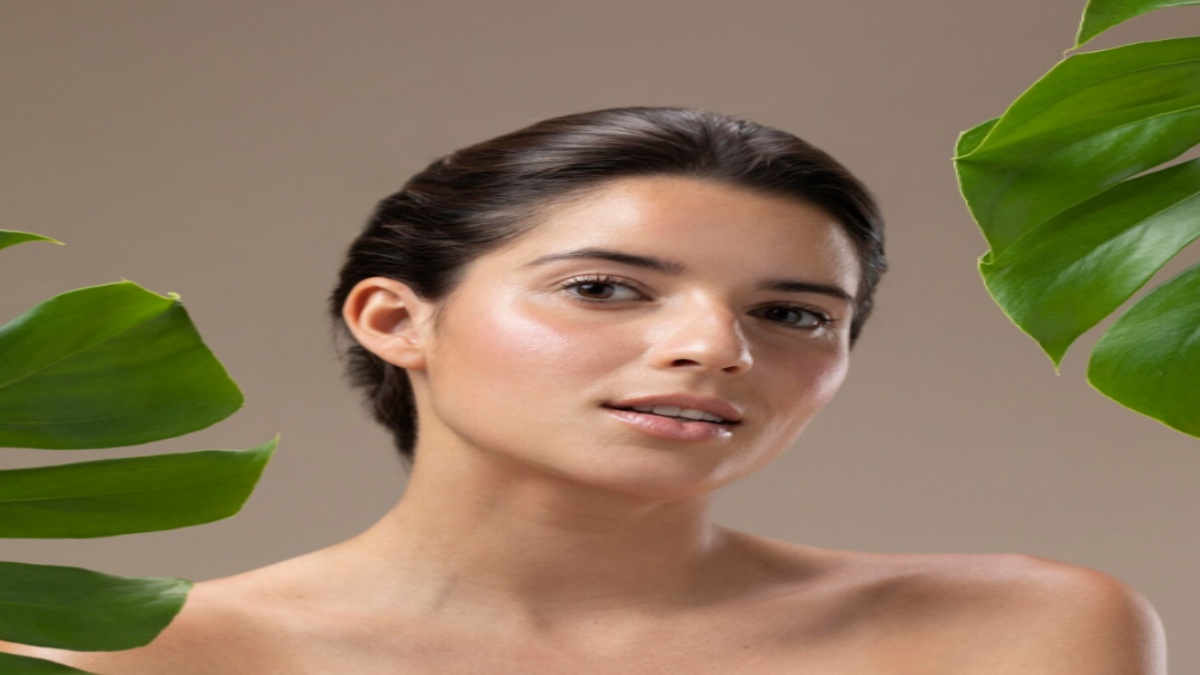

What Is Glass Skin
“Glass skin” is primarily an aesthetic description. It refers to a complexion that looks exceptionally hydrated, smooth, luminous and even-toned.
The appearance can be influenced by skincare, makeup, lighting, genetics and temporary hydration levels. Products such as moisturisers, hydrating serums, facial oils and illuminating cosmetics can create a glossy finish.
However, achieving a glass-like appearance is not necessarily a sign that the skin is healthier than someone else's skin. A shiny complexion can simply mean that the skin's surface contains more moisture or emollient products.
Related Articles

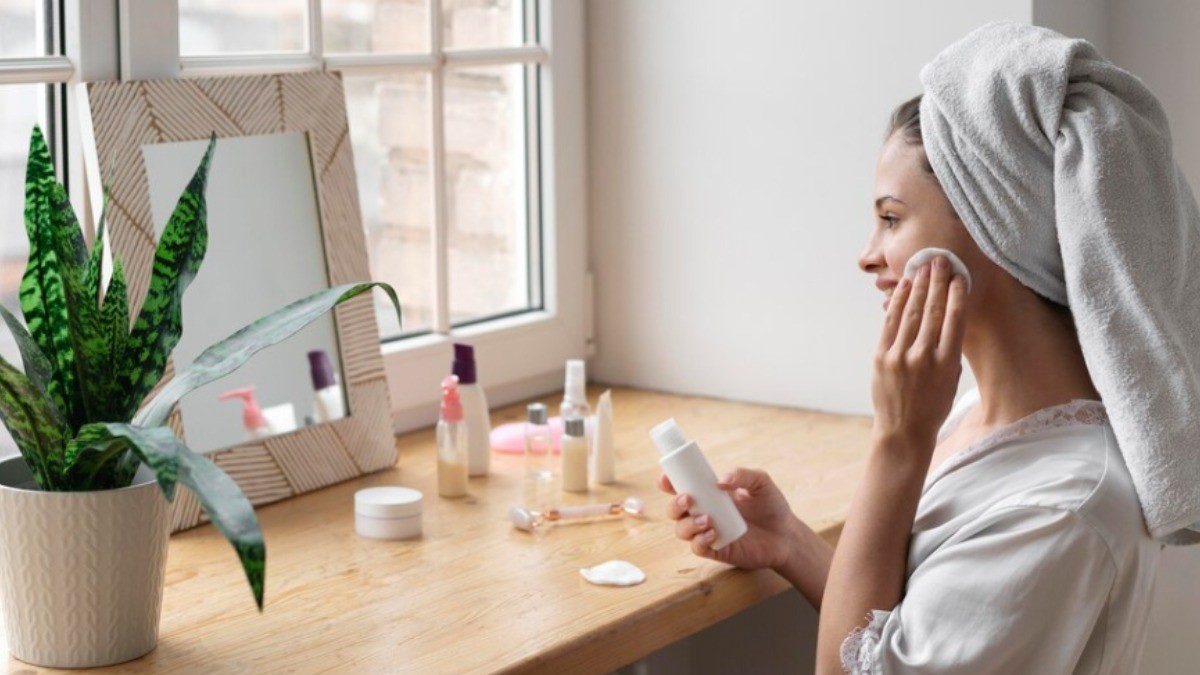
What Does Healthy Skin Actually Look Like
Healthy skin does not have one universal appearance. It can look different depending on age, genetics, skin tone, climate and individual skin characteristics.
Instead of focusing entirely on shine, look for signs such as:
- Skin that generally feels comfortable rather than constantly tight or irritated
- A reasonably intact skin barrier
- Adequate hydration
- Limited persistent inflammation
- No frequent painful irritation from skincare products
- Skin that recovers reasonably well from minor environmental stress
- A routine that supports rather than repeatedly disrupts the skin barrier
Healthy skin may still have visible pores and natural texture. It may become oilier during hot weather or drier during colder months. It can also experience occasional breakouts.
These characteristics do not automatically mean that something is wrong.
The Myth of Poreless Skin
One of the biggest misconceptions surrounding glass skin is the idea that healthy skin should have invisible pores.
Pores are normal structures in human skin. Their visibility can vary depending on genetics, oil production, age and other factors. Skincare can sometimes improve the appearance of pores, but it cannot permanently erase them.
Trying to achieve completely poreless skin may encourage excessive exfoliation or the use of too many active ingredients. This can lead to irritation and compromise the skin barrier.
More Products Do Not Always Mean Better Skin
Another common misconception is that a complicated skincare routine is necessary for glowing skin.
Layering numerous toners, essences, serums, exfoliants and masks may be appealing, but more products do not automatically produce healthier skin. Using too many active ingredients can cause dryness, sensitivity, redness or irritation.
A simpler routine can be highly effective. For many people, the essentials include a gentle cleanser when needed, a suitable moisturiser and daily broad-spectrum sunscreen.
Additional products can be introduced based on specific skin concerns and individual tolerance.
Hydration and Oiliness Are Not the Same
Glass skin is often associated with a glossy appearance, but shiny skin is not necessarily well hydrated.
Oily skin can look shiny because of increased sebum production, while dehydrated skin may still produce oil. Hydration refers largely to the skin's water content, whereas oils and lipids contribute to the skin's protective barrier.
Choosing products according to your skin's needs is therefore more useful than simply trying to make it look shinier.
Healthy Skin Includes Texture
Real skin has texture. Tiny bumps, pores, fine lines and variations in tone are normal.
Filters and highly edited photographs can create unrealistic expectations by making skin appear unusually smooth. Even photographs labelled as “natural” may involve flattering lighting, makeup, camera processing or digital editing.
Comparing your skin with highly curated images can make normal features seem like flaws.
Instead, consider whether your skin feels comfortable, functions well and responds positively to your routine.
Sunscreen Matters More Than Chasing Glow
If glowing, healthy-looking skin is your goal, sun protection should be a priority.
Regular use of broad-spectrum sunscreen can help protect against ultraviolet radiation, which contributes to premature skin ageing and pigmentation and can increase the risk of skin cancer.
Rather than constantly adding products to create a temporary glow, consistent sun protection is one of the most valuable long-term skincare habits.
Build a Routine Around Skin Health
A healthy skincare routine should be sustainable. Start by identifying your skin's needs rather than following every trend.
Cleanse gently, moisturise appropriately and use sunscreen during the day. If you want to address concerns such as acne, uneven pigmentation or signs of ageing, consider introducing suitable ingredients gradually.
Avoid repeatedly changing your entire routine whenever a new beauty trend becomes popular. Give products enough time to work and stop using products that cause persistent burning, significant redness or worsening irritation.
If you have ongoing skin concerns, a dermatologist can help determine the cause and recommend evidence-based treatment.
The Glow Should Be a Bonus, Not the Goal
There is nothing wrong with enjoying the glass-skin aesthetic. Dewy makeup, hydrating products and luminous finishes can be fun ways to express personal style.
The problem begins when a temporary beauty trend becomes the definition of “good skin.”
Healthy skin is not required to look like glass. It does not need to be perfectly clear, poreless or reflective. It needs appropriate care, protection and a functioning barrier.
Ultimately, the healthiest approach to skincare is to focus on comfort, resilience and long-term skin health rather than perfection. A natural glow can be beautiful, but healthy skin comes in many different forms and real skin is allowed to look like skin.




Comments 0