
Glass skin has become one of the most popular beauty trends in recent years. The term refers to a complexion that looks exceptionally smooth, hydrated, clear and luminous, almost as though the skin has a glass-like appearance. While the trend is strongly associated with Korean beauty routines, the basic principles behind it hydration, gentle cleansing, moisturising and sun protection can benefit almost every skin type.
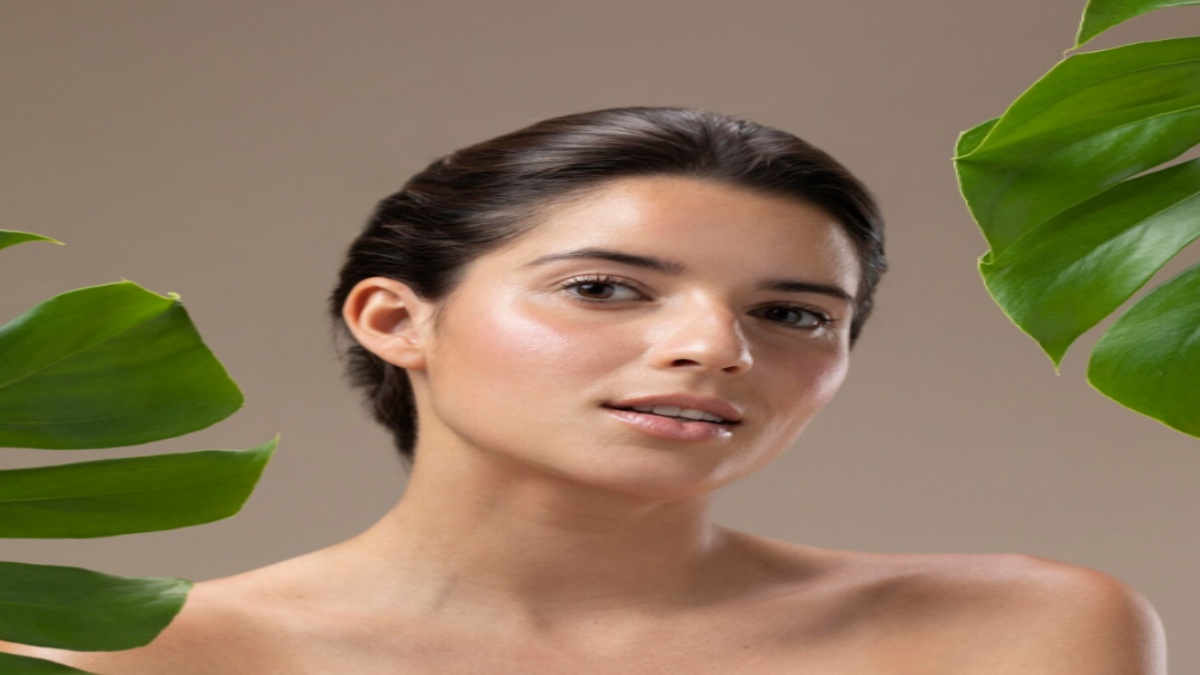
However, achieving healthy-looking skin does not mean having completely poreless or flawless skin. Real skin naturally has pores, texture, fine lines and occasional blemishes. Instead of chasing perfection, the goal of a glass-skin routine should be to support the skin barrier and create a healthy, hydrated glow.
What Exactly Is Glass Skin
Glass skin is not a medical term or a specific skin condition. It is a beauty description used for skin that appears exceptionally dewy, plump, smooth and radiant.
Related Articles


The look is usually created by maintaining good hydration and using skincare products that support the skin barrier. Consistency is generally more important than having a large collection of products.
Step 1: Start With a Gentle Cleanser
Cleansing removes sweat, excess oil, makeup, sunscreen and environmental impurities. Choose a gentle cleanser that suits your skin type and avoid products that leave the face feeling excessively tight or dry.
Over-cleansing or using harsh products can disrupt the skin barrier, making the skin feel irritated and dehydrated. If your skin is dry or sensitive, a mild, fragrance-free cleanser may be preferable.
Related Articles


Step 2: Prioritise Hydration
Hydration is one of the biggest foundations of the glass-skin appearance. Ingredients such as glycerin and hyaluronic acid can help attract and retain water in the skin.
A lightweight hydrating toner or essence can be incorporated if you enjoy using one, but it is not essential. The important part is choosing products that leave your skin comfortable rather than overloaded.
Step 3: Add a Suitable Serum
A serum can target specific concerns while complementing your hydration routine. For example, niacinamide may help support the skin barrier and improve the appearance of uneven tone, while vitamin C is commonly used in routines focused on brightness and antioxidant protection.
Introduce one active product at a time, particularly if you have sensitive skin. Using too many active ingredients simultaneously can cause irritation and make your complexion appear red or inflamed instead of radiant.
Step 4: Never Skip Moisturiser
Moisturiser helps reduce water loss and supports the skin barrier. Even oily or acne-prone skin can benefit from moisturisation; the key is selecting a suitable formula.
Gel moisturisers may feel comfortable for oily skin, while creamier products can be useful for dry skin. If your skin becomes tight, flaky or uncomfortable after applying products, your routine may need more barrier-supportive hydration.
Step 5: Make Sunscreen a Daily Habit
No glass-skin routine is complete without sun protection. Regular exposure to ultraviolet radiation can contribute to premature skin ageing, pigmentation and other forms of skin damage.
Use a broad-spectrum sunscreen with an appropriate SPF every day, including on days when you spend limited time outdoors. Reapply as recommended, particularly during prolonged outdoor exposure, sweating or swimming.
Step 6: Exfoliate Carefully
Exfoliation can help remove excess dead skin cells and improve the appearance of skin texture. However, more exfoliation does not necessarily mean better skin.
Over-exfoliating can damage the skin barrier and cause dryness, sensitivity or irritation. If you choose a chemical exfoliant containing ingredients such as alpha hydroxy acids or beta hydroxy acids, start slowly and follow the product instructions.
Lifestyle Habits Matter Too
Skincare products are only one part of achieving a healthy-looking complexion. Adequate sleep, a balanced diet, regular physical activity and sufficient fluid intake all support general wellbeing, which can also affect how your skin looks and feels.
Avoid smoking and protect your skin from excessive sun exposure. Stress management may also be helpful because prolonged stress can affect some people's skin conditions.
Can Everyone Achieve Glass Skin
Everyone's skin is different, so results will vary. Genetics, age, hormones, skin type and existing conditions all influence the appearance of the skin.
Instead of aiming for perfectly poreless skin, focus on improving hydration, maintaining a healthy skin barrier and protecting your complexion from environmental damage. If you have persistent acne, severe sensitivity, unexplained rashes or pigmentation concerns, a dermatologist can help create a routine suited to your needs.
Ultimately, glass skin is less about achieving an unrealistic beauty standard and more about building consistent habits that help your natural skin look healthy, hydrated and radiant. A simple routine followed regularly can often be more effective than constantly switching between new products and trends.




Comments 0