
Healthy, strong and lustrous hair is often associated with good nutrition and a consistent hair-care routine. While hair growth is influenced by genetics, age, hormones, nutrition and overall health, certain herbs have traditionally been used to support scalp and hair health. Several of these ingredients are popular in Ayurvedic and traditional hair-care practices and are now commonly found in oils, shampoos, masks and other formulations.
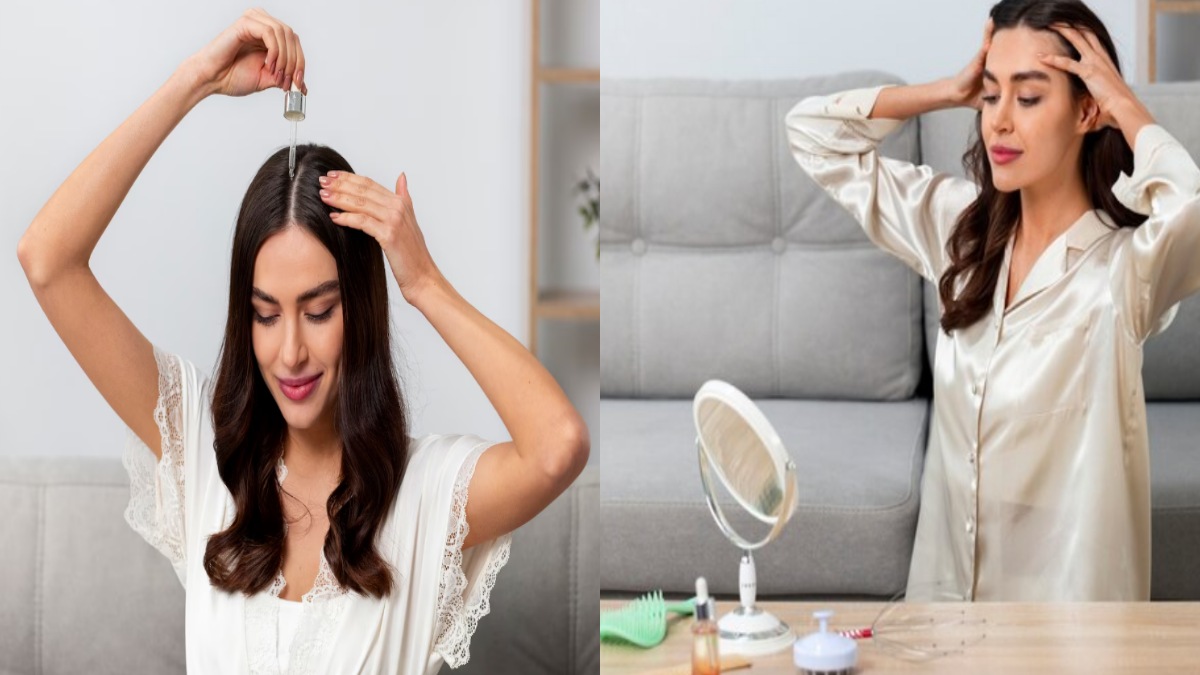
However, it is important to understand that herbs are not a guaranteed treatment for hair loss. Evidence for some herbal ingredients is still developing, and persistent or sudden hair loss can sometimes indicate an underlying medical condition. With that in mind, here are some herbs that may complement a healthy hair-care routine.
Amla
Amla, also known as Indian gooseberry, is one of the most popular Ayurvedic ingredients used for hair care. It contains vitamin C and various plant compounds with antioxidant properties. Traditionally, amla has been used to nourish the scalp and help maintain the appearance and strength of hair.
Related Articles
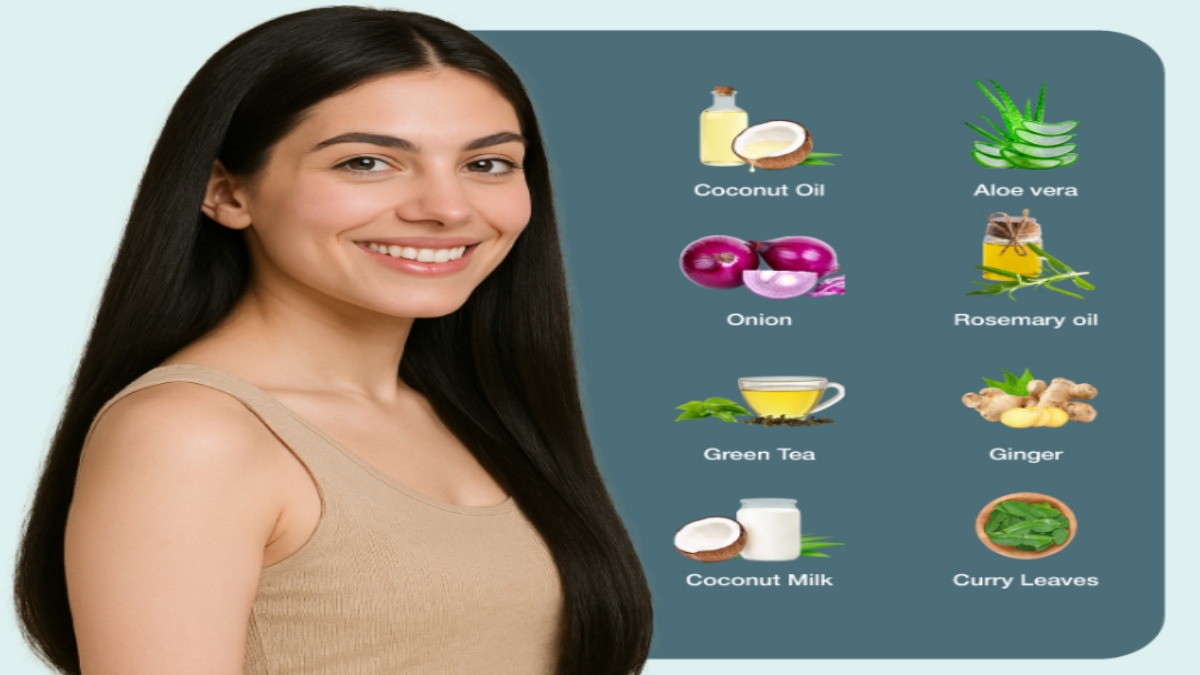
Amla can be incorporated into hair oils, masks or commercially prepared hair-care products. Some people also consume amla as part of their diet, although eating it does not specifically guarantee faster hair growth.
Bhringraj
Bhringraj is another well-known Ayurvedic herb traditionally associated with hair and scalp care. It is commonly included in herbal hair oils and preparations intended to support stronger-looking hair.
Although bhringraj has a long history of traditional use, more high-quality human research is needed to establish how effective it is specifically for treating hair loss or stimulating new hair growth.
Related Articles

Rosemary
Rosemary has attracted considerable interest as a botanical ingredient for scalp care. Rosemary oil is commonly diluted and massaged onto the scalp. Some research has explored rosemary preparations in relation to hair growth, although the available evidence is not sufficient to consider it a universal treatment for hair loss.
If using rosemary essential oil, it should not be applied directly to the scalp in concentrated form. It should be appropriately diluted in a carrier oil or used in a formulated product to reduce the risk of irritation.
Fenugreek
Fenugreek seeds are traditionally used in South Asian hair-care practices. They contain plant compounds and are often prepared as a paste or incorporated into hair masks.
Fenugreek may help condition the hair and improve its overall feel, while its traditional use also includes supporting scalp health. However, stronger clinical evidence is required before it can be considered a proven hair-growth treatment.
Hibiscus
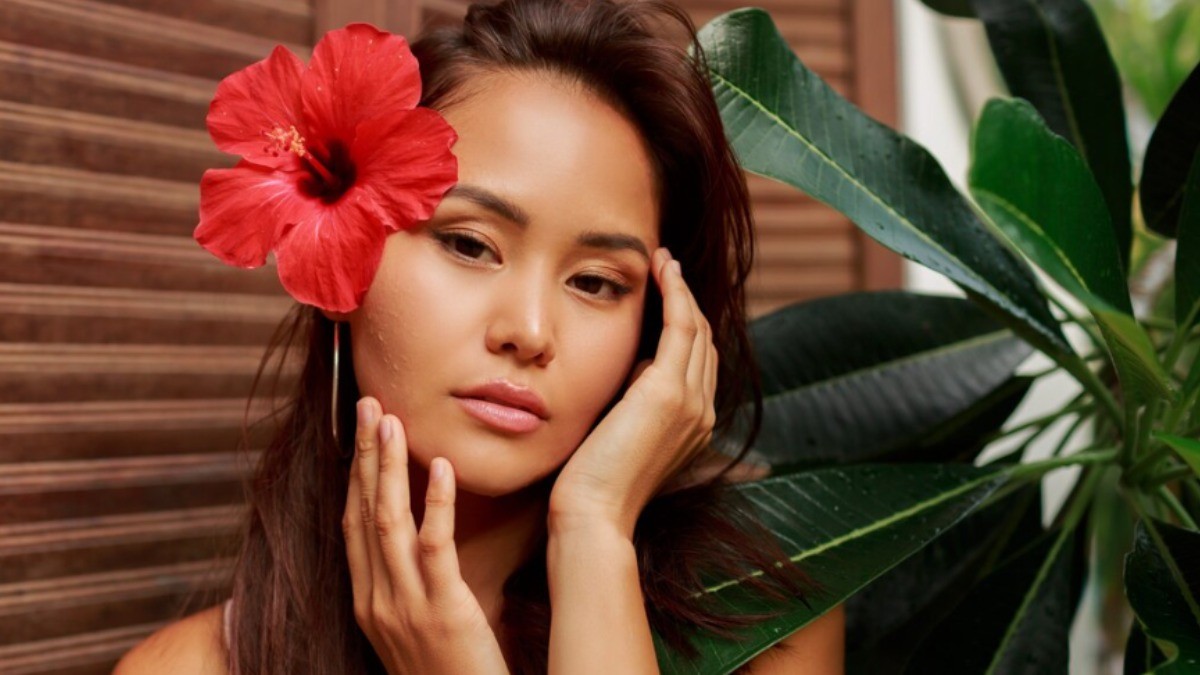
Hibiscus flowers and leaves have long been used in traditional Indian hair-care routines. Hibiscus-based pastes and hair oils are popular among people looking for natural ways to condition their hair.
Its use is primarily supported by traditional practice rather than strong clinical evidence. Nevertheless, it can be included as part of a gentle hair-care routine if it suits your scalp.
Neem
Neem is widely recognized for its traditional use in skin and scalp care. Its plant compounds have been studied for antimicrobial and anti-inflammatory properties. Maintaining a clean and healthy scalp can be important for overall hair health, particularly when irritation or scalp problems are present.
Neem should not be considered a direct cure for hair loss, and concentrated preparations may irritate sensitive skin.
How to Use Herbs Safely
Natural does not automatically mean risk-free. Before applying a new herbal preparation to your scalp, perform a small patch test. Essential oils should always be diluted appropriately, and products should be discontinued if they cause burning, itching, redness or swelling.
It is also important to avoid relying exclusively on topical herbs when experiencing significant hair shedding. Adequate protein, iron, zinc and other nutrients are important for normal hair growth, although supplements should not be taken unnecessarily without identifying a deficiency.
Other Factors That Matter for Hair Growth
Herbal hair care works best as part of an overall healthy routine. Eat a balanced diet containing sufficient protein, vegetables, fruits, whole grains and healthy fats. Handle wet hair gently, avoid excessive heat styling and limit hairstyles that continuously pull on the roots.
Stress, hormonal changes, thyroid disorders, nutritional deficiencies, certain medications and scalp conditions can all contribute to hair loss. If shedding is sudden, severe, patchy or persistent, consulting a dermatologist can help determine the underlying cause.
Amla, bhringraj, rosemary, fenugreek, hibiscus and neem are among the most popular herbs used traditionally for hair and scalp care. Some have promising properties or early research behind them, but evidence varies considerably, and none should be viewed as a guaranteed natural cure for hair loss.
A consistent hair-care routine, balanced nutrition and appropriate medical evaluation when needed are more reliable foundations for maintaining healthy hair. Herbs can be a useful addition to that routine when used safely and realistically.




Comments 0