
Hair shedding is a normal part of the hair growth cycle, but noticeable or persistent hair loss can be frustrating and concerning. While many products claim to prevent hair loss naturally, it is important to understand that the cause of hair loss matters. Genetics, hormonal changes, nutritional deficiencies, stress, certain medications, thyroid problems and scalp conditions can all contribute to excessive shedding.
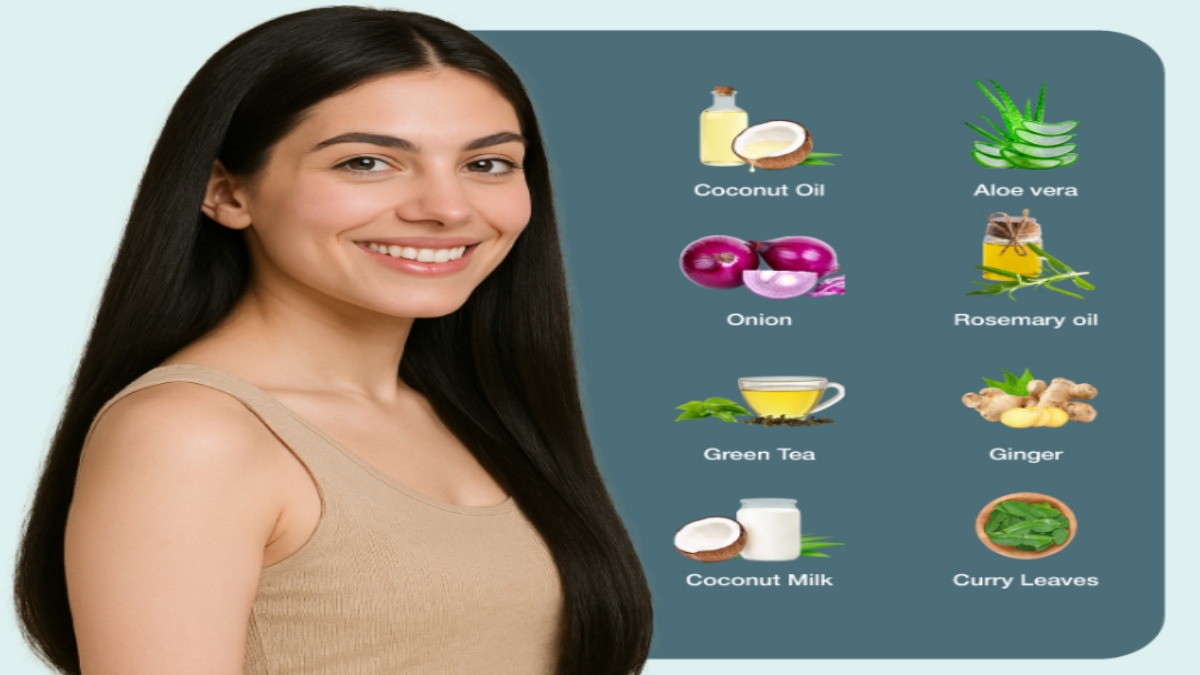
Natural approaches can support overall hair and scalp health, but they cannot guarantee prevention or cure every type of hair loss. If shedding is sudden, severe or accompanied by bald patches or scalp changes, consulting a dermatologist is important. Alongside professional care when needed, several healthy habits may help create better conditions for strong, healthy hair.
1. Eat a Nutrient-Rich Diet
Hair growth requires adequate nutrition. A balanced diet containing protein, iron, zinc, healthy fats, vitamins and other essential nutrients can support normal hair growth.
Related Articles
Include foods such as eggs, beans, lentils, nuts, seeds, leafy green vegetables, dairy products, fish and whole grains as appropriate for your dietary preferences.
Severe calorie restriction or crash diets can contribute to increased hair shedding, so maintaining a balanced eating pattern is important.
2. Make Protein Part of Your Meals
Hair is primarily made from a protein called keratin. Not getting enough dietary protein may affect normal hair growth.
Related Articles

Good sources include eggs, fish, poultry, dairy products, soy, beans, lentils and other legumes. Vegetarians and vegans can combine different plant-based protein sources to help meet their nutritional needs.
However, taking protein supplements unnecessarily is not a guaranteed solution for hair loss. A balanced diet is generally the best starting point.
3. Check for Nutritional Deficiencies
Certain nutritional deficiencies can contribute to hair shedding. Iron deficiency, for example, may be associated with hair loss in some people.
If you are experiencing unexplained or persistent hair fall, a healthcare professional can determine whether blood tests are appropriate. Supplements should ideally be taken when a deficiency has been identified or when recommended by a qualified professional.
Taking excessive amounts of vitamins or minerals can sometimes cause health problems and may even contribute to hair loss.
4. Massage the Scalp Gently
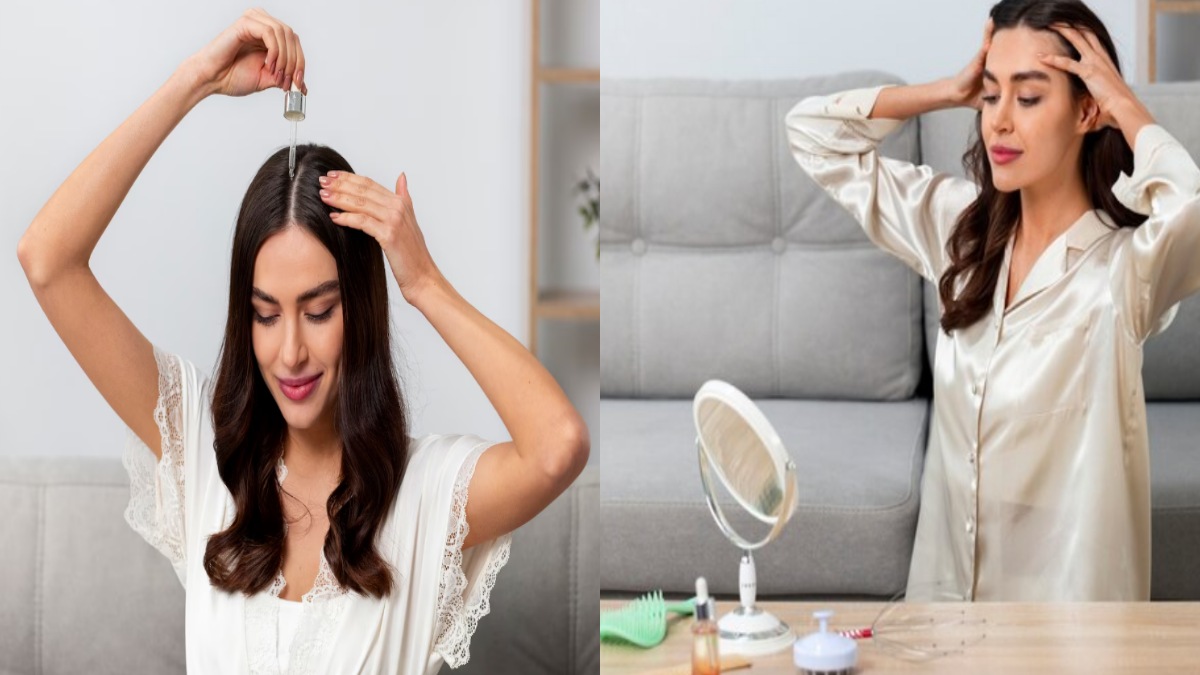
A gentle scalp massage can be a relaxing addition to a hair-care routine. Using your fingertips, massage the scalp lightly for several minutes without scratching or applying excessive pressure.
Some people use oils during scalp massage, but there is limited evidence that simply applying oil can prevent genetic or medically related hair loss. The main benefit of massage may be relaxation and gentle stimulation of the scalp.
5. Use Coconut Oil for Hair Conditioning
Coconut oil is commonly used as a natural hair-care ingredient. It can help condition the hair and may reduce some forms of hair damage associated with grooming.
Apply a small amount to the hair lengths and ends before washing if it suits your hair type. People with an oily scalp or scalp conditions may find heavy oiling uncomfortable, so it is best to adjust the amount accordingly.
Coconut oil should be viewed as a conditioning treatment rather than a proven cure for hair loss.
6. Avoid Tight Hairstyles
Repeatedly pulling hair into very tight ponytails, braids, buns or extensions can place tension on the hair follicles. Over time, this may contribute to traction alopecia.
Choose looser hairstyles and avoid continuously putting tension on the same areas of the scalp. Giving your hair regular breaks from tight styles can help minimise unnecessary stress on the follicles.
7. Reduce Heat and Chemical Damage
Frequent use of straighteners, curling irons, hot blow-dryers and harsh chemical treatments can weaken the hair shaft and increase breakage.
Use lower heat settings when possible and avoid repeatedly treating already damaged hair. A heat-protective product can also help reduce damage during styling.
Remember that hair breakage is different from hair loss originating at the follicle, but reducing breakage can make hair appear fuller and healthier.
8. Manage Stress
Significant physical or emotional stress can sometimes trigger temporary increased hair shedding. This type of shedding may occur weeks or months after a stressful event.
Regular exercise, adequate sleep, breathing exercises, yoga, meditation and time spent doing enjoyable activities may help with stress management.
If you notice substantial shedding after a stressful period, speak with a healthcare professional if it continues or concerns you.
9. Be Gentle When Washing and Brushing
Hair can be particularly vulnerable when wet. Use a gentle shampoo appropriate for your scalp and avoid aggressive scrubbing.
When detangling, use a wide-toothed comb or suitable brush and work through knots carefully. Avoid pulling or repeatedly brushing the hair unnecessarily.
Keeping the scalp clean and treating conditions such as dandruff can also contribute to a healthier scalp environment.
10. Prioritise Good Sleep and Overall Health
Healthy hair is connected to overall health. Poor sleep, prolonged stress, restrictive dieting and inadequate nutrition can all affect the body's normal processes.
Aim for a consistent sleep schedule, eat a varied diet and stay physically active. These habits may not directly stop genetic hair loss, but they can support general well-being and healthy hair growth.
When Should You See a Doctor
Natural remedies should not delay professional evaluation when hair loss is significant. See a dermatologist or healthcare professional if you experience sudden or rapid shedding, clearly visible bald patches, a widening part, receding hairline, scalp pain or inflammation, severe itching or unexplained changes in hair density.
A doctor can identify possible causes and recommend evidence-based treatments when appropriate.
There is no single natural treatment that can prevent every form of hair loss. However, eating a nutritious diet, getting adequate protein and essential nutrients, managing stress, protecting hair from excessive tension and heat, and maintaining good scalp hygiene can all support healthier hair.
The most important step is identifying the underlying cause of persistent hair loss. Natural hair-care practices can complement professional treatment, but they should not replace medical evaluation when excessive or unexplained shedding occurs.



Comments 0