
Water is the most critical nutrient for the human body. It is crucial to digestion, circulation, temperature regulation, and the removal of waste. If you’ve been in a weight loss program, you’ve probably heard that drinking water doesn’t burn fat, but if we are drinking water well, we will lose weight (you want to lose weight).
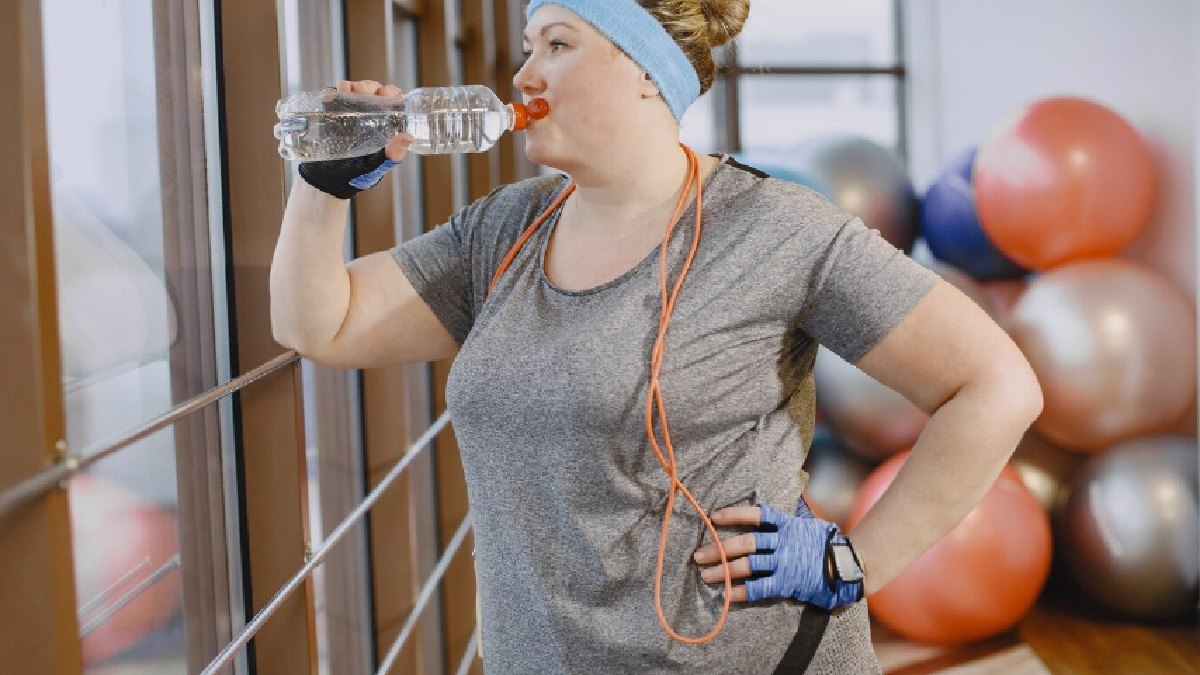
How much water to drink and how hydration supports your body helps in building sustainable habits can help you develop healthy habits to be in a balanced weight loss exercise plan.
How does drinking water help you lose weight
Water is not a cure for weight loss. Sustainable weight loss is when you consume fewer calories than you burn daily, and exercise the same in order to lose weight. Water is helpful in a variety of ways for this.
Related Articles


Water may help by:
- Easing a feeling of fullness before meals
- Replacing sweet beverages with sugary drinks (sugary drinks that are too much sugar-laden with more calories)
- Promoting digestion and nutrient transport
- Preventing dehydration during exercise
Great hydration is a healthy lifestyle, and when combined with food and exercise, it supports a healthy diet.
How much water to drink
There is no one-size-fits-all recommendation because water needs vary due to a variety of reasons such as:
Related Articles


- Age. Body size
- Physical activity level
- Climate and weather
- Overall health
- Pregnancy or breastfeeding
As a general guideline, many health organizations suggest that healthy adults aim for approximately:
- Women: About 2.7 liters (91 ounces) of total daily fluids from beverages and water-rich foods
- Men: About 3.7 liters (125 ounces) of total daily fluids from beverages and water-rich foods
These totals include water from fruits, vegetables, soups, milk, and other beverages (not just plain drinking water).
If you exercise regularly, work outdoors, or live in a hot climate, you may need additional fluids to replace what is lost through sweat.
Drink Water Before Meals
Many people find drinking one glass of water about 20 to 30 minutes before a meal helps them feel fuller, which is natural since portion sizes are likely to be smaller for them. That simple habit does not add calories and yet it is supported by research and can be a healthy eating habit.
Water should be a part of balanced meals rather than substituting for them.
Hydration and Exercise
Water loss through sweat increases fluid loss during exercise, and hydration is especially important for those who are attempting to lose weight.
Proper hydration can help:
- Improve workout performance
- Reduce fatigue
- Support muscle function
- Help regulate body temperature
- Aid recovery after exercise
- During, in, and after exercise, drink water
Signs You Are Well Hydrated
Instead of solely focusing on the number of glasses you drink, pay attention to your body's signals.
Signs of good hydration include:
- Pale yellow urine
- Regular urination
- Feeling energetic
- Minimal thirst
- Good concentration
Signs of dehydration may include:
- Dark-colored urine
- Dry mouth
- Dizziness
- Headache
- Fatigue
- Increased thirst
If you notice persistent symptoms of dehydration, increase your fluid intake and seek medical advice if symptoms continue.
Common Mistakes to Avoid
When using water as part of your weight-loss journey, avoid these common mistakes:
- Believing water alone will cause weight loss
- Replacing balanced meals with excessive water
- Ignoring hydration during exercise
- Drinking large amounts of water very quickly
- Consuming sugary beverages instead of water
Weight loss is most successful when hydration is combined with healthy eating, regular physical activity, and adequate sleep.
Water is an essential part of a weight loss program but should be seen as a supportive, rather than a single-source, solution. Well-hydrated people can perform better in exercise, have more efficient digestion, and not consume as much.
Most adults should aim to meet their daily fluid needs by drinking water regularly and eating water-rich foods, adjusting intake based on activity level, climate, and personal health. Combined with a balanced diet, regular physical activity, quality sleep, and consistent healthy habits, proper hydration can contribute to successful, sustainable weight management and overall well-being.




Comments 0