
From shampoo bottles and skincare jars to makeup tubes and disposable beauty tools, plastic has become deeply embedded in modern beauty routines. While individual products may seem small, the amount of packaging used across an entire bathroom shelf can quickly add up. The good news is that reducing plastic does not mean giving up skincare, makeup or personal care products.
A few thoughtful changes can make your routine more environmentally conscious without making it complicated.The key is to focus on reducing unnecessary plastic, choosing reusable alternatives and making products last longer.
Start by Auditing Your Beauty Products
Before buying anything new, take a look at what you already own. Check your bathroom cabinet, makeup bag and shower shelf to identify products that come in plastic packaging.
Related Articles


You may discover that you have several partially used shampoos, moisturisers or beauty products that serve similar purposes. Using what you already have instead of immediately replacing everything is one of the simplest ways to reduce waste.
Once products are finished, consider whether you really need to repurchase them and whether a lower-plastic alternative is available.
Choose Refillable Beauty Products
Refill systems can significantly reduce the amount of packaging discarded after each purchase. Many brands now offer refill pouches, refill cartridges or containers designed to be reused.
Related Articles

Look for refillable options for products such as cleansers, moisturisers, shampoo, conditioner, body wash and liquid hand soap. Instead of throwing away a complete container every time, you can keep the original dispenser and replace only the product inside.
However, remember that not every refill package is automatically more sustainable. Consider the amount and type of packaging used and how frequently you need to replace it.
Try Solid Beauty Products
Solid beauty products can be another useful way to reduce dependence on plastic bottles. Shampoo bars, conditioner bars, solid cleansers, body soaps and some moisturisers are available in compact formats.
Because these products often require little or no plastic packaging, they can be a practical alternative to conventional bottled products. A soap dish or reusable storage tin can also help keep solid products dry and extend their lifespan.
If you have sensitive skin or scalp concerns, introduce new solid products gradually and check their ingredients to make sure they suit you.
Replace Disposable Beauty Tools
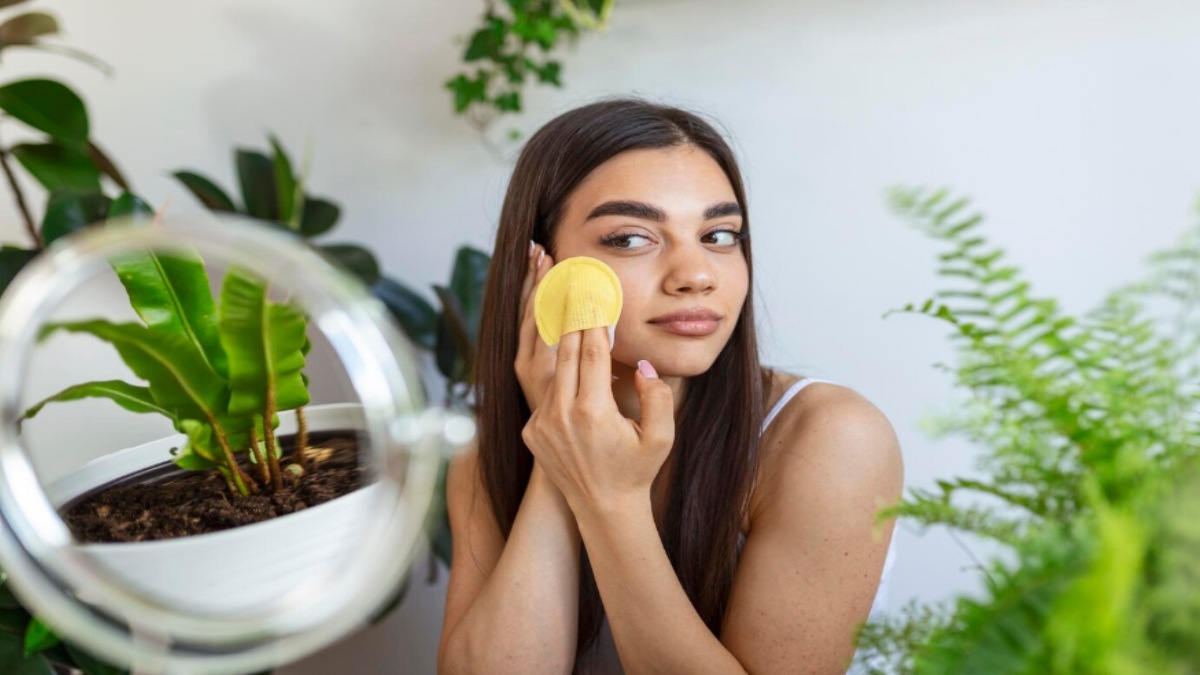
Some beauty routines rely heavily on disposable products. Cotton pads, makeup wipes, single-use razors and other throwaway accessories can create unnecessary waste.
Consider reusable cotton rounds or washable makeup-removal cloths instead of disposable pads. A reusable facial cloth can also replace many makeup wipes.
For shaving, a durable razor with replaceable blades may reduce waste compared with frequently discarded plastic razors. The best option depends on your comfort, technique and skin sensitivity.
Be More Selective With Makeup Packaging
Makeup can be particularly challenging because products often contain several layers of packaging. When shopping, look for brands that offer refillable compacts, recyclable packaging or minimal packaging.
You can also avoid buying products simply because they are part of a trend. Choosing versatile products that you use regularly can prevent unused makeup from eventually becoming waste.
For example, a multipurpose colour product that works on the cheeks and lips may replace two separate products in your makeup bag.
Make Your Products Last Longer
One of the easiest ways to reduce packaging waste is simply to use products efficiently.
Avoid dispensing more shampoo, cleanser, moisturiser or conditioner than necessary. Store products correctly, close containers tightly and keep water away from products that do not need it.
Using a product completely before replacing it also reduces the environmental impact associated with manufacturing, packaging and transporting another item.
Recycle Responsibly
Reducing plastic is preferable to relying entirely on recycling, but recycling can still play an important role. Check the recycling rules in your local area because accepted materials vary.
Before recycling beauty packaging, empty the container and follow local instructions about cleaning and separating components. Some products contain pumps, mirrors, mixed materials or small components that may not be accepted through regular household recycling.
Avoid “Green” Shopping Just for the Packaging
Sustainable beauty is not simply about buying products labelled “eco-friendly.” Constantly replacing perfectly good products with new sustainable alternatives can create more waste.
A better approach is to make gradual changes. Finish what you own, research alternatives and replace products when they naturally run out.
Sustainability is less about creating a perfect plastic-free bathroom overnight and more about making thoughtful decisions consistently.
Build a Routine Around Your Real Needs
A minimalist beauty routine can naturally produce less waste. Instead of collecting numerous products, identify the essentials you genuinely use.
A simple routine might include a cleanser, moisturiser, sunscreen and a few makeup products, depending on your personal needs. Reducing unnecessary purchases can lower packaging waste while also saving money and keeping your beauty space organised.
Small Changes Can Make a Difference
You do not have to eliminate every piece of plastic from your beauty routine to make a meaningful change. Switching to refillable products, using reusable tools, trying solid alternatives, buying fewer unnecessary products and recycling correctly can all help reduce waste.
The most sustainable beauty routine is one that works for you and that you can maintain over time. Rather than chasing perfection, focus on making better choices whenever you need to replace something. With a little planning, your beauty routine can become kinder to both your skin and the planet.




Comments 0