
Hyperpigmentation is one of the most common skin concerns affecting people of all ages and skin tones. It occurs when certain areas of the skin become darker than the surrounding skin due to an excess production of melanin, the natural pigment responsible for skin, hair, and eye color. Although hyperpigmentation is usually harmless, it can affect self-confidence and may sometimes indicate an underlying skin condition that requires medical attention.
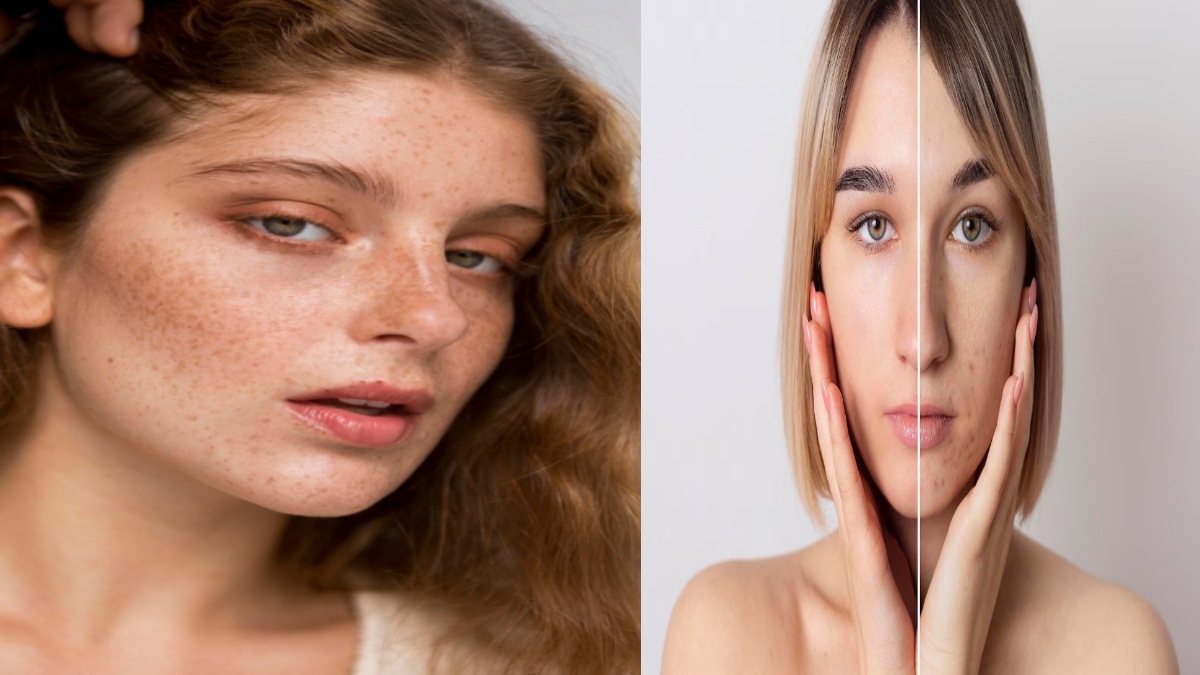
The good news is that many forms of hyperpigmentation can be prevented or improved with proper skincare, sun protection, and, when necessary, professional treatment. Understanding what causes hyperpigmentation is the first step toward maintaining healthy, even-toned skin.
What Is Hyperpigmentation
Hyperpigmentation refers to patches or spots of skin that appear darker than the surrounding area because melanocytes the cells that produce melanin become more active or produce excess pigment. These darkened areas can vary in size, shape, and intensity and may appear anywhere on the body, though they are most common on the face, hands, shoulders, and arms.
Related Articles


While hyperpigmentation itself is not a disease, it is often a symptom or result of another process affecting the skin.
Common Causes of Hyperpigmentation
Several factors can trigger excess melanin production.
1. Sun Exposure
Ultraviolet (UV) rays from the sun are one of the leading causes of hyperpigmentation. Prolonged sun exposure stimulates melanin production as the skin attempts to protect itself, leading to sunspots or age spots over time.
Related Articles

2. Post-Inflammatory Hyperpigmentation (PIH)
Dark spots often develop after the skin heals from inflammation or injury. Common triggers include:
- Acne
- Eczema
- Psoriasis
- Burns
- Cuts and scrapes
- Cosmetic procedures
PIH is more common in individuals with medium to darker skin tones but can affect anyone.
3. Melasma
Melasma is characterized by symmetrical brown or gray-brown patches, usually on the cheeks, forehead, nose, and upper lip. It is often associated with hormonal changes during pregnancy or while using hormonal contraceptives. Sun exposure can worsen melasma.
4. Aging
As people age, repeated exposure to sunlight can lead to age spots, also known as solar lentigines, particularly on areas frequently exposed to the sun.
5. Certain Medications
Some medications may increase skin sensitivity to sunlight or influence pigment production, including certain antibiotics, anti-seizure medications, and hormonal therapies.
6. Medical Conditions
Less commonly, endocrine disorders and other medical conditions can contribute to changes in skin pigmentation. A healthcare provider can help determine the underlying cause if pigmentation changes are widespread or unusual.
Types of Hyperpigmentation
The three most common types include:
- Melasma: Hormone-related pigmentation that often appears on the face.
- Post-inflammatory hyperpigmentation (PIH): Dark marks left after skin inflammation or injury.
- Sunspots (Solar Lentigines): Pigmented spots caused by long-term sun exposure.
Each type may require a different treatment approach.
Symptoms
Hyperpigmentation usually appears as:
- Flat brown, black, gray, or tan patches
- Dark spots after acne or skin injuries
- Uneven skin tone
- Patches that become darker after sun exposure
These spots are generally painless and do not cause itching. However, any rapidly changing or unusual pigmented lesion should be examined by a dermatologist to rule out skin cancer.
How to Prevent Hyperpigmentation
Use Sunscreen Daily
Applying a broad-spectrum sunscreen with SPF 30 or higher every day is one of the most effective ways to prevent hyperpigmentation. Reapply every two hours when outdoors and after swimming or sweating.
Avoid Excessive Sun Exposure
Seek shade during peak UV hours (typically 10 a.m. to 4 p.m.) and wear protective clothing, hats, and UV-blocking sunglasses.
Treat Acne Early
Prompt treatment of acne can reduce the risk of post-inflammatory hyperpigmentation.
Avoid Picking or Scratching the Skin
Picking pimples, scabs, or insect bites increases inflammation and the likelihood of dark spots.
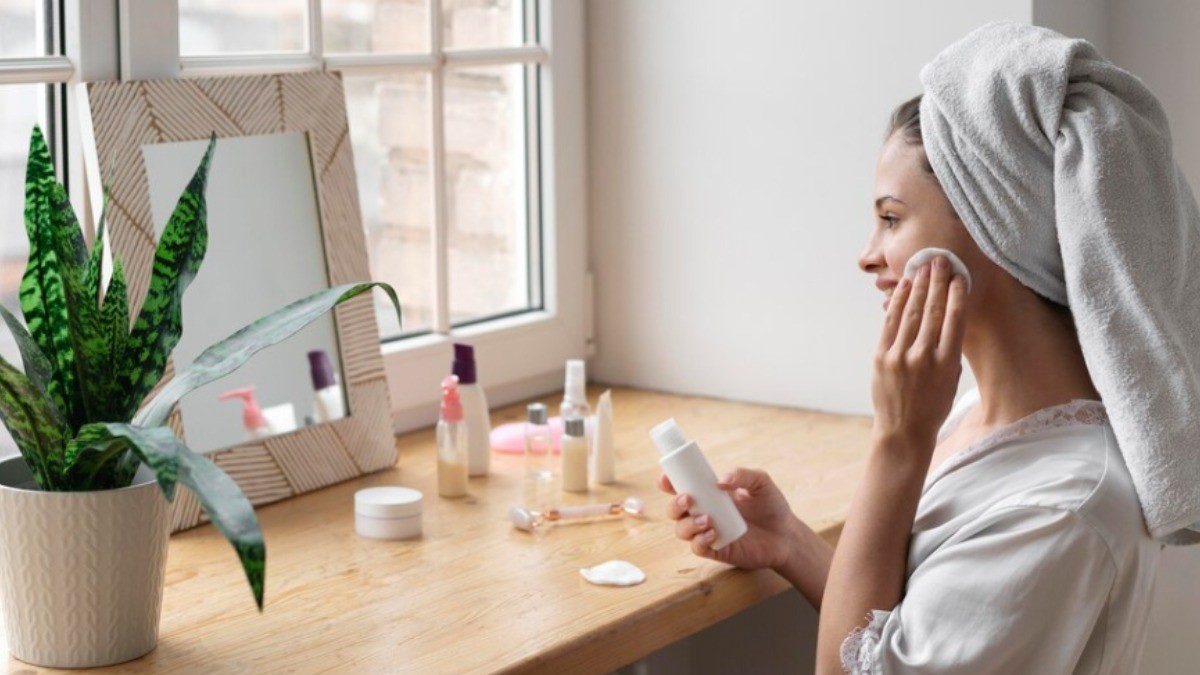
Follow a Gentle Skincare Routine
Avoid harsh scrubs or over-exfoliation, which may irritate the skin and worsen pigmentation.
Treatment Options
Treatment depends on the type and severity of hyperpigmentation.
Topical Skincare Ingredients
Dermatologists may recommend products containing ingredients such as:
- Vitamin C
- Niacinamide
- Azelaic acid
- Retinoids
- Kojic acid
- Hydroquinone (under medical supervision)
- Alpha hydroxy acids (AHAs)
Results often take several weeks to months and should be combined with daily sunscreen use.
Professional Treatments
For stubborn pigmentation, a dermatologist may recommend:
- Chemical peels
- Laser therapy
- Intense Pulsed Light (IPL) for suitable skin types
- Microneedling combined with topical treatments
These procedures should always be performed by qualified professionals to minimize complications.
Healthy Habits for Better Skin
In addition to skincare, support healthy skin by:
- Eating antioxidant-rich fruits and vegetables
- Staying hydrated
- Getting adequate sleep
- Managing stress
- Avoiding smoking
- Following a consistent skincare routine
Healthy lifestyle habits can improve overall skin appearance, although they may not eliminate existing pigmentation.
When to See a Dermatologist
Consult a dermatologist if:
- Pigmentation changes suddenly or spreads rapidly
- A mole changes in size, shape, or color
- Dark patches do not improve despite home care
- Hyperpigmentation affects your confidence or quality of life
- You are unsure whether a spot is harmless
Early evaluation ensures accurate diagnosis and appropriate treatment.
\
Hyperpigmentation is a common and usually harmless skin condition that results from excess melanin production. Whether caused by sun exposure, acne, hormonal changes, or aging, many cases can be prevented or improved through consistent sun protection, gentle skincare, and appropriate treatment.




Comments 0