
The monsoon season brings relief from scorching temperatures, but the increased humidity can create a new set of challenges for your hair. Frizz, excessive oiliness, an itchy scalp, dandruff and increased hair fall are some of the most common complaints during rainy weather. This often leads people to wonder whether blow-drying is making things worse.

While excessive heat styling can certainly contribute to hair damage, an expert perspective suggests that the real problem during the monsoon may not simply be the use of a hair dryer. Instead, how you use the dryer, the temperature setting, the condition of your hair and prolonged exposure to moisture can all influence hair health.
Why Does Hair Behave Differently During the Monsoon
Humidity is one of the biggest factors affecting your hair during the rainy season. Hair naturally absorbs moisture from the surrounding environment. When humidity levels are high, the hair shaft can take in excess moisture, causing the strands to swell and become more difficult to manage.
Related Articles
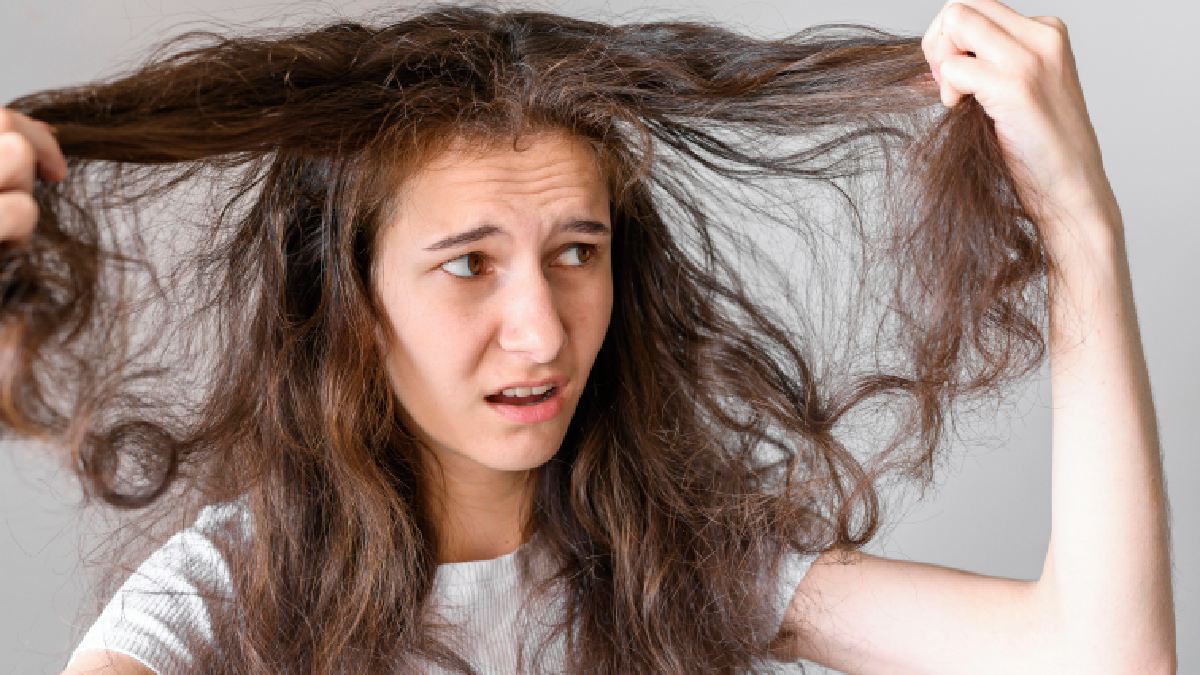

This can make naturally wavy or curly hair appear frizzy and leave straight hair looking limp. If the scalp remains damp for long periods, the warm and moist environment may also encourage the growth of microorganisms associated with scalp irritation and dandruff.
As a result, many people turn to blow-drying to get their hair dry quickly.
Is Blow-Drying Actually Bad for Your Hair
Blow-drying itself is not necessarily harmful. The concern is excessive heat and improper technique.
Related Articles


Hair is made primarily of keratin, and repeated exposure to very high temperatures can weaken the hair's outer protective layer. Over time, this may contribute to dryness, brittleness, split ends and breakage.
The risk becomes greater when a dryer is held too close to the hair or used at its highest heat setting for extended periods.
During the monsoon, however, completely avoiding a hair dryer may not always be practical. Leaving the scalp and hair wet for hours after a shower or getting caught in rain can also create problems.
The goal, therefore, is not necessarily to stop blow-drying but to dry your hair safely.
The Real Culprit: Excessive Heat and Prolonged Dampness
According to hair-care experts, the issue is often a combination of factors rather than the dryer alone.
Using maximum heat every day can damage the hair fibre. At the same time, keeping the scalp wet for a prolonged period can contribute to scalp discomfort and other problems.
This means that rushing from one extreme to another either aggressively blow-drying soaking-wet hair with intense heat or allowing wet hair to remain damp for hours isn't ideal.
A better approach is to gently remove excess water first. Use a soft towel or microfiber towel to blot the hair rather than vigorously rubbing it. Then allow the hair to partially air-dry before using a dryer.
How to Blow-Dry Your Hair Safely During Monsoon
If you need to use a blow dryer, a few simple changes can reduce unnecessary stress on your hair.
Use a lower or medium heat setting: High heat is not always necessary. Medium or warm air can dry hair effectively while reducing excessive thermal exposure.
Keep the dryer moving: Avoid directing hot air at one section for a long time. Keep the dryer several inches away from your hair and move it continuously.
Remove excess water first: Do not immediately blast dripping-wet hair with high heat. Gently squeeze out excess water and towel-dry before using the dryer.
Use heat protection: A suitable heat-protectant product can help reduce the impact of styling heat on the hair shaft.
Finish with cool air: A brief cool-air setting at the end can help the hair feel smoother and may reduce the need for prolonged exposure to heat.
Don't Forget the Scalp
Monsoon hair care isn't only about controlling frizz. Scalp hygiene is equally important.
If your scalp becomes sweaty or oily, wash it regularly with a shampoo suited to your hair and scalp type. If you have persistent dandruff, itching, redness or unusual hair fall, consult a dermatologist rather than repeatedly changing hair products.
It is also important to dry the scalp properly after washing. Going to bed with wet hair can leave the scalp damp for several hours and may increase discomfort.
Avoid These Common Monsoon Hair-Care Mistakes
Excessive brushing of wet hair, vigorous towel rubbing, frequent high-heat styling and leaving sweat or rainwater on the scalp for long periods can all contribute to hair problems.
Another common mistake is using too many heavy styling products to control humidity-related frizz. Product buildup can make the scalp feel greasy and may worsen discomfort for some people.
Choose lightweight products according to your hair type and avoid applying large amounts directly to the scalp unless the product is specifically designed for scalp use.
So, is blow-drying damaging your hair during the monsoon? It can be if you rely on excessive heat or use the dryer incorrectly, but the hair dryer is not automatically the villain.
The bigger concern is often the combination of humidity, prolonged dampness, excessive heat, poor drying technique and inadequate scalp care.
During the rainy season, focus on keeping your scalp clean and comfortably dry, minimizing high-heat exposure and treating wet hair gently. If you use a blow dryer, choose a moderate temperature, maintain some distance and keep the airflow moving.
And if you notice sudden or persistent hair loss, scalp inflammation or severe dandruff, don't assume the monsoon is solely responsible. Several underlying factors can contribute to hair and scalp changes, so professional evaluation may be worthwhile.
With a balanced approach, you don't have to give up blow-drying completely to maintain healthy-looking hair throughout the monsoon.




Comments 0