
Makeup is designed to enhance your natural features, brighten the face and help you feel more confident. But as skin changes with age, some makeup techniques that once worked beautifully may begin to have the opposite effect. Heavy foundation, overly dark colours or incorrect application can settle into fine lines, emphasize texture and make the face appear older than it actually is.
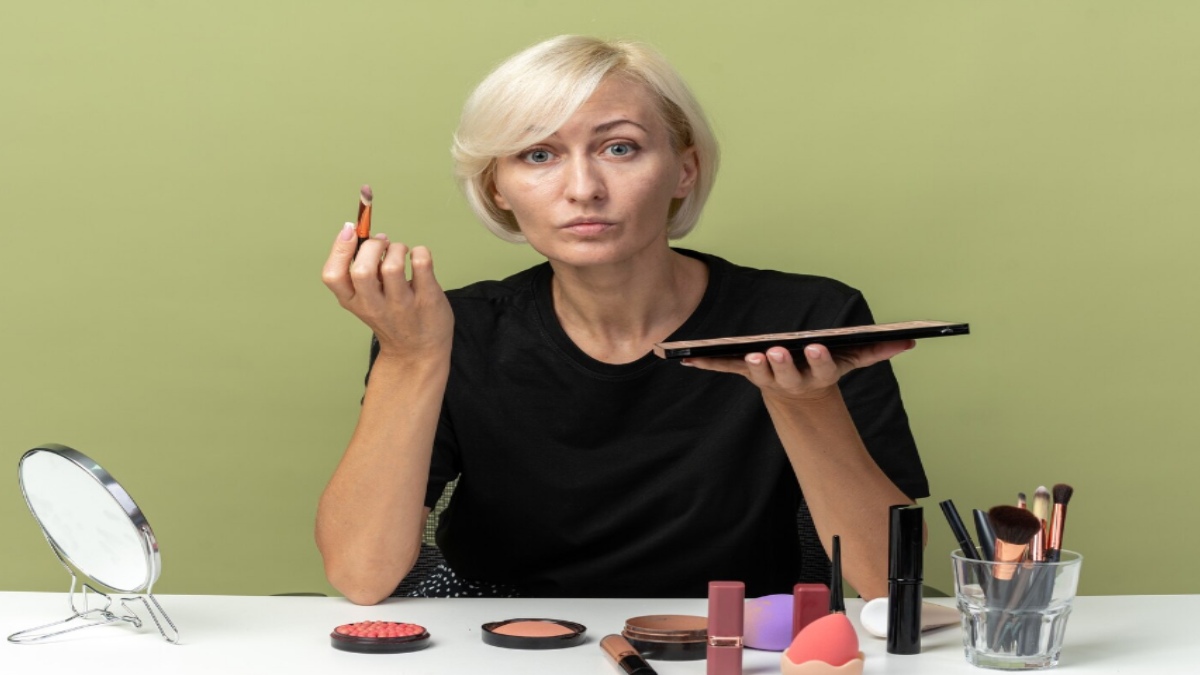
The good news is that looking fresh and youthful does not require giving up makeup. Small changes in products, textures and application techniques can make a significant difference. Here are some common makeup mistakes that may be adding years to your appearance and simple ways to avoid them.
Using Too Much Foundation
One of the most common mistakes is applying a thick layer of foundation in an attempt to achieve flawless-looking skin. Heavy foundation can accumulate around fine lines, wrinkles and areas of dryness, making them more noticeable.
Related Articles


Instead, consider using a lightweight, buildable foundation or tinted moisturiser. Apply a thin layer across the face and add extra coverage only where it is genuinely needed. A natural skin-like finish often looks more youthful than a completely matte, heavily covered complexion.
Choosing the Wrong Foundation Finish
The finish of your foundation can dramatically affect how mature your skin looks. Extremely matte formulas may highlight dryness and texture, while overly dewy products can sometimes emphasize pores.
A satin or natural finish can provide a balanced appearance. The ideal formula depends on your skin type, so look for products that provide comfortable hydration without feeling heavy or greasy.
Related Articles

Applying Too Much Powder
Powder is useful for controlling shine, but applying it generously across the entire face can make skin appear dry and flat. It can also settle into fine lines, particularly around the eyes and mouth.
Instead, use powder selectively. Concentrate on areas that genuinely become oily, such as the forehead, nose and chin. Leaving some natural dimension on the cheeks can help the complexion appear fresher.
Overdoing Concealer Under the Eyes
More concealer does not necessarily mean better coverage. A thick layer beneath the eyes can collect in fine lines and draw attention to the very area you are trying to brighten.
Choose a lightweight concealer and apply a small amount. Rather than covering the entire under-eye area with a thick layer, focus on areas where darkness is most visible and gently blend the product.
Using Very Dark or Heavy Eyeliner
Heavy black eyeliner, particularly when applied as a thick line around the entire eye, can make the eyes appear smaller and create a harsher overall look.
For a softer effect, consider a thinner line or use brown, charcoal or other softer shades. Gently smudging eyeliner can also create definition without making the eyes look overly outlined.
Applying Eyebrow Products Too Heavily
Brows frame the face, but extremely dark, thick or sharply drawn eyebrows can look unnatural and may make facial features appear more severe.
Choose a brow product close to your natural hair colour and use light, hair-like strokes. A softly defined brow generally looks more natural than a heavily filled-in shape.
Choosing the Wrong Blush Placement
Blush can instantly make the complexion look healthier, but its placement matters. Applying it too low on the cheeks can visually pull the face downward.
Try placing blush slightly higher on the cheeks and blending it outward toward the temples. Cream or liquid blush formulas can also provide a fresh, skin-like finish when used in moderation.
Using Very Dark Lip Colours Without Balance
Deep lipstick shades can be beautiful, but certain very dark or overly cool colours may make the lips appear thinner or draw attention away from the rest of the face.
This does not mean you need to avoid bold lipstick. Instead, experiment with shades that complement your complexion. A comfortable satin or creamy formula may also make the lips look fuller than an extremely dry matte finish.
Neglecting Lip Preparation
Dry, flaky lips can make lipstick settle unevenly and emphasize texture. Before applying colour, gently smooth the lips and use a moisturising lip balm.
Allow the balm to absorb before applying lipstick. A lip liner in a complementary shade can also help define the lips and prevent colour from migrating into surrounding lines.
Skipping Skin Preparation
Makeup generally looks better when applied to well-prepared skin. Applying foundation directly onto dry or dehydrated skin can result in patchiness and emphasize texture.
Start with a suitable moisturiser and allow it to absorb. During the daytime, sunscreen is also an important part of a healthy skincare routine. If your skin is particularly dry, choosing hydrating makeup products may improve the overall finish.
Following Outdated Makeup Trends
Beauty trends change constantly, and techniques that were popular years ago may not necessarily complement your current skin or facial features. Extremely heavy contouring, sharply defined brows and layers of matte makeup can sometimes create a less natural appearance.
Rather than following every trend, focus on techniques that enhance your individual features. Makeup should adapt to you, not the other way around.
Forgetting to Blend
Visible lines between foundation, blush, bronzer and contour can make makeup look heavy and artificial. Proper blending creates a seamless transition between products and helps the makeup look more like part of the skin.
Use clean brushes or makeup sponges and blend around the jawline, hairline and cheeks. Take a moment to check your makeup in natural light whenever possible.
Looking youthful with makeup is not about hiding every line or creating a completely flawless face. In many cases, lighter application, better hydration and softer definition can create a fresher appearance.
Avoiding heavy foundation, excessive powder, thick eyeliner, overly dark brows and poorly blended products can help makeup sit more naturally on the skin. Most importantly, remember that mature skin is not something that needs to be completely concealed. The goal of makeup should be to enhance your features while allowing your natural complexion to shine through.
With a few simple adjustments to your routine, you can create makeup that looks polished, comfortable and radiant at any age.




Comments 0