
If your skin suddenly starts breaking out every monsoon, you’re not alone. The rainy season may bring relief from scorching summer temperatures, but high humidity can create a challenging environment for acne-prone skin. And sweating, excess oil production, pollution and dirt can accumulate on the skin and contribute to clogged pores and breakouts.
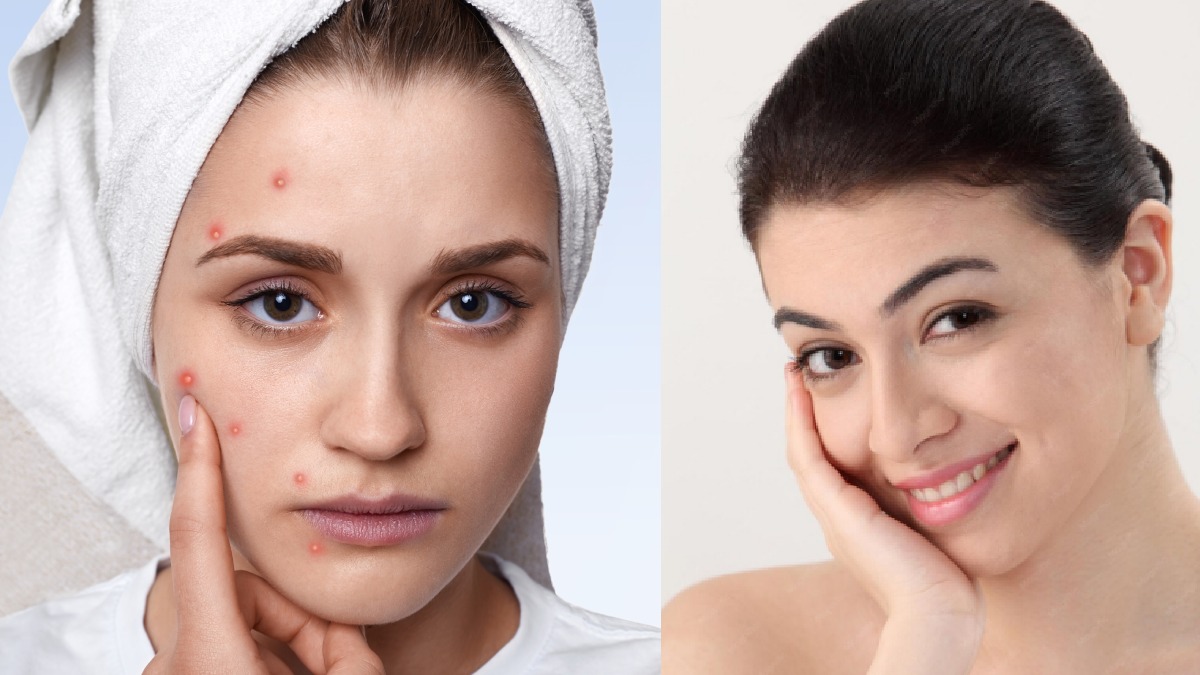
The good news is that simple skincare habits can help keep monsoon pimples under control. You don’t need a complicated routine. You can help with consistency, soft products and good hygiene.
1. Cleanse Your Face Twice a Day
Related Articles


Sweat, oil, dirt and pollution can build up on your skin during humid weather. Cleansing your face twice a day—once in the morning and once before bed—can help remove impurities and excess oil from your skin.
And choose a gentle, non-comedogenic cleanser that won’t clog pores or leave your skin feeling too dry. Don’t get your face all oily, or wash it over and over again all day long. Over-cleansing can damage the skin barrier and cause irritation, and your skin may feel oilier.
If you sweat a lot during the day, you can rinse your face with water as opposed to using a harsh cleanser repeatedly.
Related Articles
2. Don't Skip Moisturiser
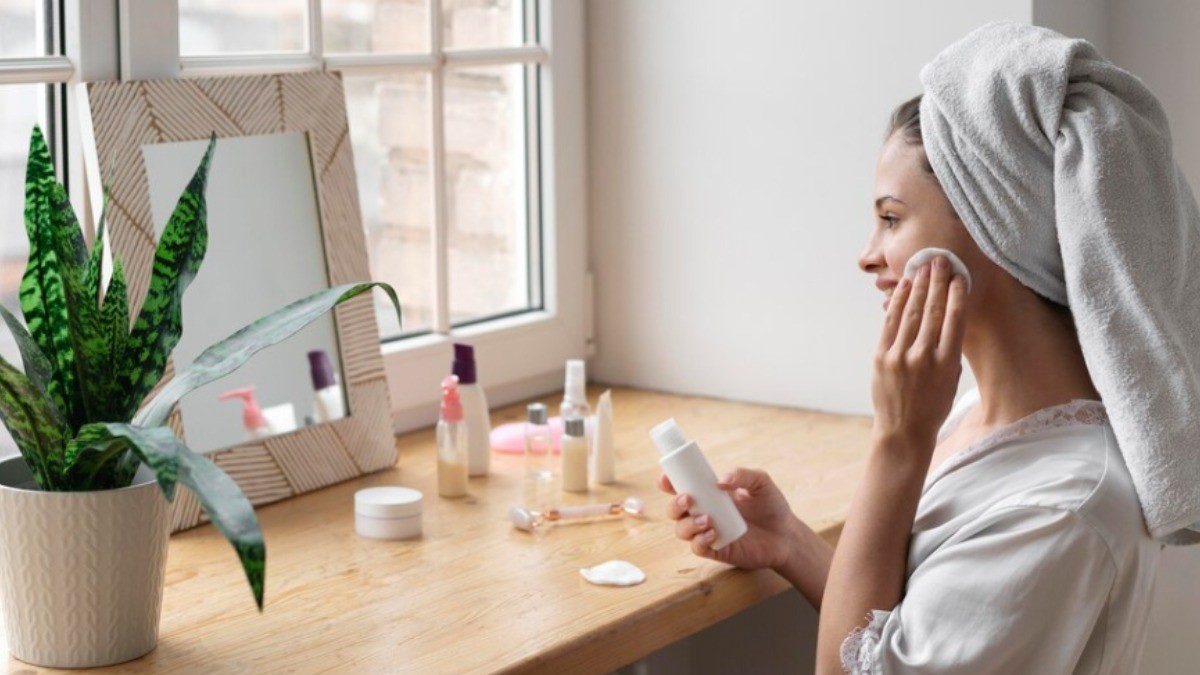
It may seem logical to avoid moisturiser when your skin already feels greasy, but without hydration your skin is going to feel dry and irritated. And oily and acne-prone skin needs moisture.
During the monsoon, go for a lightweight, oil-free and non-comedogenic moisturiser. Gel-based or water-based products may be more friendly in humid weather and help maintain skin’s moisture barrier.
A healthy skin barrier is important because excessive dryness and irritation can make acne-prone skin more difficult to manage.
3. Wear Sunscreen Even When It's Cloudy
Cloudy skies do not mean that your skin is completely protected from ultraviolet rays. UV rays can still reach your skin on overcast days and sunscreen is an important part of your daily routine throughout the year.
Every morning apply a broad-spectrum sunscreen with SPF 30 or higher. If you have oily or acne-prone skin, look for lightweight, gel-based or non-comedogenic formulations. Reapply sunscreen when you’re spending long periods outdoors, especially after sweating.
4. Keep Your Hands Away From Your Face
Touching your face frequently can transfer dirt, oil and microorganisms from your hands to your skin. More importantly, squeezing or picking pimples can cause inflammation and increase the risk of temporary marks and permanent scarring.
If you leave active breakouts alone and let them heal, make sure you leave them alone and let them heal. Keep your fingernails clean and avoid touching your face to help improve your skin hygiene.
Don't forget about objects that regularly touch your face. Clean your phone screen frequently and change pillowcases regularly to reduce the buildup of sweat, oil and other impurities.
5. Choose Acne-Fighting Ingredients Carefully
If you have clogged pores and breakouts all the time, there are certain skincare products that might help. Salicylic acid can help exfoliate inside pores and remove excess oil while benzoyl peroxide can help reduce acne-causing bacteria and inflammation.
But more active ingredients don’t necessarily mean better results. Introduce one acne-fighting ingredient at a time and follow the product’s directions. Using several strong products at once can irritate the skin and exacerbate breakouts.
When you start to learn acne treatments, start gradually and pay attention to how your skin reacts.
6. Keep Sweat Under Control
Sweating is common in humid monsoon weather and allowing sweat to stay on your face for long periods will lead to clogged pores, especially when oil, makeup and pollution are present.
When you are sweaty from working out, gently cleanse or rinse your face when possible. Avoid wiping your face repeatedly with dirty hands or shared towels. If you wear makeup, look for non-comedogenic products and remove them thoroughly before going to bed.
7. Don't Ignore Persistent Acne
Most monsoon breakouts can be treated with a routine of regular skincare care, but persistent or severe acne may require professional treatment. If acne is painful, deep, widespread or leaving scars and dark marks, see a dermatologist.
A skincare professional will be able to recognize the type and severity of your acne and suggest the appropriate treatment instead of relying on a variety of over-the-counter products.
The monsoon doesn’t have to mean months of unwanted breakouts. Gentle cleansing, proper moisturising, daily sunscreen, good hygiene and carefully selected acne-fighting ingredients can help keep your skin healthy during humid weather. Most importantly, don’t change products constantly or treat them too aggressively. A simple, consistent routine is often a better approach for keeping monsoon acne under control.




Comments 0