
For thousands of years, natural home remedies have been used to treat minor health problems and to keep everyone healthy. Many of these remedies have been based on ingredients commonly found in the kitchen, such as ginger, honey, turmeric, lemon, and herbs. When well-managed and applied wisely, they could not substitute for professional medical care but can ease and help the mild, short-term symptoms.
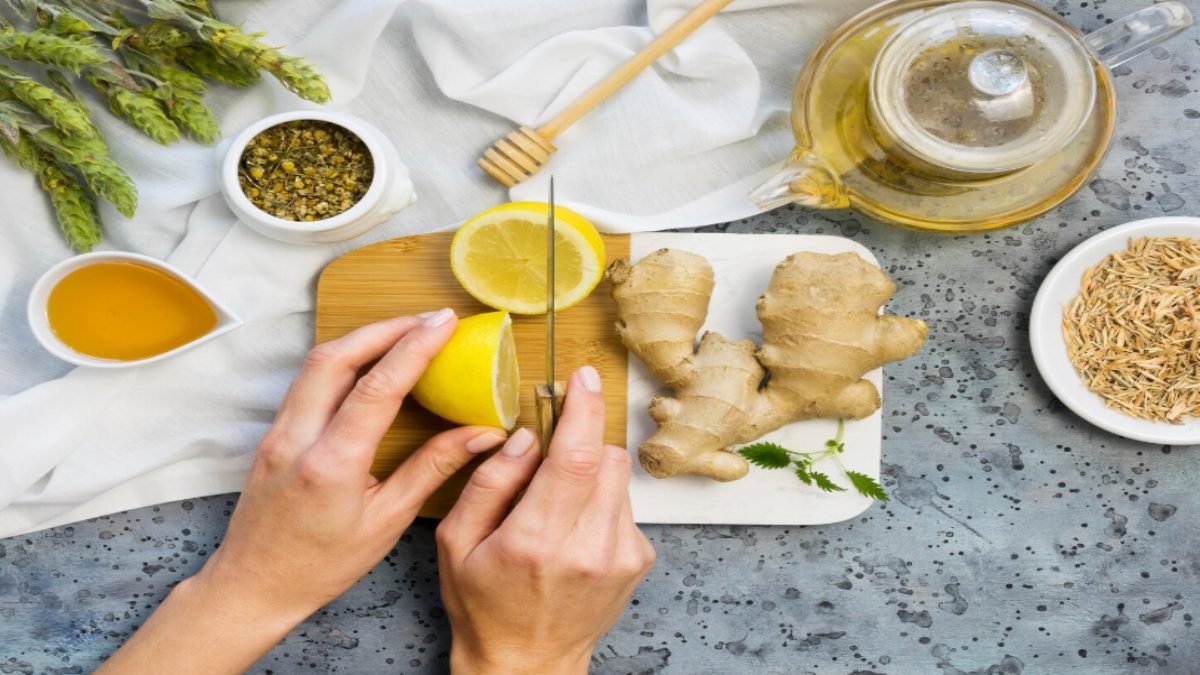
The key to using home remedies safely is to understand the benefits and limitations of home remedies, and when it’s time to seek medical advice. Natural remedies combined with a healthy lifestyle can help you stay healthy and enhance the natural defenses in your body.
Natural home remedies benefit the family
Natural remedies are popular because they are simple, affordable, and easy to prepare. Some possible benefits include:
Related Articles


- Readily available ingredients
- Gentle support for minor ailments
- Encouragement of healthy daily habits
- Complementary to a balanced lifestyle
- Cost-effective for everyday wellness
But "natural" does not mean “safe” anymore. In addition, certain herbs and supplements may interact with medication or may not be appropriate for everyone (pregnant individuals and people with chronic medical conditions).
1. Ginger for Digestion and Nausea
Ginger has long been used to promote digestive health. It may reduce mild nausea, bloating, and indigestion.
How to use it:
- Brew fresh ginger slices in hot water to make ginger tea
- Add grated ginger to soups, stir-fries, or smoothies
If the nausea is very severe, persistent, or accompanied by dehydration or severe pain, go to the healthcare provider.
Related Articles


2.Honey for a Sore Throat and Cough
Honey can be soothing and may relieve irritation in the throat. Some studies have found that it can reduce nighttime coughing in children over one year of age.
How to use it:
- Mix one teaspoon of honey into warm water or herbal tea
- Combine honey with lemon for added flavor
Important: Do not give honey to infants under one year old due to the risk of infant botulism.
3. Turmeric for General Wellness
Turmeric contains curcumin, a compound with anti-inflammatory and antioxidant properties. It may support overall health when included as part of a balanced diet.
Ways to enjoy turmeric:
- Add it to curries, soups, or roasted vegetables
- Mix with warm milk or a fortified plant-based alternative
Turmeric supplements may not be suitable for everyone, especially people taking blood-thinning medications, so seek medical advice before using high-dose supplements.
4. Warm Salt Water Gargle
A warm salt water gargle can temporarily soothe a sore throat and help reduce discomfort.
How to prepare:
- Dissolve half a teaspoon of salt in a glass of warm water
- Gargle several times a day without swallowing the solution
This remedy is intended for symptom relief and does not treat bacterial infections that may require antibiotics.
5. Stay Hydrated
Drinking enough fluids is one of the simplest and most effective ways to support overall health. Proper hydration helps regulate body temperature, supports digestion, and replaces fluids lost through sweating or illness.
Choose:
- Water
- Herbal teas
- Clear broths
- Oral rehydration solutions if recommended for dehydration
Limit sugary drinks and excessive caffeine if they worsen symptoms.
6. Steam Inhalation for Nasal Congestion
Warm steam may help ease temporary nasal congestion caused by colds or allergies.
Tips:
- Take a warm shower
- Inhale steam from a bowl of hot (not boiling) water while keeping a safe distance to avoid burns
Steam does not cure infections but may provide short-term relief from congestion.
7. Peppermint for Mild Digestive Discomfort
Peppermint tea is commonly used to relieve mild bloating and digestive discomfort.
However, people with gastroesophageal reflux disease (GERD) may find peppermint worsens their symptoms, so it may not be suitable for everyone.
Healthy Lifestyle Habits That Support Wellness
Natural remedies work best alongside healthy daily habits.
Consider these practices:
- Eat a balanced diet rich in fruits, vegetables, whole grains, and lean proteins
- Exercise regularly according to your ability
- Get 7–9 hours of quality sleep each night
- Manage stress through meditation, deep breathing, or yoga
- Avoid smoking and limit alcohol consumption
- Stay up to date with recommended vaccinations and preventive healthcare
When to See a Doctor
While home remedies can help relieve minor symptoms, medical attention is important if you experience:
- High fever that persists
- Difficulty breathing
- Severe chest pain
- Persistent vomiting or diarrhea
- Symptoms lasting longer than expected
- Unexplained weight loss
- Severe or worsening pain
- Signs of dehydration
- Any concerning symptoms in infants, older adults, or people with weakened immune systems
Prompt medical evaluation can help identify serious conditions that require treatment.
Natural home remedies can play a helpful role in supporting everyday health and easing mild symptoms when used responsibly. Ingredients such as ginger, honey, turmeric, peppermint, and warm salt water have been used traditionally and may provide comfort for certain minor ailments. However, they should complement not replace professional medical care when symptoms are severe, persistent, or concerning.
A healthy lifestyle, balanced nutrition, regular physical activity, adequate sleep, and timely medical advice remain the foundation of long-term wellness. By combining sensible home remedies with evidence-based healthcare, you can support your overall health safely and effectively.




Comments 0