
Protective hairstyles have long been an important part of Black hair care and styling. From classic braids and twists to modern variations of locs and updos, these styles can help reduce daily manipulation while offering plenty of opportunities for creativity.
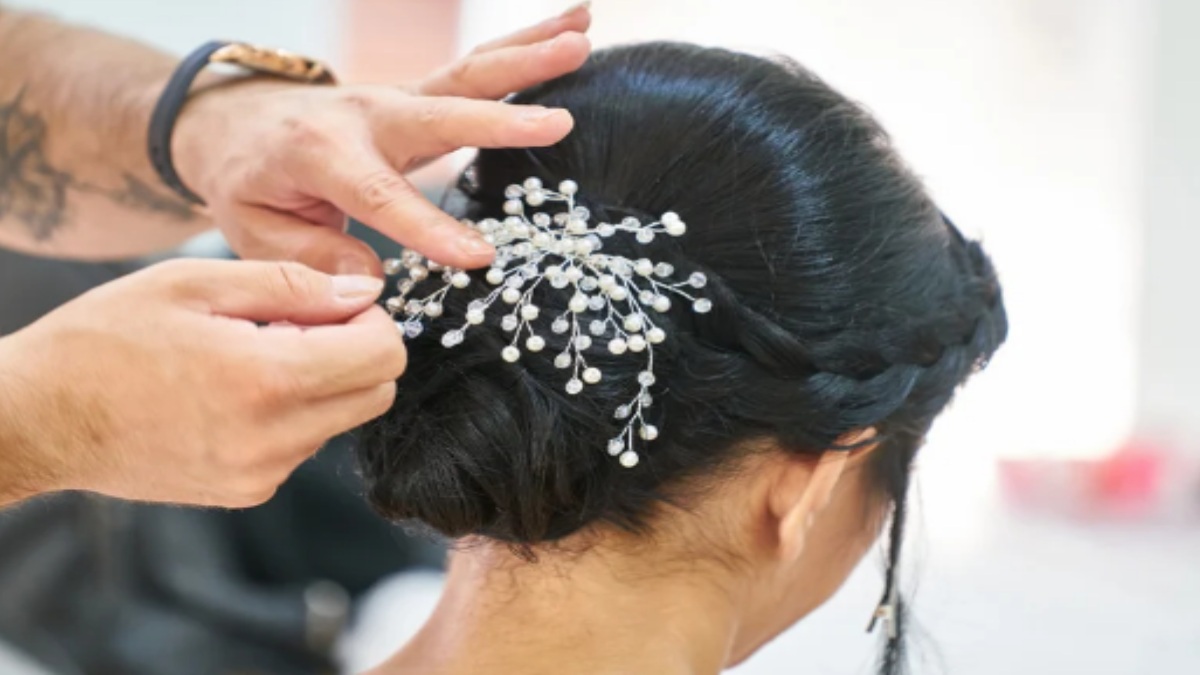
Black hair, particularly tightly curled and coily textures, can be more prone to dryness and breakage because natural oils may have a harder time travelling along the length of the hair. Protective styling can reduce the need for frequent combing, brushing and heat styling. However, a protective style should never cause pain, excessive tension or prolonged scalp discomfort.
Here are 10 stylish options to consider.
Related Articles

1. Box Braids
Box braids remain one of the most versatile protective hairstyles. Individual sections are braided from the roots and can be worn in different lengths, thicknesses and colours.
They can also be styled into ponytails, buns and half-up looks, making them suitable for both everyday wear and special occasions. Before installing box braids, make sure the hair and scalp are properly moisturised and avoid making the braids excessively tight.
2. Two-Strand Twists
Two-strand twists are a relatively simple protective option that can be created using natural hair or with added extensions. They can be worn for days or styled into larger updos.
Related Articles
Twists also offer flexibility because they can be unravelled to create a defined twist-out. Keeping the scalp clean and moisturised while the style is in place can help maintain comfort.
3. Cornrows
Cornrows are a classic style created by braiding hair close to the scalp. They can be arranged in straight lines, curves, geometric patterns or more elaborate designs.
Because cornrows can involve tension around the hairline, installation should be gentle. If you experience pain or a strong pulling sensation, the style may be too tight.
4. Knotless Braids
Knotless braids have become popular because they are typically installed without the traditional knot at the base of each braid. This can create a flatter, lighter-feeling finish.
They can be customised in different lengths and sizes and offer numerous styling possibilities. As with any braided style, protecting the hairline from excessive tension is important.
5. Faux Locs
Faux locs provide the appearance of traditional locs without requiring permanent loc formation. They can be created in various lengths, thicknesses and textures.
The finished style can be particularly striking while requiring relatively little daily manipulation. Proper installation is important because heavy extensions can place additional stress on the scalp and roots.
6. Passion Twists
Passion twists offer a softer, textured alternative to conventional twists. Their slightly undone appearance makes them popular for relaxed, bohemian-inspired looks.
They can be worn at different lengths and paired with scarves, beads or other accessories. Keeping the scalp comfortable and avoiding excessive product buildup can help maintain the style.
7. Flat Twists
Flat twists are created by twisting sections of hair close to the scalp. They can be worn as a complete hairstyle or used as the foundation for an updo or twist-out.
They are also a useful option for people who want a protective style without relying heavily on extensions. Flat twists can be adapted into intricate patterns or kept simple for an everyday appearance.
8. Bantu Knots
Bantu knots are created by sectioning hair and wrapping each section into a compact coiled knot. They are both protective and visually distinctive.
Once removed, Bantu knots can also leave the hair with a defined, textured pattern. They can be worn on their own or incorporated into other natural hairstyles.
9. Crochet Styles
Crochet hairstyles involve attaching extensions to cornrowed natural hair using a crochet technique. The method allows you to experiment with curls, twists, braids and loc-inspired textures.
Because much of the natural hair remains tucked away, crochet styles can reduce daily manipulation. Choosing a breathable installation and maintaining scalp hygiene are important for comfort.
10. Low-Tension Protective Updos
You do not always need extensions to create a protective style. A loose bun, tucked style or low-tension updo can protect the ends while giving the hair a polished appearance.
Use gentle accessories without sharp edges or tight elastic bands. Avoid repeatedly pulling the same sections of hair, particularly around the temples and hairline.
How to Care for Black Hair in a Protective Style
Protective styling does not mean ignoring your natural hair underneath. The scalp should remain clean, and the hair should receive appropriate moisture based on its needs.
A lightweight moisturising product can help prevent excessive dryness, while a satin or silk scarf or bonnet at night can reduce friction. A satin pillowcase can provide another option.
It is also important to give your hair and scalp breaks between installations. Keeping a style in for too long can contribute to tangling, buildup and breakage.
Avoid Hairstyles That Hurt
One of the most important rules of protective styling is that beauty should not come at the expense of scalp health. Tight braids, heavy extensions and repeated tension can contribute to hair breakage and traction-related hair loss.
Pain, headaches, bumps, significant tenderness or persistent pulling are signs that a hairstyle may be too tight. If you notice thinning around the hairline or ongoing scalp problems, consider removing the style and speaking with a dermatologist or qualified healthcare professional.
Protective Styling Can Be Both Practical and Creative
Protective hairstyles offer Black women and men countless ways to express personal style while reducing daily manipulation. Box braids, twists, cornrows, faux locs, crochet styles and natural updos can all be adapted to suit different preferences and occasions.
The healthiest protective style is one that is comfortable, installed gently and maintained properly. With the right approach, protective styling can become a practical part of a balanced natural hair-care routine while allowing you to experiment with beautiful and versatile looks.




Comments 0