
The way people are represented in media has a powerful influence on how society understands beauty, identity and belonging. For decades, people with darker skin tones have often been underrepresented or portrayed through limited stereotypes across films, television, advertising, fashion and beauty campaigns. Although the media landscape is changing, meaningful representation of dark skin remains an important conversation.
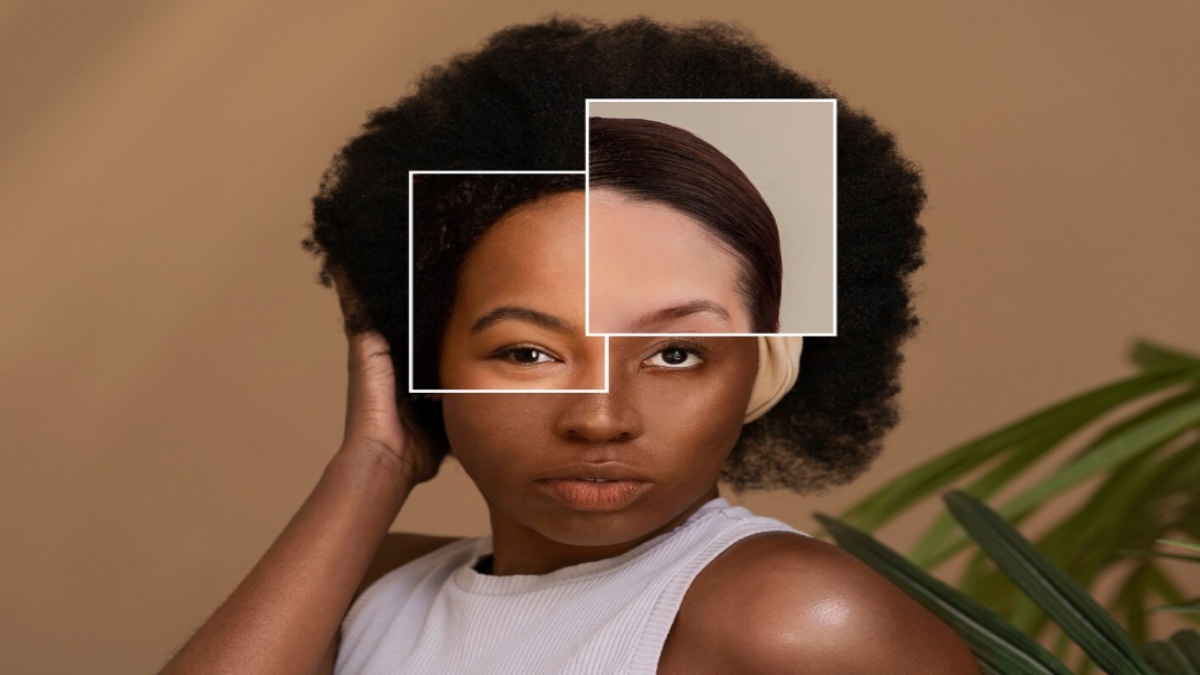
Representation is not simply about putting more faces of different skin tones on a screen or magazine cover. It is also about how those people are portrayed. Authentic representation allows individuals with dark skin to be shown as protagonists, professionals, romantic leads, trendsetters, athletes, creators and everyday people without their appearance being treated as a limitation or defining characteristic.
Why Dark Skin Representation Matters
Media can influence perceptions of attractiveness from an early age. When particular skin tones are repeatedly presented as the default standard of beauty, audiences may internalize the idea that some appearances are more desirable than others.
Related Articles


Greater visibility can challenge these narrow standards. Seeing people with a wide range of skin tones represented positively can reinforce the idea that beauty is not restricted to one complexion.
Representation also matters because darker skin is not a single category. There is an enormous range of brown and deep skin tones, with different undertones, textures and features. Inclusive representation should reflect this diversity rather than treating dark-skinned people as one homogeneous group.
The Impact of Colorism
Colorism refers to prejudice or discrimination based on skin tone, often within broader racial or ethnic communities. In some societies, lighter skin has historically been associated with beauty, social status or desirability.
Related Articles

Media can either reinforce these ideas or help challenge them.
When advertising, entertainment and fashion consistently favor lighter complexions, it can contribute to restrictive beauty ideals. Conversely, presenting darker skin confidently and positively can help broaden perceptions of beauty and encourage more inclusive conversations.
This does not mean replacing one beauty standard with another. The goal is to recognize that all skin tones deserve visibility and respect.
Beauty and Cosmetics Need Better Representation
The beauty industry has an especially important role to play. For years, people with deeper skin tones have sometimes struggled to find foundation shades, concealers and other products that match their complexions.
Representation in advertising should therefore extend beyond featuring diverse models. Brands need to demonstrate that their products genuinely work across a broad spectrum of skin tones.
Makeup campaigns that show different shades under realistic lighting can help consumers make more informed choices. Beauty professionals, photographers and creators also have opportunities to showcase techniques specifically suited to deeper complexions without suggesting that dark skin needs to be altered to look attractive.
Representation in Film and Television
Casting choices can have a significant cultural impact. Dark-skinned actors should have opportunities to portray complex characters across genres rather than being limited to specific roles based on appearance.
Strong representation means seeing darker-skinned characters as heroes, leaders, love interests, comic characters, parents, professionals and multidimensional individuals.
Storytelling also matters. A character's dark skin does not always need to be the subject of the story. Sometimes representation is most powerful when a person with dark skin simply exists within a story without their appearance being used as a plot device.
Fashion and Advertising
Fashion campaigns have considerable influence over contemporary beauty ideals. Runway shows, magazine covers, product campaigns and social media advertisements can help normalize a broader range of skin tones.
However, genuine inclusion requires more than occasional appearances. Dark-skinned models and creators should have consistent opportunities and should be photographed with lighting and styling that accurately represent their complexion.
Brands can also work with creative teams who understand how different skin tones respond to photography, makeup and lighting.
Social Media Is Changing the Conversation
Social media has given creators more control over their own representation. Influencers, photographers, makeup artists and content creators with dark skin are producing their own images and challenging traditional beauty standards.
These creators can reach audiences directly without depending entirely on traditional media gatekeepers.
At the same time, social media can reproduce harmful beauty standards through filters, editing and color-altering technologies. Consumers should therefore remain aware that online images may not always represent real skin accurately.
Representation Should Be Authentic
Token representation is not enough. Authentic inclusion involves giving people with different skin tones meaningful opportunities both in front of and behind the camera.
Casting directors, photographers, editors, makeup artists, stylists and brand executives all contribute to what audiences ultimately see.
Companies can make representation more meaningful by investing in diverse talent, expanding product ranges and listening to consumers whose needs have historically been overlooked.
The Future of Inclusive Representation
The media landscape has made progress, but there is still room for improvement. The next step is moving from occasional diversity campaigns toward consistent and normalized representation.
Children and young adults deserve to grow up seeing people who look like them represented positively across entertainment, fashion, advertising and other forms of media.
Ultimately, representation is about more than appearance. It is about belonging, opportunity and the freedom to define beauty on broader and more inclusive terms.
Representation of dark skin in media can play an important role in challenging narrow beauty standards and creating a more inclusive cultural landscape. Visibility matters, but authenticity, diversity and equal opportunity matter just as much.
When people of every complexion are represented as multidimensional individuals not stereotypes or exceptions media becomes a more accurate reflection of the world.
Celebrating dark skin is not about creating a new hierarchy of beauty. It is about making space for the full spectrum of human appearance and ensuring that everyone can see themselves represented with dignity, confidence and respect.




Comments 0