
When temperatures get above 40°C (104°F) sunscreen is one of the toughest challenges. UV radiation is intense, humidity and sweat are strong and exposure to long-term UV exposure can put even high-SPF products to the test. But does an SPF 50 sunscreen really work in the hot Dubai summer.
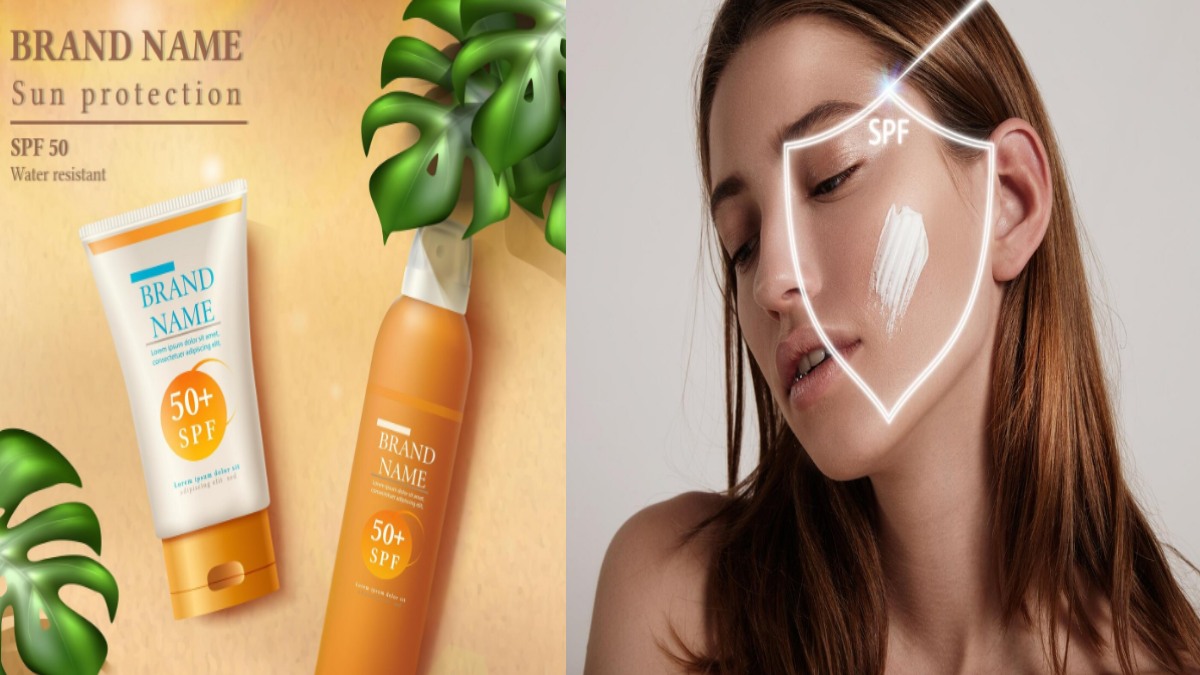
To know, we evaluated a broad-spectrum SPF 50 sunscreen in a manner similar to a typical summer day in Dubai. And instead of focusing on a single brand, we discuss the qualities that matter most when it comes to the sunscreen for very hot climates.
Why Dubai’s Summer Is a True Sunscreen Test
Dubai receives long hours of sunshine, UV rays and temperatures that often exceed 40°C in the summer. In the presence of reflective surfaces such as sand, glass buildings and concrete, the skin receives a lot of UV radiation.
Related Articles


In such conditions, sunscreen is not just a beauty product; it’s a must for sun protection. Most dermatologists recommend using a broad spectrum sunscreen with at least SPF 30 as well as SPF 50 to have higher UVB protection when used correctly.
First Impressions: Texture and Application
The sunscreen tested was light-weight, lotion-like and spread evenly over the skin. And once it was in the skin it didn’t hurt to swallow it and it doesn’t taste dry or greasy.
One of the biggest concerns with high-SPF sunscreens is the possibility of a noticeable white cast. In this case, the product was well blended after application (although results could vary with the formulation and skin tone).
Related Articles
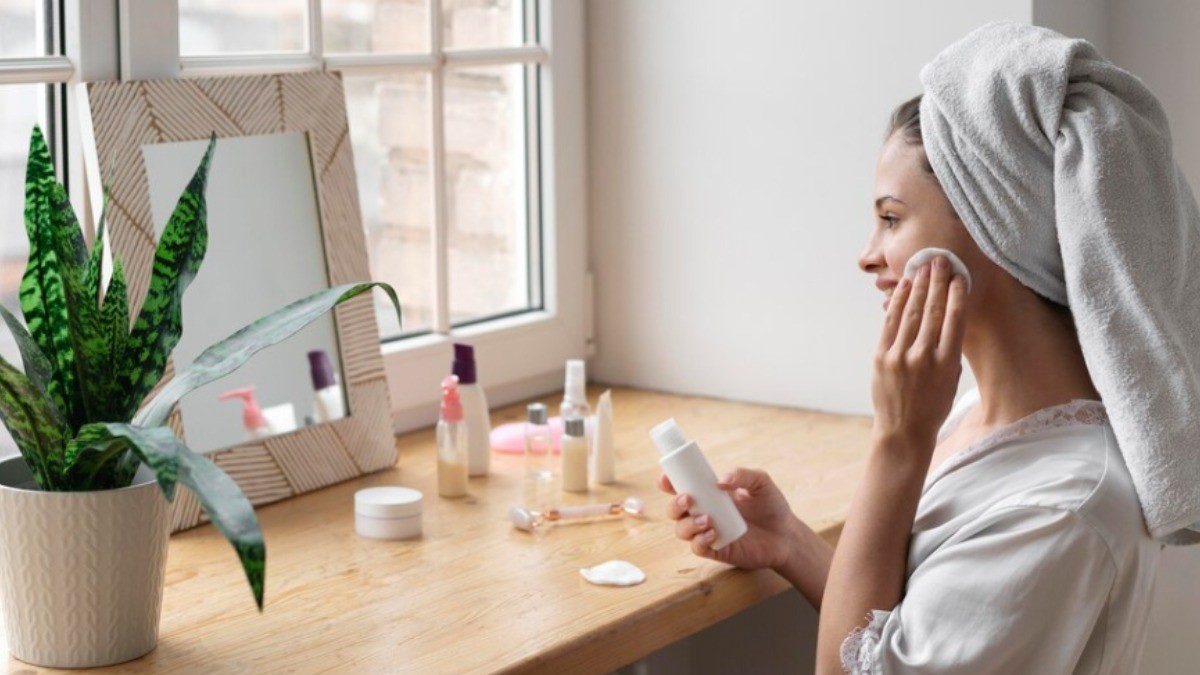

The finish was comfortable enough to wear on a daily basis or on its own.
Performance in Extreme Heat
As we worked out in the hot weather the sunscreen didn’t feel too sticky on our skin.
Sweating naturally reduced the freshness of the application over time, but the product did not noticeably pill or separate. This highlights an important point: no sunscreen is designed to provide all-day protection after a single application.
Experts recommend reapplying sunscreen at least every two hours during extended sun exposure and more frequently after swimming, heavy sweating, or towel drying.
Sweat and Water Resistance
Many sunscreens are water-resistant for either 40 or 80 minutes. Water resistance does not mean waterproof.
The sunscreen remained reasonably comfortable through light perspiration during the evaluation. However, when the sweating is very strong, reapplication was necessary to provide sufficient protection.
Spending prolonged hours outside, exercising and visiting the beach should be covered by sunscreen for touch-ups.
Skin Comfort throughout the day
A good sunscreen should feel comfortable enough that you’re going to want to wear it every day.
The comfort of this SPF 50 formula was good. It didn’t feel heavy and there was no tightness after application. People with oily skin still may prefer lightweight gel or fluid formulations, and those with dry skin may prefer moisturizing sunscreen lotions.
For each skin type, it’s just as important to choose sunscreen for your skin type as it is to choose the SPF level.
Understanding SPF 50
SPF measures protection against UVB rays, which are primarily responsible for sunburn. An SPF 50 sunscreen filters approximately 98% of UVB radiation when applied in the recommended amount.
But sunscreen effectiveness is dependent on a number of factors:
- Applying enough product on the exposed skin
- Choose a broad-spectrum sunscreen that also protects against UVA rays
- Reapplying regularly
- Checking expiration dates
- Storing sunscreen away from excessive heat
No sunscreen can block 100% of UV rays.
Additional Sun Protection Tips
Sunscreen is best when combined with other protective measures:
- Wear sunglasses with UV protection
- Use a wide-brimmed hat when outdoors
- Seek shade whenever possible, especially during peak afternoon hours
- Wear lightweight clothing with tightly woven fabrics
- Stay hydrated in hot weather
The benefits of these are that overall UV exposure is lessened and long-term skin damage is less likely.
Based on this evaluation, a good SPF 50 sunscreen works well in the summer like we are getting here in Dubai (as long as it is used correctly). Its lightweight texture and easy finish, and the ability to withstand heat in the day-to-day were ideal for regular use.
But sunscreen is not enough to guarantee the protection from direct sun in extreme heat. The ability to reapply sunscreen regularly, to cover in protective clothing and to limit direct sun exposure in the hottest UV hours remains extremely important to an effective sun safety regime.
A good broad-spectrum SPF 50 sunscreen can be a great companion for your skin protection in the summer.




Comments 0