
Some people think that darker skin tones don’t need sunscreen as they have no need for sunscreen because of their melanin. Melanin does protect against the UV rays from the sun, but it’s not a full protection. Medium to deep skin tones may still suffer from sun damage, hyperpigmentation, premature aging and even skin cancer.
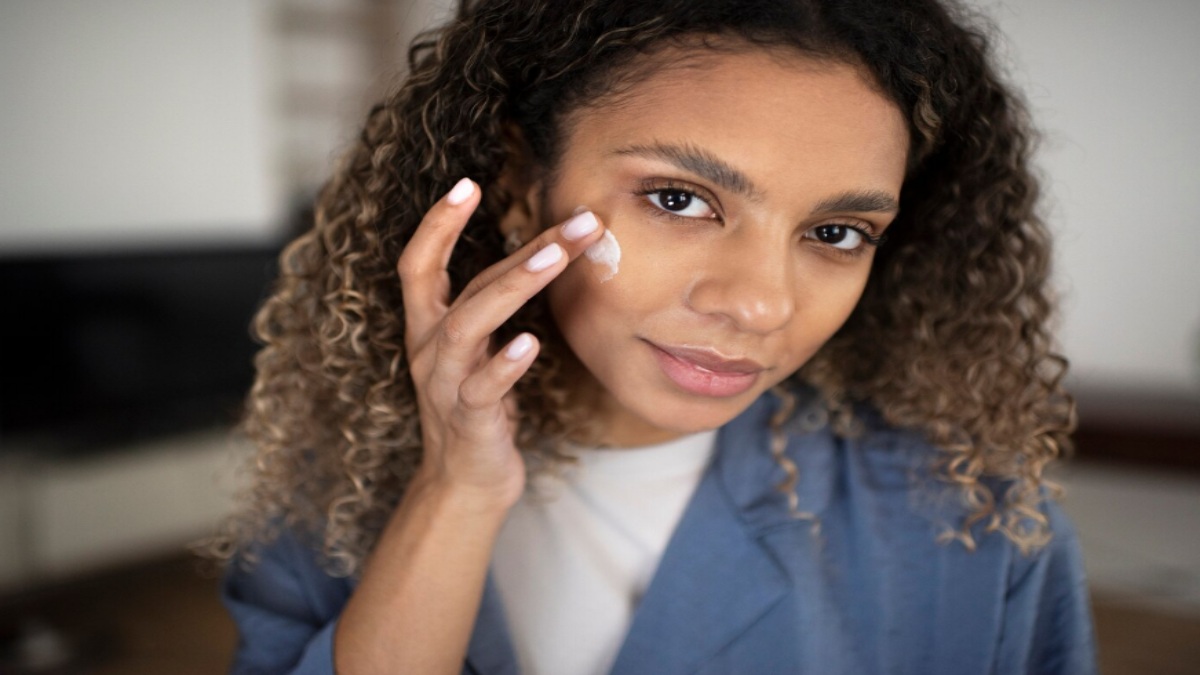
As a skin complexion is not only a skin care habit, it is also essential to protect your skin from UV rays from exposure to UV rays, even if your skin is not exactly glowing. Understanding what the sun does to melanin-rich skin can help you make educated decisions to manage healthy skin throughout the year.
Does Darker skin need sunscreen
The answer is yes.
Related Articles


Melanin is a natural shield that absorbs some UV radiation, which reduces but does not eliminate the risk of sunburn. Still, the long exposure to UVA and UVB rays can damage skin cells.
People with darker skin may get fewer sunburns than those with lighter skin, but they are still susceptible to:
- Hyperpigmentation and dark spots
- Uneven skin tone
- Premature wrinkles and fine lines
- Sun-induced skin aging
- Skin cancer, which is often diagnosed at a later stage
Daily sunscreen use minimizes these risks and is very helpful for skin health.
Related Articles


How UV rays affect Melanin-rich skin
There are two main types of ultraviolet rays that affect the skin:
UVA Rays
These rays penetrate deep into skin and are responsible for premature aging, collagen breakdown and pigmentation changes.
UVB Rays
These mostly affect the outer layer of the skin and are responsible for sunburn. They also cause DNA damage that can increase skin cancer risk.
Even on cloudy days or when you are in a room near windows, UVA rays penetrate glass and continue to affect your skin.
Choosing the Right Sunscreen
When selecting sunscreen for darker skin tones, look for products that provide:
- Broad spectrum protection against UVA and UVB rays
- SPF 30 or higher for everyday use
- Water-resistant formulas for outdoor activities
- Lightweight, non-greasy textures
- Invisible or sheer finish to avoid a white cast
We are seeing more recently developed sunscreen formulations including tinted mineral sunscreens and clear chemical sunscreens that are designed to work well with deeper skin tones while providing protection.
What are some tips for applying sunscreen correctly
Applying sunscreen is just as important as selecting the right product.
- Apply sunscreen 15–20 minutes before sun exposure
- Use a generous amount to cover the face, neck, ears, lips and other exposed areas
- Reapply every two hours when outdoors
- Reapply after swimming, sweating, or towel drying
- Don’t forget commonly missed areas like the hands, scalp (if exposed), lips, and feet
Consistent application provides more protection than occasional use.
Additional Sun Protection Measures
Sunscreen is most effective when combined with other sun-safe habits.
Wear protective clothing like long sleeves, wide-brimmed hats and sunglasses with UV protection. Seek shade whenever possible, especially between 10 a.m. and 4 p.m., when the sun's rays are strongest.
Using umbrellas for outdoor activities and avoiding prolonged direct sunlight can also reduce UV exposure.
Managing Hyperpigmentation
One of the most common issues for people with darker skin tones is post-inflammatory hyperpigmentation (PIH). Acne, insect bites, eczema or minor injuries leave behind dark marks that are more visible after sun exposure.
Daily sunscreen use helps keep these spots from getting darker and helps them fade faster when combined with dermatologist-recommended treatments like vitamin C, niacinamide, azelaic acid, or retinoids.
Sun protection in every season
Many people associate sunscreen only with summer, but UV rays are present throughout the year. Whether it's winter, monsoon, or a cloudy day, your skin is still exposed to UV rays.
Daily sunscreen application should be a year-round habit, even if we spend most of our time indoors or commuting.
Healthy Habits for Glowing Skin
In addition to sunscreen, maintain a balanced skincare routine by cleansing gently, moisturizing regularly, drinking plenty of water, eating antioxidant-rich foods, and avoiding smoking. These habits keep the skin barrier healthy and enhance skin quality.
If you find unusual moles, persistent changes in the skin or patches that do not heal, see a dermatologist for a professional evaluation.
Darker skin tones contain more melanin, but they are not immune to sun damage. You need sunscreen to protect against hyperpigmentation, premature aging and harmful UV exposure. By choosing a broad-spectrum sunscreen, applying it correctly, and practicing additional sun-safe habits, you can keep your skin healthy, even-toned and glowing for years to come.




Comments 0