
Shea butter has been used for generations as a natural moisturising ingredient, and today it remains a popular choice in skincare and haircare products. Extracted from the nuts of the shea tree, which grows primarily in parts of Africa, shea butter is rich in fatty acids and contains naturally occurring compounds such as vitamin E and other antioxidant components.
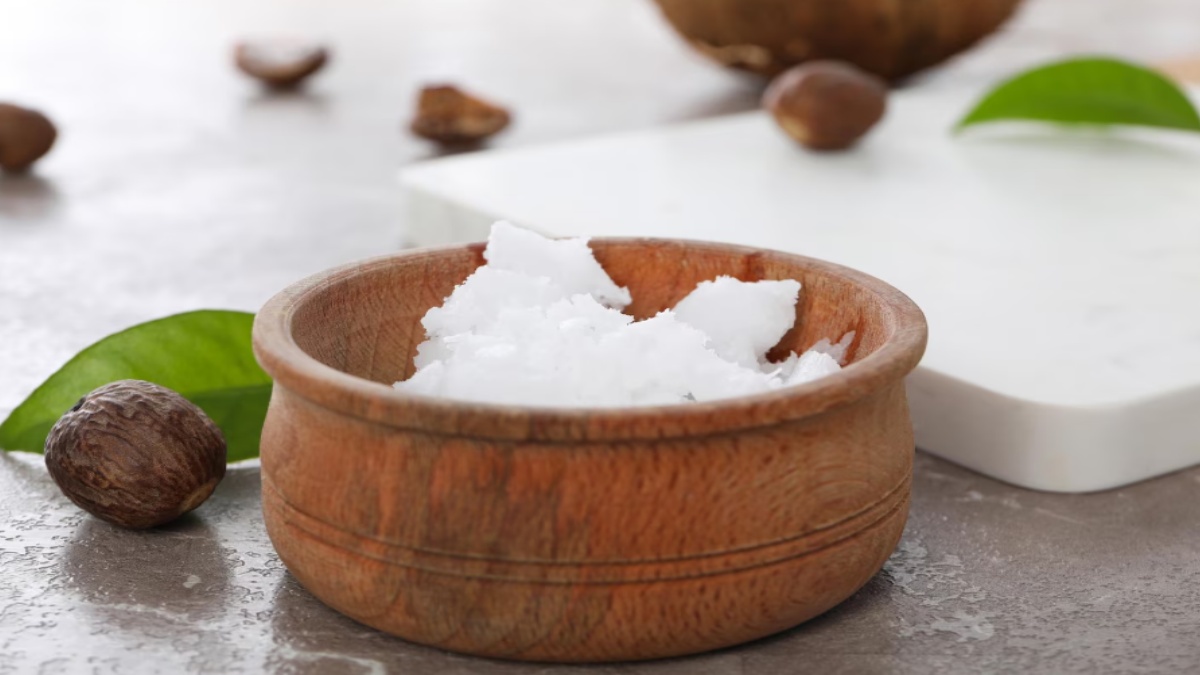
Its creamy texture and moisturising properties make it particularly useful for people dealing with dry skin, rough patches or dry, textured hair. From body creams and lip balms to conditioners and hair masks, shea butter can be found in a wide range of beauty products. Here are some of the key benefits of adding shea butter to your hair and skin routine.
1. Provides Deep Moisturisation
One of the biggest benefits of shea butter is its ability to moisturise the skin. Its rich fatty-acid content helps soften the skin and supports the skin barrier, which can reduce the feeling of dryness and tightness.
Related Articles
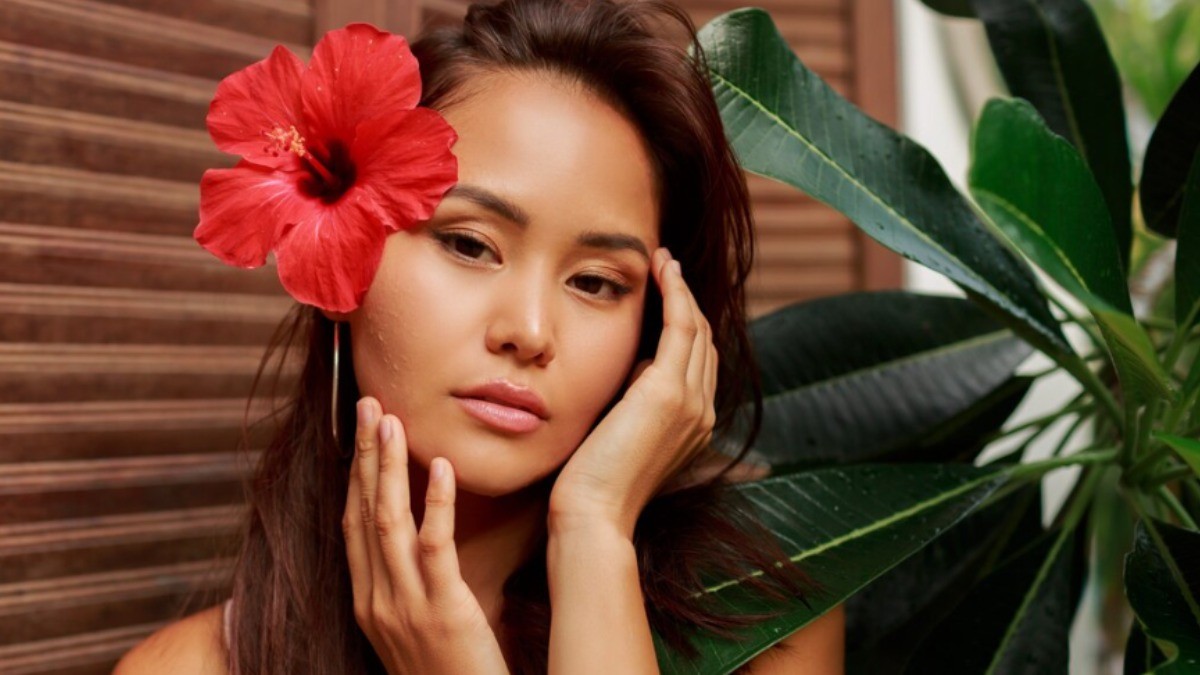

It can be especially useful on areas that tend to become rough, such as the elbows, knees, heels and hands. Applying a small amount after bathing can help lock in moisture and leave the skin feeling smoother.
2. Helps Soothe Dry and Irritated Skin
Shea butter has emollient properties that can help make dry and uncomfortable skin feel softer and more comfortable. Its nourishing texture can be helpful during periods when the skin feels particularly dry because of cold weather, frequent bathing or low humidity.
However, people with persistent redness, itching, rashes or other skin problems should not rely on shea butter alone. A dermatologist can determine the underlying cause and recommend appropriate treatment.
Related Articles
3. Supports the Skin Barrier
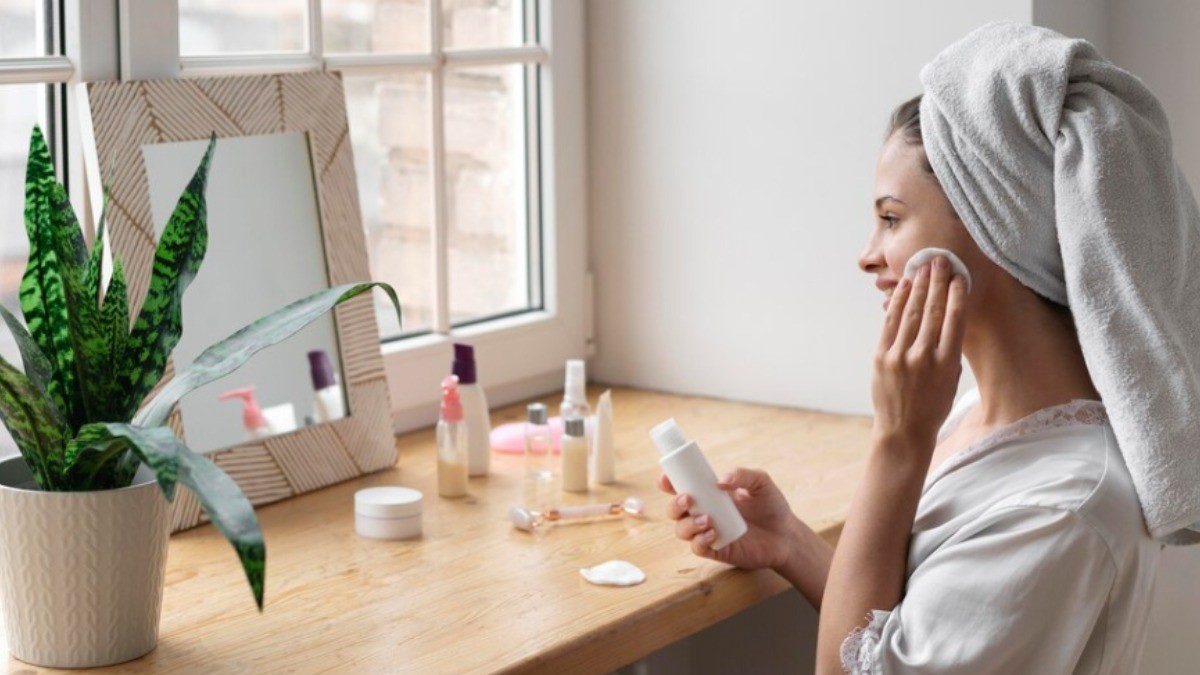
A healthy skin barrier helps prevent excessive moisture loss and protects the skin from everyday environmental stressors. The fatty acids in shea butter can help condition the skin and support its moisture barrier.
For this reason, shea butter can be a useful ingredient in moisturisers designed for dry or rough skin. It can also be combined with other hydrating ingredients in a broader skincare routine.
4. May Help Soften Rough Skin
Regular moisturisation can improve the appearance and feel of rough skin. Shea butter can make areas such as feet, knees, elbows and hands feel noticeably softer.
For particularly dry heels, a thicker layer can be applied at night, followed by comfortable cotton socks. This can help keep the moisturiser in contact with the skin for longer.
5. Nourishes Dry Hair
Shea butter can also be beneficial for hair, particularly hair that is dry, coarse, curly or textured. Its emollient properties can help coat the hair shaft, making strands feel softer and reducing the rough sensation associated with dryness.
A small amount can be applied to the lengths and ends of the hair. Using too much, however, may leave the hair greasy or weighed down.
6. Helps Reduce the Appearance of Frizz
Dryness can contribute to frizz and a lack of definition, particularly in curly and textured hair. Shea butter can help smooth and condition the hair, potentially making it appear more manageable.
It can be particularly useful as part of a pre-shampoo treatment or as a small amount of leave-in conditioning product. People with fine or oily hair may prefer lighter formulations containing smaller amounts of shea butter.
7. Helps Protect Hair from Dryness
Hair is exposed to several factors that can contribute to dryness, including frequent washing, heat styling, sun exposure and environmental conditions. Shea butter can provide a conditioning layer that helps hair feel less dry.
It should not, however, be considered a replacement for dedicated heat-protection products when using straighteners, curling irons or other high-temperature styling tools.
8. Can Condition the Scalp
A dry scalp may benefit from gentle moisturisation. Shea butter-based products can help soften dry skin and reduce the uncomfortable feeling associated with dryness.
If scalp flaking is persistent or accompanied by significant itching, redness or inflammation, it is better to seek professional advice rather than simply applying more oil or butter.
How to Use Shea Butter Safely
When using pure shea butter, start with a small amount because it is highly concentrated and rich. For the skin, warm a pea-sized quantity between your fingertips and gently massage it onto slightly damp skin.
For hair, melt a small amount between your palms and distribute it primarily through the mid-lengths and ends. A hair mask can also be made by combining shea butter with another suitable conditioning ingredient.
Before applying a new product extensively, perform a patch test, particularly if you have sensitive skin or a history of cosmetic reactions. Stop using it if irritation develops.
Shea butter is a versatile natural ingredient that can benefit both hair and skin. Its moisturising and conditioning properties make it especially useful for dry skin, rough areas and hair that needs additional softness and nourishment. While it can be a valuable addition to a beauty routine, it works best when used appropriately for your skin type and hair texture.
Choosing a quality product and using a small amount can help you enjoy the benefits without leaving the skin greasy or the hair weighed down. As with any cosmetic ingredient, persistent skin or scalp concerns should be evaluated by a qualified healthcare professional.




Comments 0