
Cold winter mornings may call for extra caution especially if you’re older and have high blood pressure, diabetes or heart disease. “Lower temperatures slow down blood circulation,” says neurologist Deep Das, “and increase blood pressure which puts more stress on the heart.”
In an interview with HT Lifestyle Dr Das, consultant and interventional neurologist at CK Birla Hospitals, CMRI Kolkata explained how cold weather could affect stroke risk and shared precautions people can take during winter.
Cold temperatures don’t cause a stroke but they increase the risk if you already have health problems. Physical activity, diet and irregular medication use during winter make existing health problems harder to control.
Related Articles
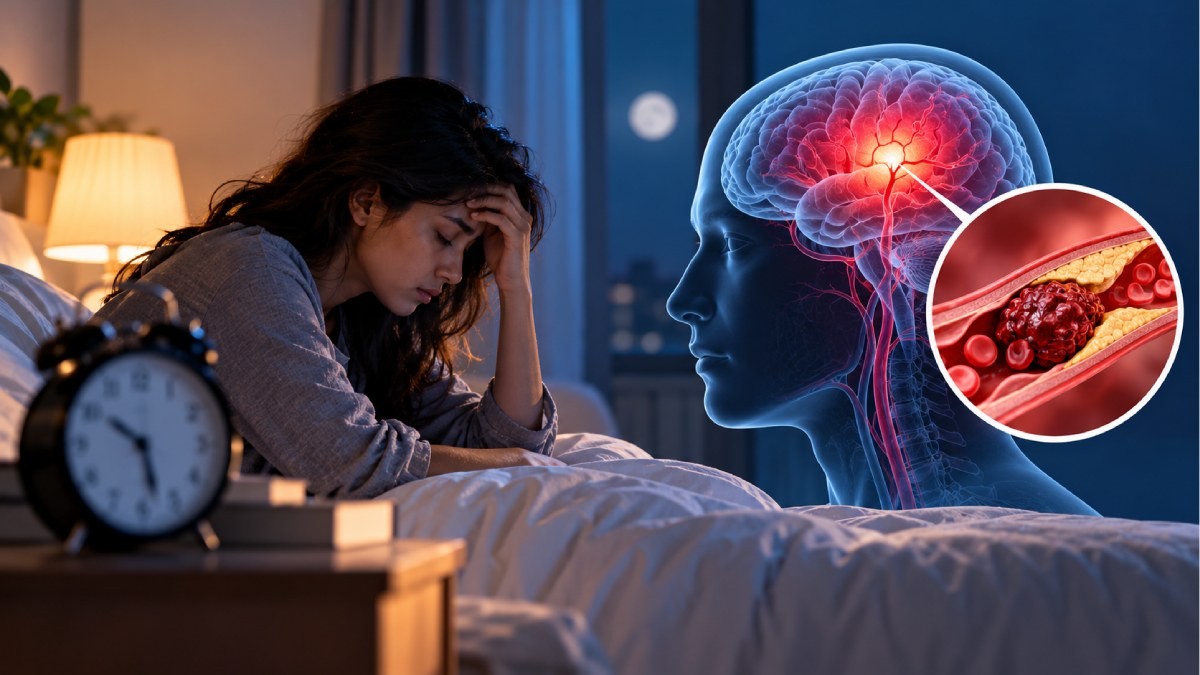

Why Can Winter Mornings Increase Stroke Risk?
When the body is exposed to cold temperatures blood vessels narrow (vasoconstriction). This helps the body conserve heat but also increases blood pressure.
Blood pressure may already be higher during the colder months in some people. The added burden on the cardiovascular system can be especially problematic for older adults and people with hypertension or other risk factors.
Dr Das said people with high blood pressure, diabetes, high cholesterol and heart disease should be extra careful in winter. Smoking can also increase the risk of stroke.
Related Articles
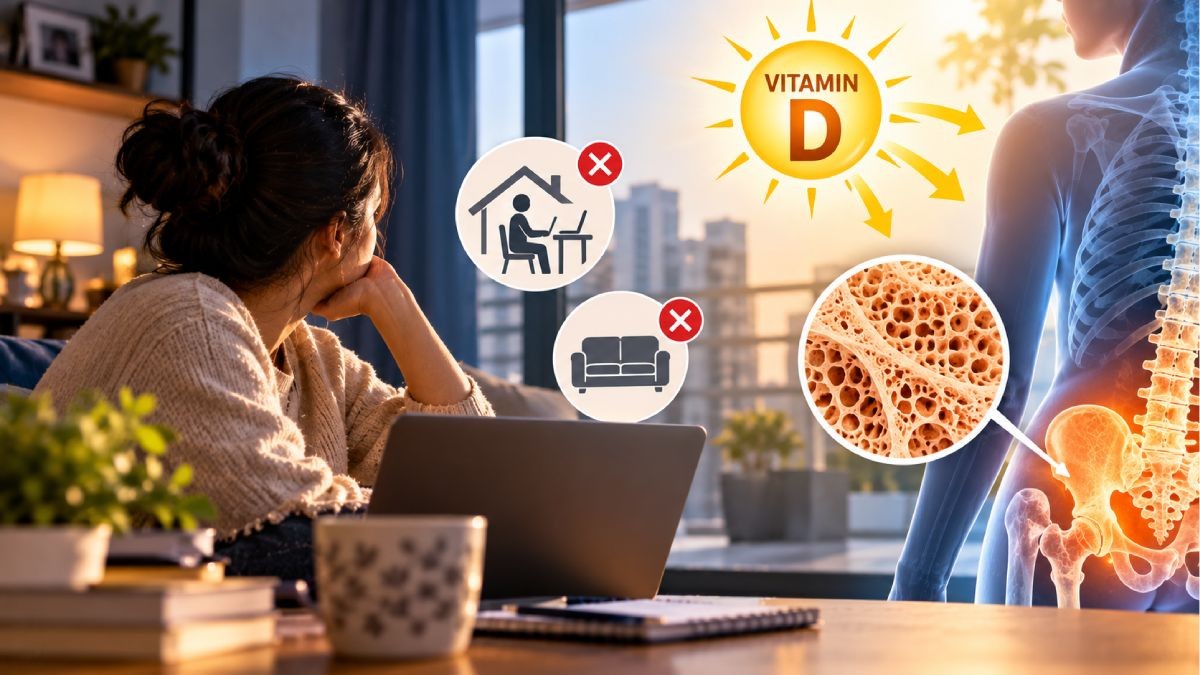

Daily routines may also add to these concerns. People are less physically active in colder weather; changes in food habits and missed medication doses can affect blood pressure control.
However, the doctor said cold weather doesn’t guarantee a stroke either. Individual health conditions and lifestyle also come into play.
Who Should Be More Careful During Winter?
Certain groups may need to take extra precautions when the temperature drops. These include:
- Older people (especially those with existing health problems).
- People diagnosed with high blood pressure.
- Individuals living with diabetes.
- People with high cholesterol.
- Those with a history of heart disease or stroke.
- Individuals who smoke.
People in these groups should listen to their doctor’s advice, have health check-ups regularly and monitor conditions such as blood pressure and blood sugar as advised.
Precautions to Take Before Going Out on Cold Mornings
Dr Das said people should not suddenly change from a warm indoor environment to very cold outdoor conditions (especially when planning exercise).
Here are some precautions that may help:
1. Wear warm clothing in layers
Dress appropriately before you go outside. Cover up exposed skin and wear winter clothing if possible to reduce exposure to cold temperatures. Give your body time to adjust before starting outdoor activities.
2. Avoid sudden strenuous exercise
People who aren’t used to exercise should not start their morning with an intense workout or a hard walk in cold weather. Start slow and choose an activity that fits your health and fitness level.
3. Monitor blood pressure regularly
People with hypertension should check their blood pressure as directed by their doctor. Recording readings can alert you to any unusual changes that might need medical attention.
4. Take prescribed medication consistently
Don’t stop taking blood pressure or heart medication just because you feel well. Don’t change the dosage or stop prescribed medicines without talking to a doctor first.
5. Manage existing health conditions
People with diabetes, high cholesterol and cardiovascular disease need to keep regular check-ups and follow their treatment plans. Keeping these conditions under control is part of reducing stroke risk.
6. Maintain regular physical activity
Cold weather shouldn’t be an excuse to not exercise at all. Exercise in a way that is healthy for you. If outdoor conditions are very cold then exercise indoors instead.
Recognising the Warning Signs of a Stroke: Remember BE FAST
“Early detection of stroke symptoms is important because treatment needs to be started quickly,” says Dr Das. “Use the BE FAST approach (beginning with E) to remember the major warning signs.”
- B – Balance: Sudden loss of balance, coordination or difficulty walking.
- E – Eyes: Sudden blurred vision, double vision or loss of vision.
- F – Face: One side of face droops suddenly or becomes numb.
- A – Arms: Sudden weakness or numbness in an arm or leg (usually on one side of the body).
- S – Speech: Slurred speech, trouble speaking or trouble understanding words.
- T – Time: Get emergency medical assistance right away.
Sudden, severe headache or unexplained confusion can also be signs of stroke.
Don’t ignore symptoms even if they go away within a few minutes temporary symptoms can be a transient ischaemic attack (TIA) sometimes called mini stroke and require urgent medical attention.
If someone has a stroke call emergency services immediately. Remember when the symptoms first appeared and don’t wait to see if the person recovers on his own.
Small Daily Habits Can Help Reduce Stroke Risk
Winter doesn’t mean people stop their regular routines but those at higher risk should take sensible precautions. Consistency in medication schedules, physical activity, dressing appropriately and avoiding extreme cold exposure can help manage seasonal health risks.
People with hypertension need to be monitored for blood pressure readings. If they are unusual (high or low) then these should be discussed with a doctor and not self-medicated away.
Healthy eating, avoiding tobacco and managing diabetes and high cholesterol are all part of long-term stroke prevention as well.
First of all, people need to learn about the warning signs of a stroke. If symptoms are spotted quickly and emergency medical care is sought then complications can be reduced.

Comments 0