
Halloween is known for spooky costumes, carved pumpkins, haunted houses and trick-or-treating — but behind these colourful celebrations is a spiritual history linked to ancient beliefs about souls, ancestors, death and the afterlife. Halloween (celebrated every year on October 31) has Celtic roots and Christian observances that remember the dead and understand the relationship between the physical world and spirit world.
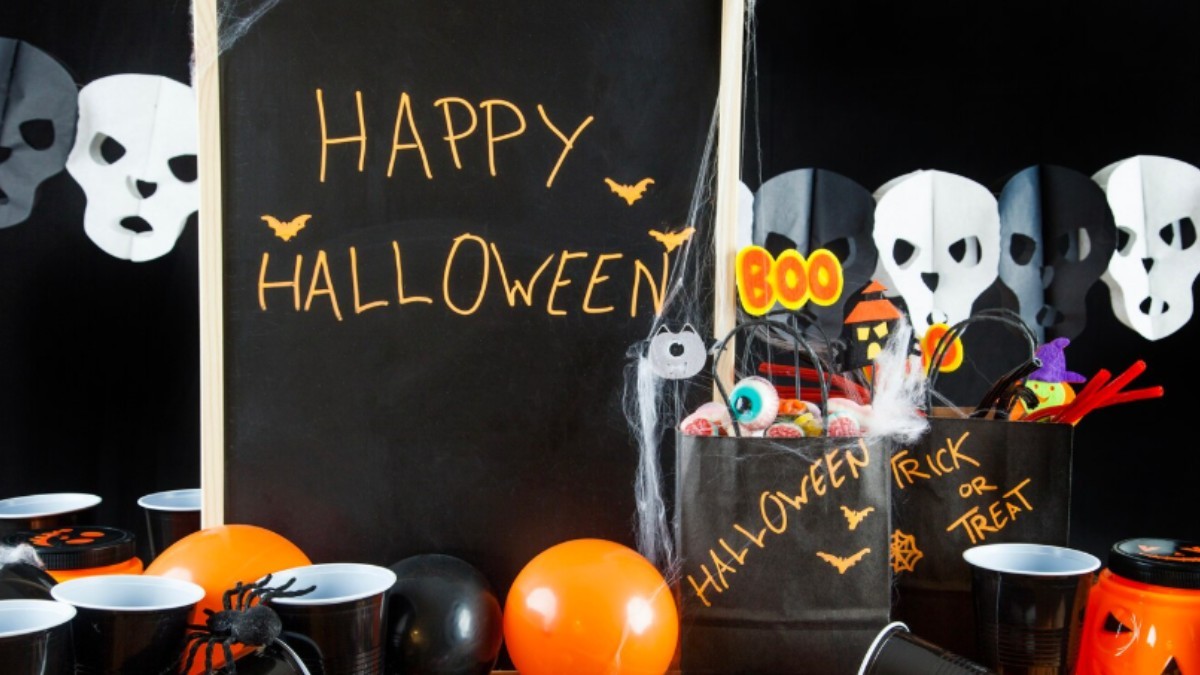
While modern Halloween is largely a cultural celebration, its origins reveal how different communities understood life, death and the unseen world.
1. Samhain: The Ancient Spiritual Beginning of Halloween
Samhain is the Celtic New Year celebrated on November 1st and 2nd. It is also known as Hallowe’en in many countries around the world. Samhain means ‘summer’s end’. It’s the ancient spiritual beginning of Halloween.
Related Articles
The spiritual history of Halloween is usually associated with Samhain — an ancient Celtic festival celebrated in Ireland, Scotland and parts of Britain.
Samhain was the end of harvest and the beginning of winter. Ancient Celtic communities felt that this seasonal change was a special time when the boundary between the living world and spirit world thinned out.
Their belief was that spirits of deceased family members could return to visit the living. People sat around bonfires, did traditional rituals and remembered their ancestors.
Related Articles


These customs expressed their view of death, nature and the spiritual world.
2. Why Were Souls And Spirits Connected To October 31?
In ancient Celtic lore, October 31 was a special night because it signaled the change into winter.
People thought that supernatural beings and spirits could move more freely during this period. Some communities used masks and disguises because they thought these could protect them from unwanted spirits.
Bonfires were important too. They were associated with protection, warmth and purification during the changing season.
These practices were based on traditional beliefs and folklore rather than scientifically established events.
3. The Christian Connection: All Saints' Day and All Souls' Day.
Halloween also has a connection to Christian religious traditions.
Halloween comes from All Hallows’ Eve (the evening before All Saints’ Day).
The three important dates are:
- 31 October – All Hallows’ Eve: The night before the Christian celebration of All Saints’ Day.
- November 1 – All Saints’ Day: A day to honour saints and holy people.
- November 2 – All Souls’ Day: A day traditionally observed to remember and pray for the departed.
These observances focus on faith, remembrance, prayer and belief in life after death.
4. The Spiritual Meaning of Light and Darkness
Bonfires and candles have been a part of Halloween’s history for a long time.
Fire was a symbol of warmth, protection and light during the dark months in ancient seasonal celebrations. From a spiritual point of view light is often seen as hope, guidance and positivity.
Darkness meanwhile has been associated with uncertainty, mystery and the unknown.
Taken together these symbols express humanity’s long-standing curiosity about life, death and what might exist beyond the physical world.
5. Why Do People Remember Their Ancestors?
Remembering deceased family members is part of several cultural and religious traditions around the world.
Halloween’s link with Samhain reflects an ancient custom of remembering ancestors and those who have died.
Similarly All Souls' Day encourages Christians to pray for the departed.
Although traditions are different, both remind us of family members we’ve lost; respect for previous generations; and that people have an emotional bond with those who are no longer alive.
6. Is Halloween Considered a Spiritual Festival?
Halloween doesn’t have the same spiritual meaning for everyone.
Some people associate it with Celtic ancient traditions and beliefs about spirits. Others follow the Christian religious days associated with All Hallows' Eve, All Saints' Day and All Souls' Day.
Many people just like Halloween as a cultural event (costumes, decorations and entertainment).
Also remember that modern Halloween activities do not automatically involve spiritual or religious practices.
7. What Can We Learn From Halloween’s Spiritual History?
Halloween’s deeper history tells us people everywhere have always wondered about death, the afterlife and generations.
Its traditions prompt reflection on remembrance, faith, family and mysteries of existence.
Instead of seeing Halloween as a night of scary costumes and decorations, knowing its spiritual background gives us another lens to view the festival through.
Conclusion: Halloween Is More Than a Festival of Fear
Halloween has grown from ancient seasonal customs and religious observances to a global celebration but its spiritual origins are tied to beliefs about souls, ancestors, remembrance and life after death.
From Celtic festival Samhain to Christian observances of saints and souls departed October 31 has a rich history.
Behind the pumpkins, costumes and spooky decorations is a centuries-old human tradition of reflection on life, death and mysteries of the spiritual world.
Comments 0