
A healthy relationship can be seen as a source of comfort, trust and emotional security. But for some people, being in a good relationship is very uncomfortable. Rather than experiencing closeness, they get anxious, withdraw emotionally, get into unnecessary conflicts and start questioning whether the relationship is really right for them.

This behaviour is sometimes referred to as self-sabotage the patterns of thoughts or actions that can unintentionally damage something a person actually values.
Why is it so scary for a good relationship?
Related Articles
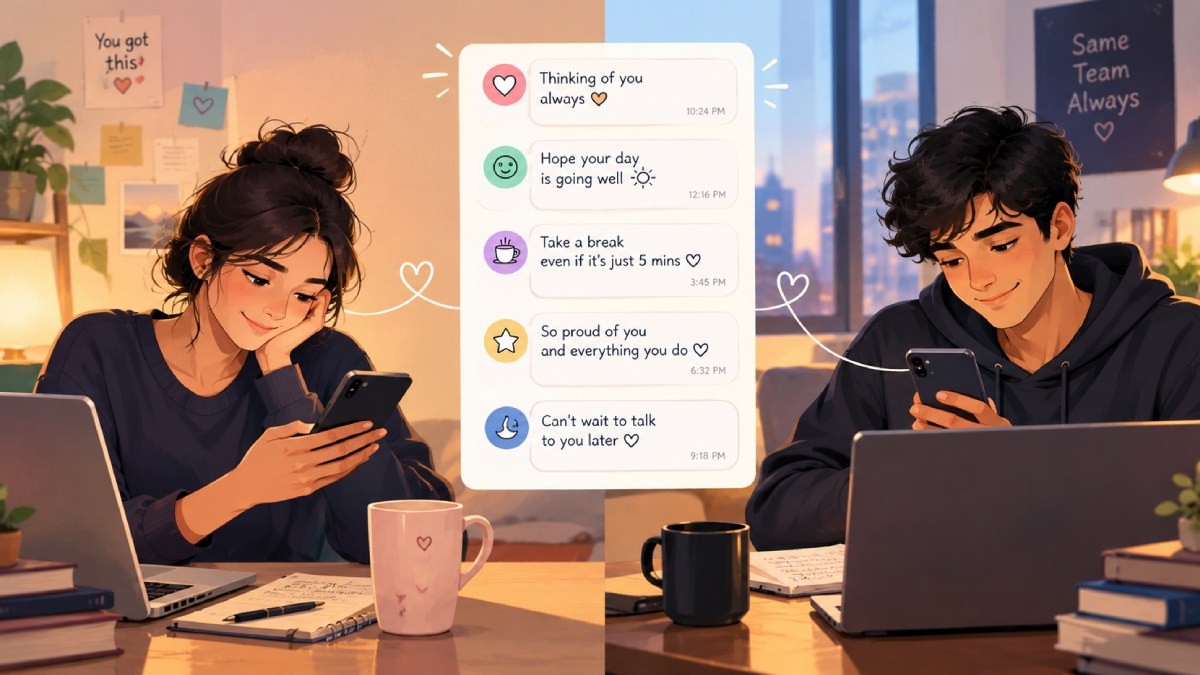

Familiarity can feel safer than happiness
People are just so comfortable with what they know, and even when what they know is unhealthy, people are comfortable with what they know. If someone has experienced inconsistent affection, conflict or emotional uncertainty in previous relationships, stability may be foreign at first appearance.
A caring partner who communicates openly may thus lead to anxiety rather than comfort. The mind may interpret a new emotional safety issue as something that needs to be questioned.
Fear of vulnerability
A good relationship is based on an open heart. People with feelings, having a need and having another person become an important person can feel very exposed.
Related Articles


The closer the relationship becomes, it seems like there’s a lot at stake. Some people act on it: they take emotional distance to mask that vulnerability. They stop talking, are too independent or do not want the relationship, or they have the idea that the relationship is not that important.
Fear of getting hurt
Past heartbreak affects people’s way of approaching new relationships. Someone who is betrayed, rejected or abandoned before may expect that the same thing will happen again.
When a relationship starts to get serious, old fears can come back. Rather than waiting to see what happens first, a person will unconsciously push their partner away first because ending the relationship themselves feels more controllable than getting hurt suddenly.
Overthinking every problem
Self-sabotage can also be a constant assessment. A person can obsessively focus on small disagreements, their partner’s habits or the little changes in communication and interpret them as a strong indication that something is wrong.
Hence the importance of detecting genuine relationship problems, but if too much overthinking takes place, we treat the normal differences as warning signs too.
Creating conflict or emotional distance
Some people may unconsciously test their partner’s love by starting arguments, becoming distant or repeatedly seeking reassurance. When the relationship becomes more emotionally intimate, others may suddenly lose interest.
Such behaviours don’t necessarily mean someone does not love their partner. In some cases, anxiety about intimacy or difficulties in trusting that a good relationship will still exist are manifestations of this.
How to stop self-sabotaging a healthy relationship
The first step is recognizing the pattern without blaming yourself. Ask if your reaction is based on something happening in the present or an experience from the past.
Open communication also helps. Instead of leaving or creating conflict, describe your fears to your partner when it is safe to do so.
It can also be helpful to slow down before making major decisions in times of anxiety. Journaling, mindfulness, and learning to recognize negative thought patterns can help establish space between an emotion and a reaction.
Psychotherapy at a good mental-health institution might be helpful to help identify patterns in self-sabotaging behaviour.
A good relationship doesn’t have to be perfect all of the time. Emotional safety is uncomfortable sometimes because it’s a new situation. Learning to be vulnerable, communicate openly and recognize old fears can make it easier to accept the healthy connection you may genuinely want.




Comments 0