
Marriage is one of the biggest milestones in a person's life. It is the start of a new chapter in which we share responsibilities, a sense of belonging and new priorities. It is common to hear that women change after marriage, but this statement is often misunderstood. The truth is that marriage does lead to major lifestyle changes, and those are what affect a woman’s thinking, behavior, and feelings.
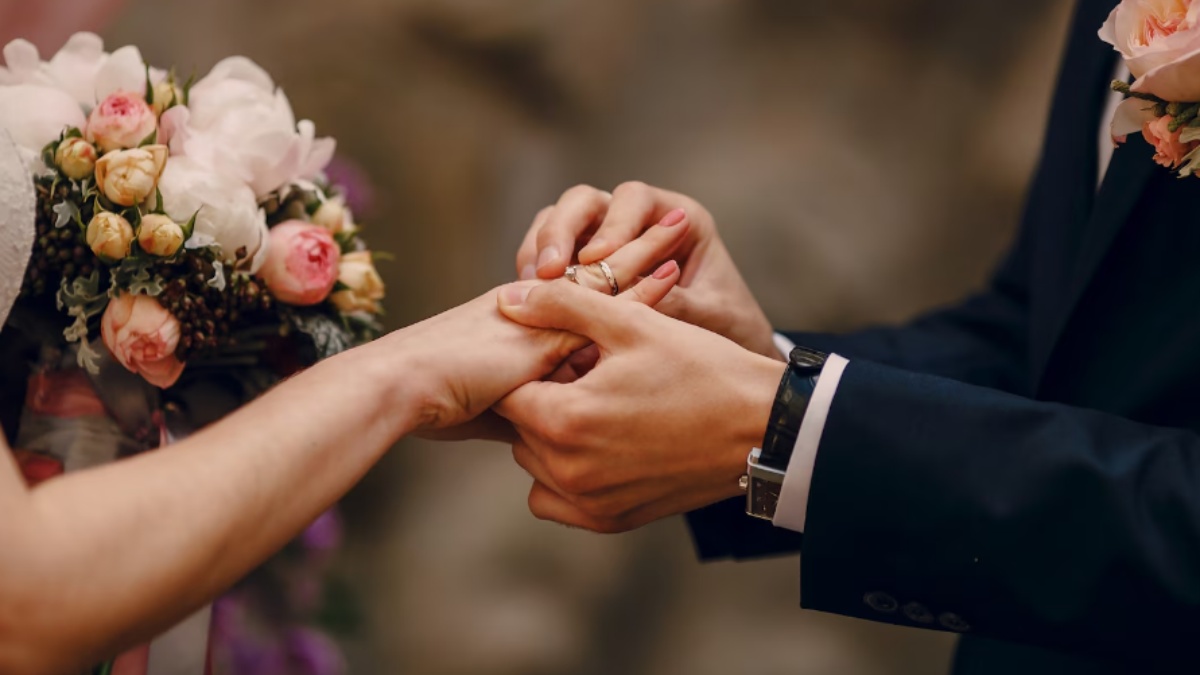
How can we know why these changes occur to a woman’s husband
1. Increased Responsibility
Many women take on additional responsibilities after marriage. Working with careers, they may also help the family to plan and to manage the household. They may be caregivers for children or elderly family members in some cases.
Those added responsibilities often take time management that is too much for women and make them more serious or focused than before.
Related Articles


2. Emotional maturity
Marriage nurtures emotional maturity. Women become more patient, understanding and thoughtful because not only are they making decisions but also their partner and family members are impacted.
As relationships evolve, women learn to balance personal emotions with family needs, leading to increased emotional maturity.
3. Changing Priorities
In the space before marriage, personal goals, friends, hobbies, and career goals might be at the forefront. Post marriage, priorities tend to grow even bigger to include the well-being of a spouse, household planning, financial security, and ultimately children.
Related Articles

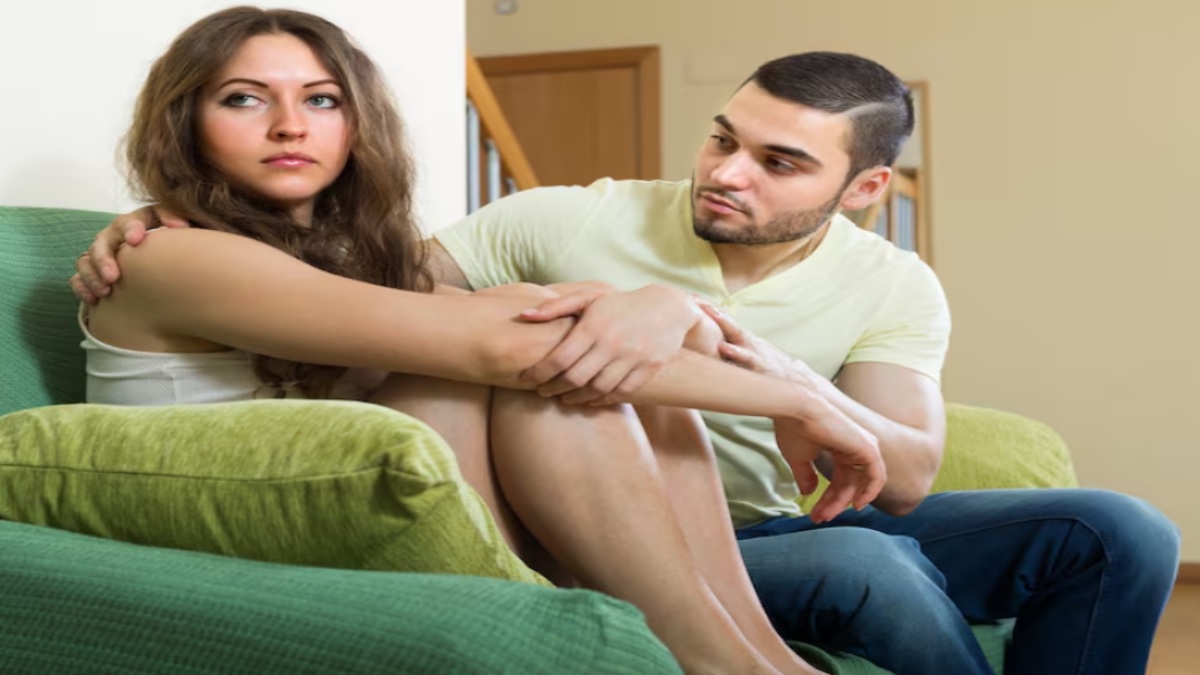
This change does nothing to lose a woman’s identity but only to adapt to life.
4. Financial awareness
Marriage brings in shared financial responsibilities. Budgeting, saving, paying bills, planning investments, and preparing for future goals become very important in our daily lives.
Many women become more careful about spending and more concerned with long-term financial planning, which might be a noticeable personality change.
5. The New Family Environment
In a lot of cultures, marriage involves a new family and new traditions that can be hard, but we need to learn new customs, start to develop relationships with in-laws, and adapt to the new culture.
These changes in communication style and behavior affect communication and behavior.
6. Career and Personal goals
Modern women continue education and careers after marriage. But a lot of work and family work are not easy.
Some women become organized and goal-oriented, while others may temporarily change their career plans depending on family circumstances. Every journey is unique.
7. Physical and Hormonal changes
Pregnancy, childbirth, and motherhood bring hormonal changes that alter mood, energy levels, and emotional responses. This is in the natural and temporary way women respond, but that does affect how they communicate with others.
When we can understand these biological forces, empathy and support in a marriage will be promoted.
8. Need for emotional support
Many women want emotional companionship once they’re married. To be listened to and to be appreciated and respected strengthens trust and intimacy.
When emotional needs are met, relationships tend to flourish. Miscommunication can happen when we ignore the needs, and misunderstandings arise when we ignore them. Open communication is the key to solving conflicts.
9. Personal Growth
Marriage can foster self-discovery. Women can be taught new skills (e.g., financial planning, parenting, leadership, cooking, family life, family relationships, the management of a household) and have a lot more success in life. These experiences create a sense of confidence and growth as well as self-discovery.
Growth can be seen as a positive change in personality and not the other.
10. Every woman is different
No person changes in life after marriage, for that matter, but personality, family, culture, career and family dynamics, and personal experiences all play a role as well.
Men, too, undergo change after marriage as they take on more responsibilities and have to adapt to the common life goals.
How can couples make the changes
Healthy relationships are predicated on understanding and mutual respect. Couples can strengthen their bond by:
- Communicating openly and honestly
- Sharing household and financial responsibilities
- Respecting each other's individuality
- Supporting personal and career goals
- Spending quality time together
- Appreciating each other’s work
- Resolving disagreements with patience and empathy
Women change after marriage because life changes. Responsibilities, emotional growth, financial planning, family relations, and personal growth are the things that all lead to this. Instead of viewing these changes negatively, couples should see these changes as natural stages of growth.
A good marriage is built on trust, communication, respect, and teamwork. When both partners can recognize and support each other’s evolving roles, there will be a relationship that grows stronger and stronger.




Comments 0