
Deep within the natural landscapes of Karnataka is a mystical temple where nature and spirituality fuse in a wonderful harmony. The shrine is hidden inside a cave and is associated with a Swayambhu Shiva Lingam, a kind of Shiva Lingam that is believed by devotees to be the natural manifestation of Lord Shiva.
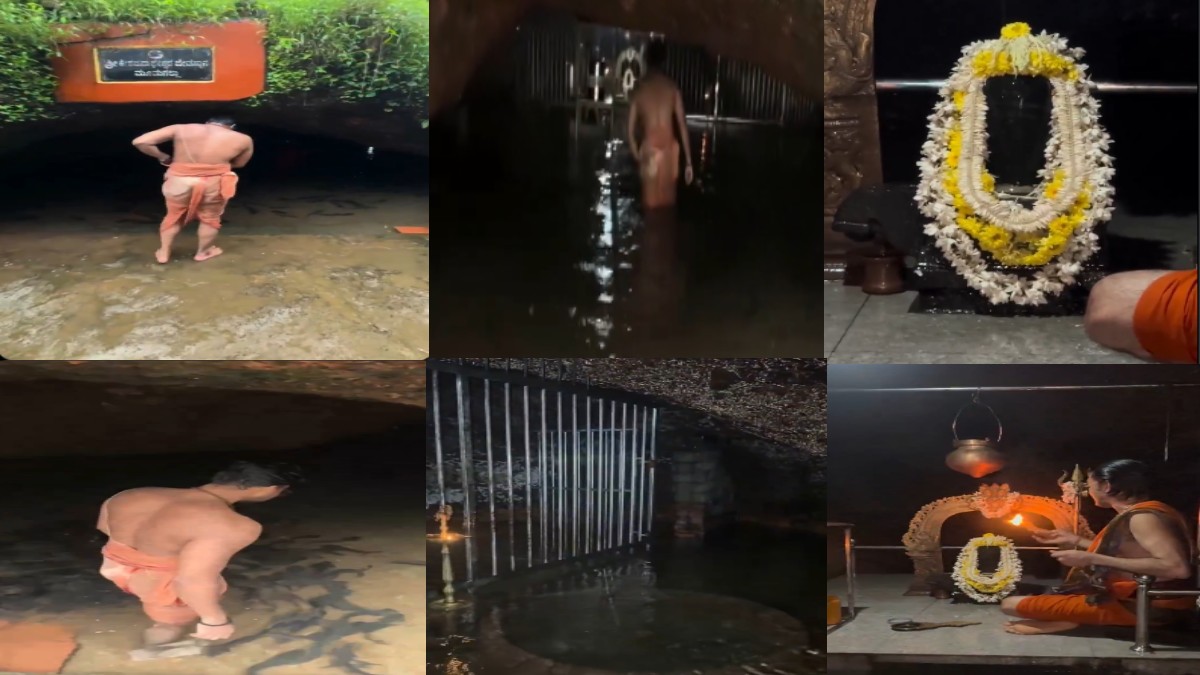
The forest and the mystery behind the underground cave, the sacred place provides an exceptional experience in spirituality, old traditions and Karnataka's ancient temple heritage.
Unlike traditional temples with high towers and large courtyards and ornate structures, a cave shrine has a totally different atmosphere. The natural rock formations make the temple part of the sacred atmosphere as well and the dark interior of the cave adds to it. For devotees a Swayambhu Shiva Lingam in such a natural setting is very significant.
Related Articles


Swayambhu is the word for a divine form which has been created, or is even installed by humans. In Shiva worship, naturally occurring Shiva Lingams are worshipped very much in many parts of India. Devotees believe that such holy formations are very special, because of nature and beings' manifestation.
One of the most intriguing beliefs associated with this Karnataka shrine is the presence of water which is said to represent the flow of seven rivers. Local faith and tradition, the water is thought to be associated with seven rivers and is also spiritually important to the cave temple. The beliefs of this shrine have been passed on from generation to generation and form part of the cultural identity around sacred places.
Water has always been a cherished aspect of Hindu religious practices. Rivers are widely considered sacred and water is a cornerstone of temple rituals and Shiva worship. Many of the devotees give water to Shiva Lingams during their prayers. Thus, the belief that seven rivers are present at the cave shrine gives the cave shrine a special spiritual flavor.
Related Articles

The surrounding forest is also part of the temple's appeal to visitors. The shrine does not look out to nature, but is an extension of nature itself. Trees, rocks, vegetation and the cave all make up the atmosphere of the sacred place. A spiritual experience in this environment is also more appealing for someone who wants to be in the world alone and away from the noise and activity of the city.
For many pilgrims, visiting a temple isn’t simply about seeing an architectural monument. It may be about feeling peace, passion, and connection to nature. Cave temples provide this experience in a different way. Walking into a cave naturally formed from nature, and the sounds of water and the sight of ancient rock formations provide a sense that is very different from a typical temple.
The shrine is associated with Lord Shiva so that it is particularly significant for festivals and special occasions in the name of Lord Shiva when the deity is worshiped. Shiva temple worshipers from all over Karnataka and other parts of India visit Shiva temples throughout the year, and festivals like Mahashivratri attract the most number of worshipers. A Shiva Lingam in a cave naturally existing can be appreciated by pilgrims searching for places associated with the traditional forms of worship.
Karnataka is home to many famous temples, but the state also has many lesser-known spiritual destinations hidden within hills, forests and rocky landscapes. These places have fascinating local traditions and stories that are closely connected to the communities living around them. The cave shrine of the Swayambhu Shiva Lingam is an example of how Karnataka's religious heritage goes much further than its well-known temple destinations.
The belief in the seven rivers is also a reflection of how natural features are woven into India’s spiritual beliefs. Mountains, rivers, forests, caves and springs have been regarded as sacred spaces throughout the country. Such a view of nature tends to make people look at it not as something to see in nature but as something that should be treated with reverence.
However, we must distinguish between traditional beliefs and scientific facts for the visitor. The identification of seven rivers with religion is a local thing to know (in our culture) and we have to interpret this in that way. Similarly, describing Shiva Lingam as Swayambhu reflects devotional tradition. Those beliefs are the core to the shrine's identity and the importance to followers, even if we cannot know them by modern scientific methods.
The cave setting also makes the temple an interesting destination for those interested in Karnataka’s natural geography. Caves have historically been used as places of meditation and worship in India because their isolation offers peace for meditation. Many caves in the country have come to have religious links over the years and natural formations have been incorporated into local culture.
A spirituality and nature-based approach to temples makes them particularly attractive to those looking for a spiritual and nature-based attraction while traveling beyond tourist destinations. A visit can be about not only prayer but also about the landscape and the cultural traditions that have developed around the place.
The temple also demonstrates the continuing importance of oral traditions. The tales of sacred water, divine manifestations and natural wonders are often preserved by local communities over generations. Even if written historical records are not available, these stories are important as they give identity and continuity.
But faith is the most important part of worship for people who worship the shrine and therefore in the end the shrine is very much about faith. The Swayambhu Shiva Lingam is considered a sacred manifestation of Lord Shiva and the presence of water associated with seven rivers adds to the site's spiritual importance. The cave and the forest surrounding the temple further solidify the temple as a place where the divine can be experienced through nature.
As awareness of spiritual tourism is increasing, lesser-known destinations like this can give travelers a different perspective of Karnataka. Visiting places where local people, landscapes and religious practices are still closely linked to the people and not just monuments and tourist attractions is important but rather places to visit instead of monuments and tourist places are important.
At the same time, visitors should take care of such natural and sacred places responsibly. Forest and cave environments can be sensitive ecosystems and religious places need to be respectful of local customs. Litter is not tolerated and the temple should not have any impact on natural formations to safeguard the ecology and environment.
A temple where nature meets divinity
— Anu Satheesh 🇮🇳 (@AnuSatheesh5) August 18, 2026
Swayambhu Shiva lingam inside a cave located in the mystical forest of Karnataka
It is believed that water flows from seven rivers is present here pic.twitter.com/L73YXRgC7o
It’s a mystery to me, the mystery of this cave temple in Karnataka is just that, but so is the spiritual connection between faith, nature and tradition. The Swayambhu Shiva Lingam, the belief that seven rivers are present and the surrounding forest combine to create an atmosphere that has inspired devotion for generations.
A temple place of worship for India’s spiritual heritage, the shrine is different from a temple trip. It is the same old-fashioned belief that divinity is found not only in the great houses of man but in caves, rocks, forests, springs, etc. in nature itself, and this cave shrine is a great example of India’s living temple tradition and in this wooded corner of Karnataka, nature is part of the experience for the cave shrine.



Comments 0