
What happens after death has fascinated humanity for thousands of years. Across cultures and religions, people have had different ideas about the afterlife (heaven, hell, reincarnation, spiritual worlds, liberation). While there is no scientifically defined answer to what happens to consciousness after death, beliefs about life, morality and spirituality still inform people’s understanding of the afterlife.

What Does Afterlife Mean?
The afterlife is usually defined as a state of being following death. It can be seen as the next stage in the life of the soul which continues on its way; consciousness is reborn in another body.
The idea for many people, for example, is a spiritual framework for what death is, a spiritual idea to life and hope that life is not simply a physical life.
Related Articles

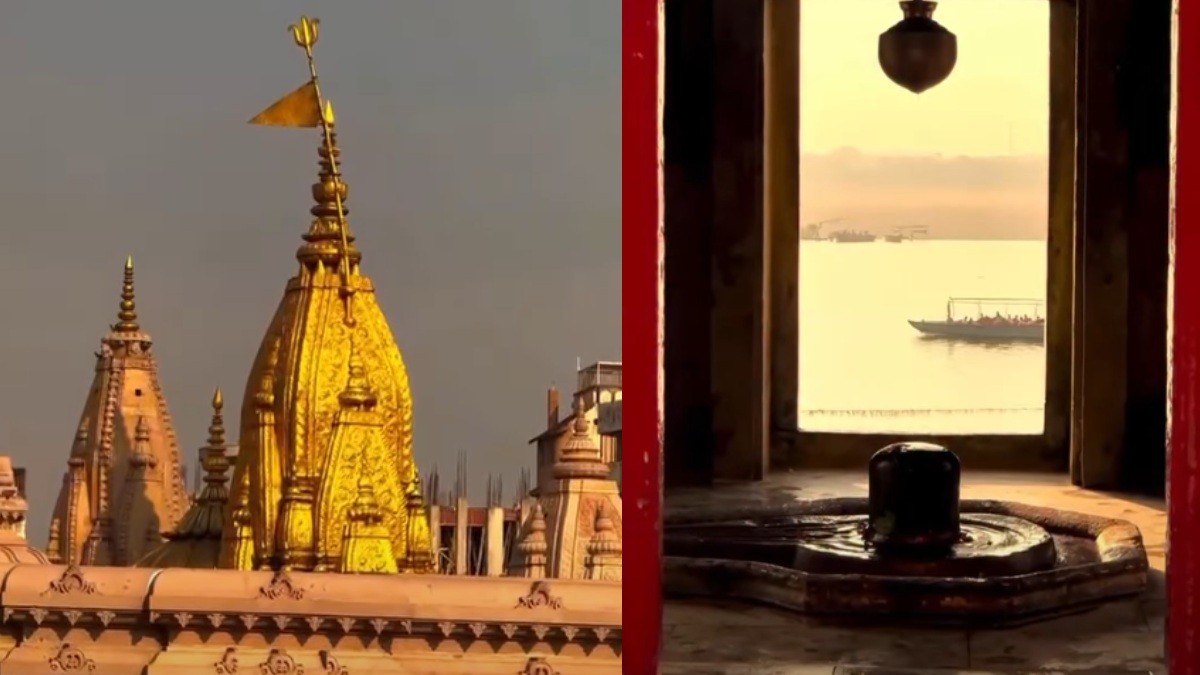
Hindu Beliefs About the Afterlife
In Hindu philosophy, death is perceived as a part of a much larger cycle called “samsara” that involves birth, death and rebirth. The soul, also known as the atman, is also assumed to exist beyond the physical body.
The circumstances of future existence are traditionally associated with karma, the consequences of one's actions. The ultimate spiritual goal to many Hindu traditions is moksha, or liberation from the cycle of birth and rebirth.
Hindu philosophical schools interpret the nature of the soul, karma and liberation in different ways.
Related Articles
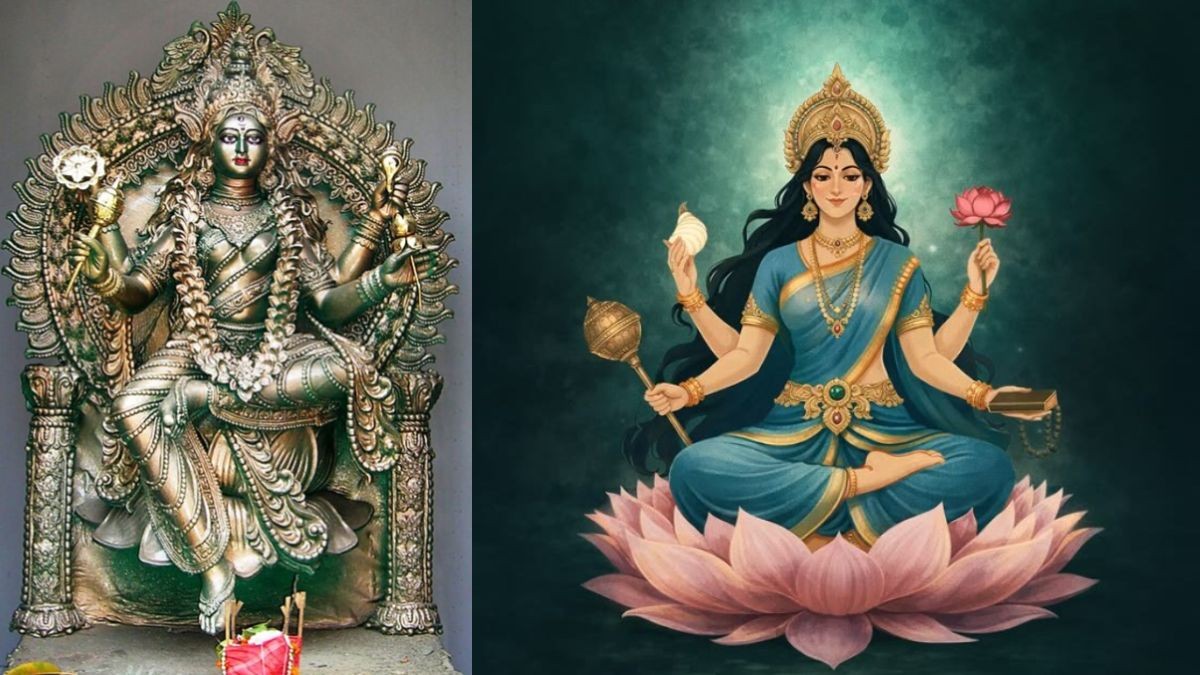
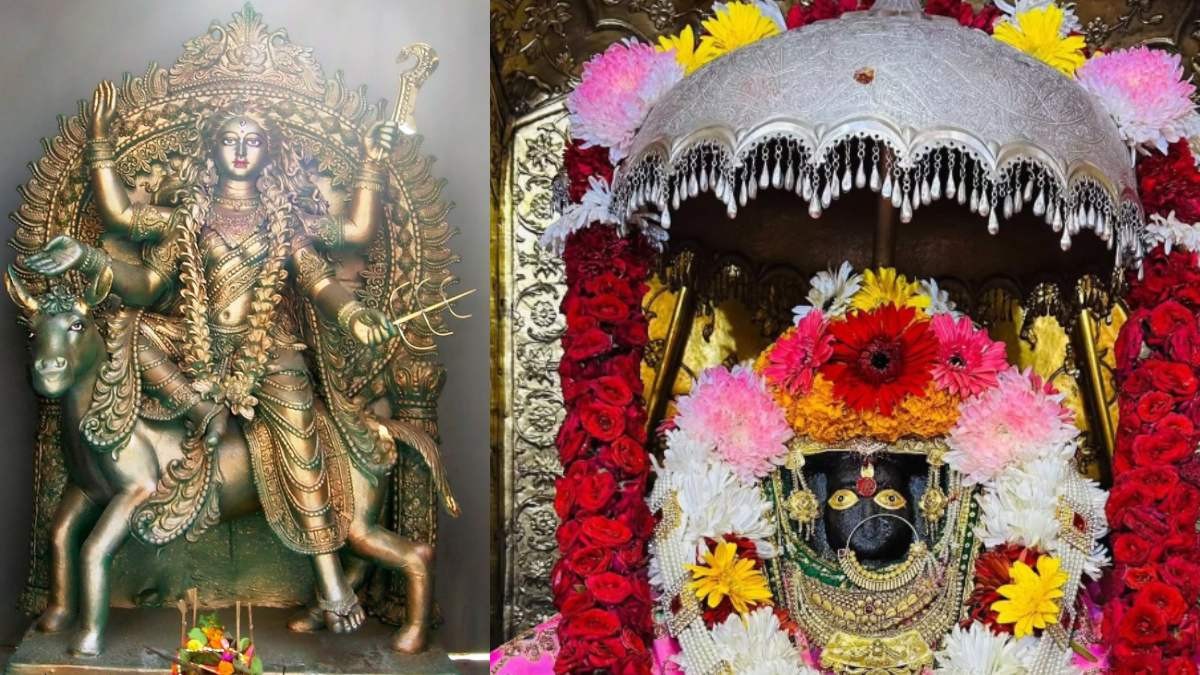
Buddhist Understanding of Rebirth
Buddhist traditions also talk about rebirth, but their understanding is different from the Hindu concept of an eternal soul. Buddhism generally teaches anatta, or non-self, meaning there is no permanent, unchanging self.
Rebirth is a process of causes and conditions, including karma. The ultimate goal is “nirvana” (freedom from suffering and rebirth).
In different Buddhist traditions, different ideas are described differently.
Christianity and the Afterlife
Christian beliefs generally hold that human life is lived beyond physical death. Heaven, hell, resurrection and divine judgment are very important concepts in Christian theology.
Many Christians think that life is a relationship with God and Jesus Christ. Christian denominations interpret heaven, hell and how we will live differently at the end of life.
Islamic Beliefs About Life After Death
In Islam, belief in the afterlife is a core part of faith. Islamic teachings describe the future resurrection and judgment to come and the life after that and the afterlife.
The Day of Judgment is considered to be a time when people are judged for what they do. Paradise and hell are prevalent in Islamic teachings regarding what is to come after life on earth.
Other Perspectives on the Afterlife
Jewish ideas on death are diverse and the beliefs differ considerably from one time period to another. Some traditions are on resurrection and the World to Come.
Other cultures have their own views on spirits, ancestors and life beyond death. Philosophers have long debated the existence of consciousness as well as other things beyond the body.
What Does Science Say?
Modern science can study biological processes associated with death, but it has not established that consciousness continues after death. Reports of near-death experiences are studied by researchers, but they do not provide conclusive scientific proof of an afterlife.
For this reason, the afterlife remains primarily a matter of religious belief, philosophy and personal interpretation.
Why the Idea of an Afterlife Matters
What is the belief of people after life, and the way they think about it? What do they think will happen?
At last the question that we still ask all the time is the same: if physical life ends, is there something that goes on after it ends? And different traditions provide different answers, and the afterlife is still one of the world's great spiritual mysteries.



Comments 0