
Hindu philosophy addresses some of life’s deepest questions: Who are we? What is the purpose of life? What is beyond the transient reality of the material world in which we live? Many Hindu philosophies are based on the idea of moksha, or liberation from birth, death and rebirth as *samsara*.
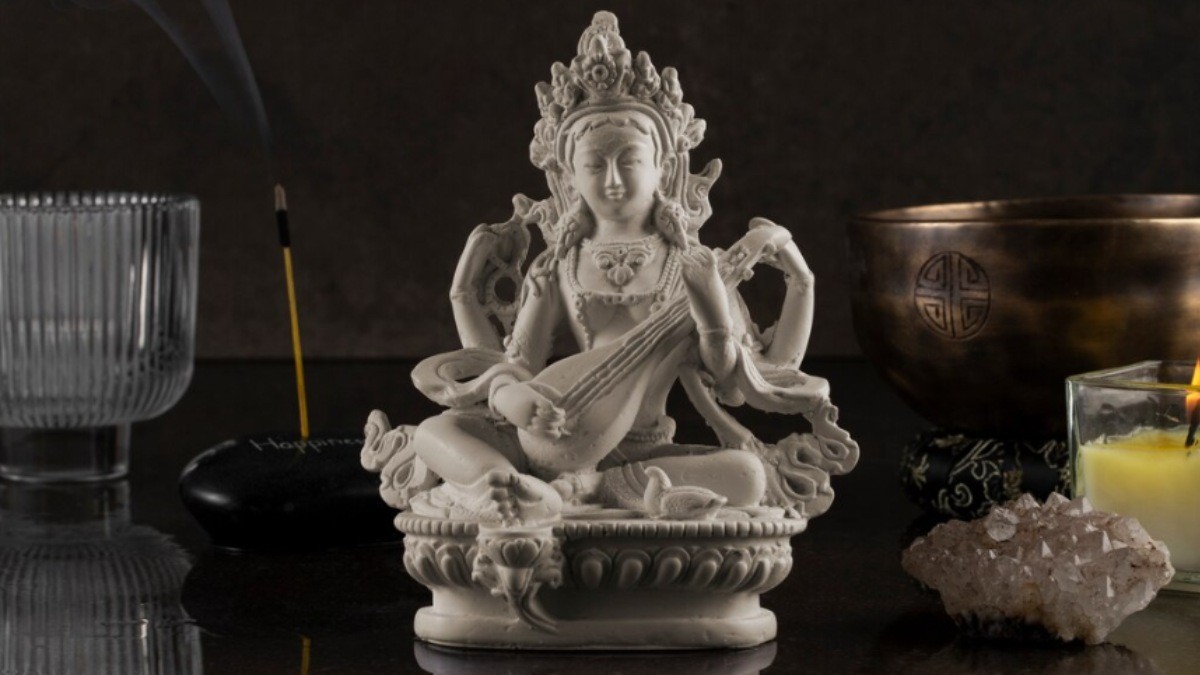
Hindu thought takes spirituality not as a set of rituals but as an internal journey of knowledge, devotion, ethical action, and spiritual awareness.
Understanding Moksha
Moksha is traditionally defined as liberation from *samsara*. It is the escape from the attachments and ignorance that keep people attached to the world.
Related Articles

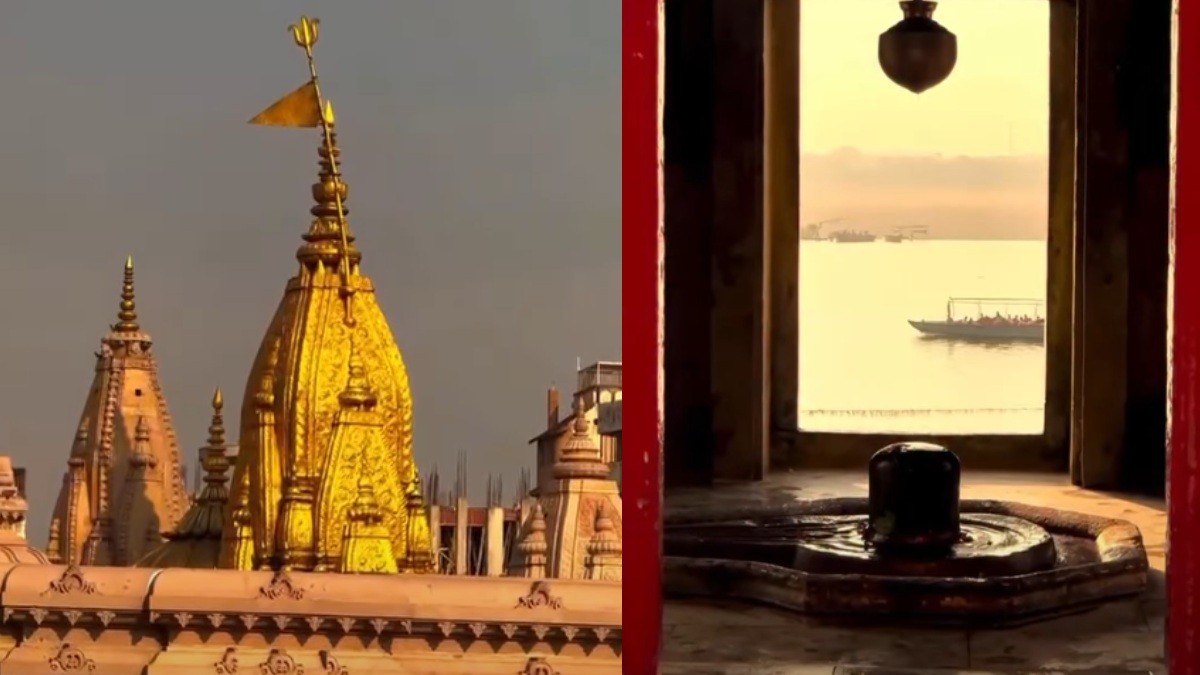
The concept is closely associated with the relationship between **Atman**, the individual self or soul, and **Brahman**, the ultimate reality. Different Hindu philosophical schools think of the relationship differently, but the search for deeper spiritual understanding is at the heart of it.
The Importance of Dharma
The path toward spiritual growth is also associated with *dharma*, which is, in general, righteous living, duty and ethical behavior.
Hindu philosophy can inspire people to do the work in the world sincerely and with mindfulness rather than just to ignore what we do in our daily lives. Ordinary activities can thus be spiritual development opportunities.
Related Articles
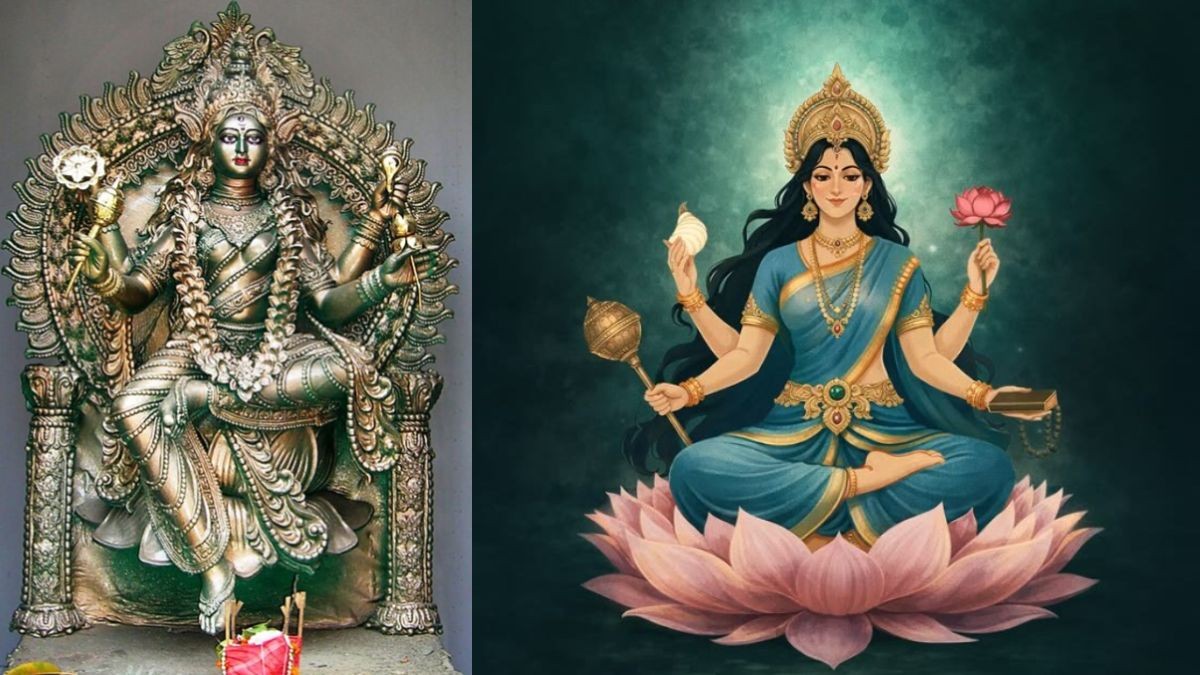
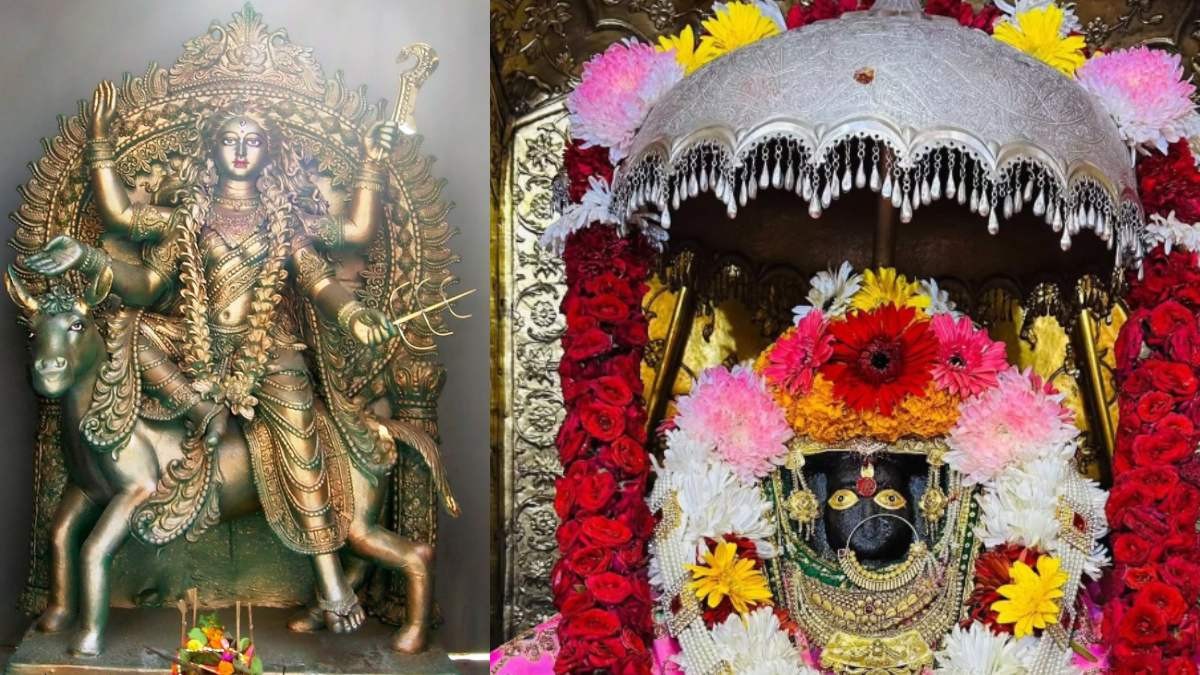
Bhakti Yoga: The Path of Devotion
Bhakti Yoga is dedicated to the love of God and to the divine. Dedication and worship, remembrance and surrender, the devotees do to deepen their relationship with God.
For many practitioners, devotion is a way to move beyond the ego and to get beyond the attachment of too much ego to develop humility and self-denial, compassion and faith in oneself, and become humble and faith-based.
Jnana Yoga: The Path of Knowledge
Jnana Yoga is about spiritual knowledge and self-questioning. It asks us to question our beliefs about the self and reality.
The aim is not just to get some intellectual information but to learn about what is real or how one is really, and what is existence.
Karma Yoga: Spirituality Through Action
Karma Yoga teaches that one should carry out one's duty without losing touch with the benefits of it. The Bhagavad Gita is a fundamental text to implement this philosophy. The source article similarly presents selfless action as the path to spiritual liberation.
Hence we think that daily work, service and responsibility can be spiritual practice when done with the right intention.
Detachment Does Not Mean Indifference
Spiritual detachment is sometimes misunderstood as withdrawal from life. In many Hindu teachings, however, detachment is about performing one's responsibilities while reducing attachment to outcomes.
A human being can care a lot about family, work and society but not define his/her whole self in possessions, success or recognition.
The Journey Inward
The spiritual objectives of Hindu philosophy ultimately make us question the reality of the difference between the nature of the temporary and the deep reality of these experiences. One can find freedom from attachment and ignorance through devotion, knowledge, ethical action and self-awareness.
Moksha therefore is not merely an external destination but is rather the spiritual ideal: awakening to a deeper understanding of the self, reality and nature of existence.



Comments 0