
Raksha Bandhan is one of the most celebrated festivals in Hindu culture and is the source of our love, trust and protection. It is celebrated every year on the full moon day (Purnima) of the Hindu month of Shravana and sisters tie a sacred string called Rakhi on the wrists of their brothers in order to protect and support their sisters all the way to the end.
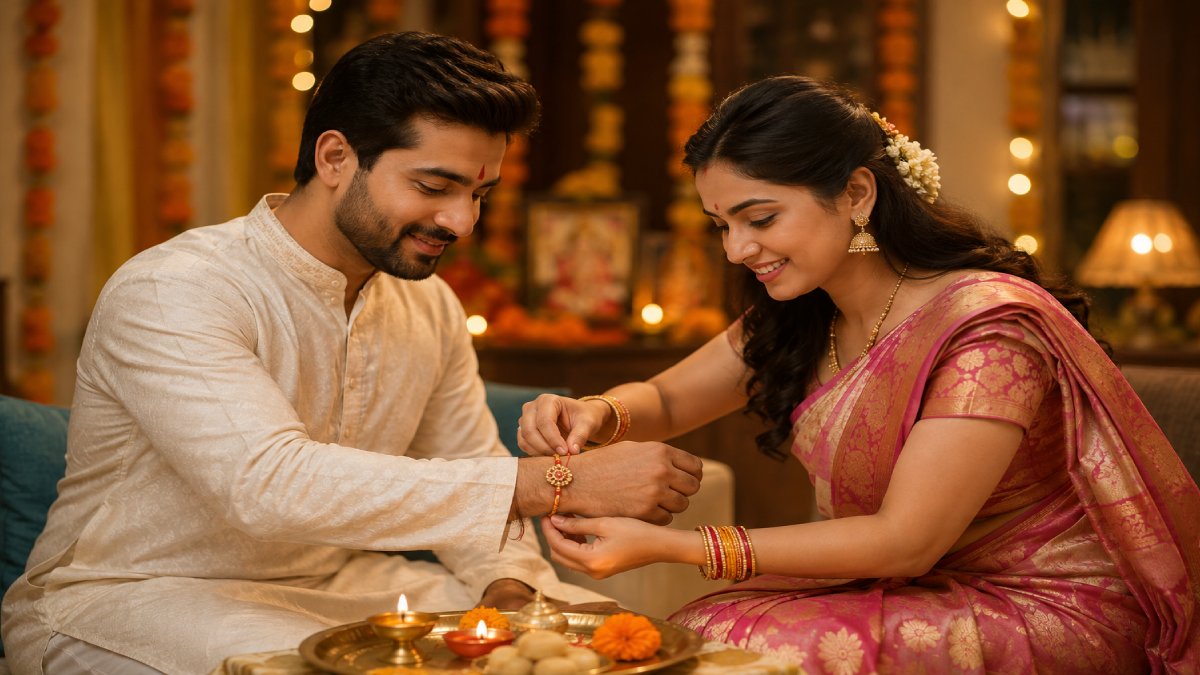
But over all those years people have wondered whether Rakhi is only for their siblings or if it can also be tied by a wife to her husband.
The question often arises because Raksha Bandhan is associated with the brother-sister relationship. The image of a sister praying for her brother’s well-being and a brother promising lifelong protection has become the defining feature of the festival.
Related Articles

But Hindu traditions and scriptural references suggest that Rakhi is much broader than the relationship between siblings.
Raksha means protection and Bandhan means bond or tie. So Raksha Bandhan is a sacred bond of protection, goodwill and blessing. The Rakhi or Raksha Sutra is a protective thread that invokes divine grace and positive energy for someone who wears it. But it is important to note that this sacred thread is not only for brothers and sisters. Throughout Hindu history and mythology, Raksha Sutra has been associated in many different ways with protection, faith and spiritual well-being.
Hindu beliefs and references from old texts state that a wife can indeed tie Rakhi to her husband. One of the most popular examples is from the Bhavishya Purana and related mythological traditions.
Related Articles
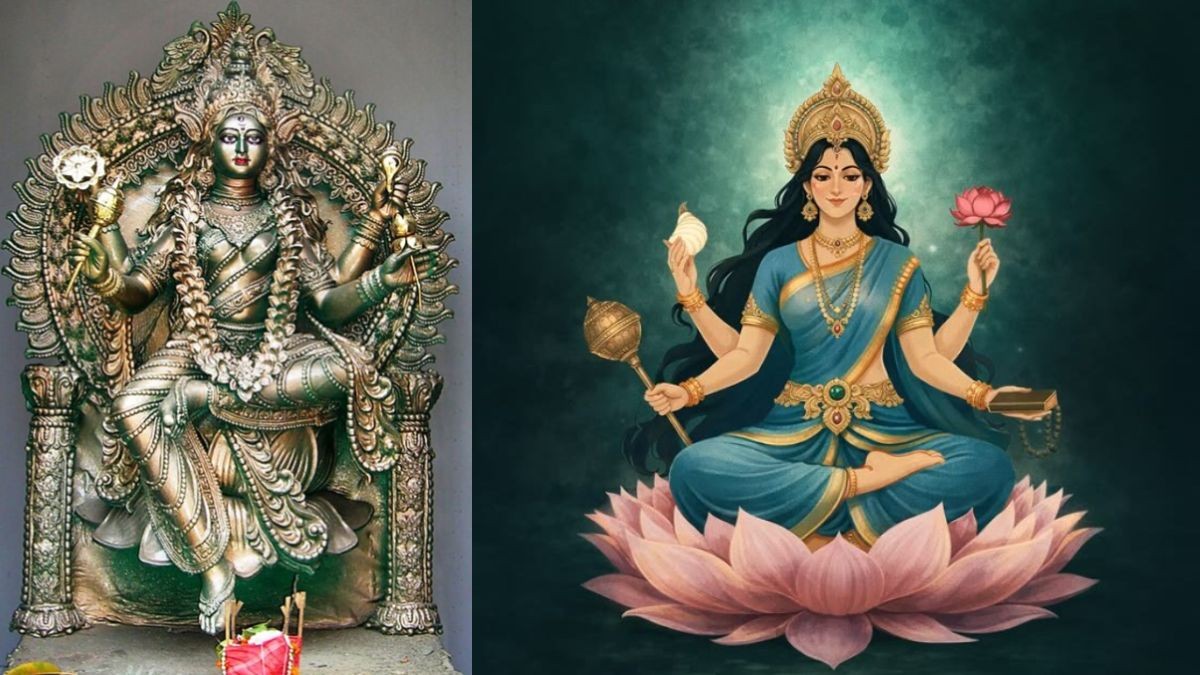
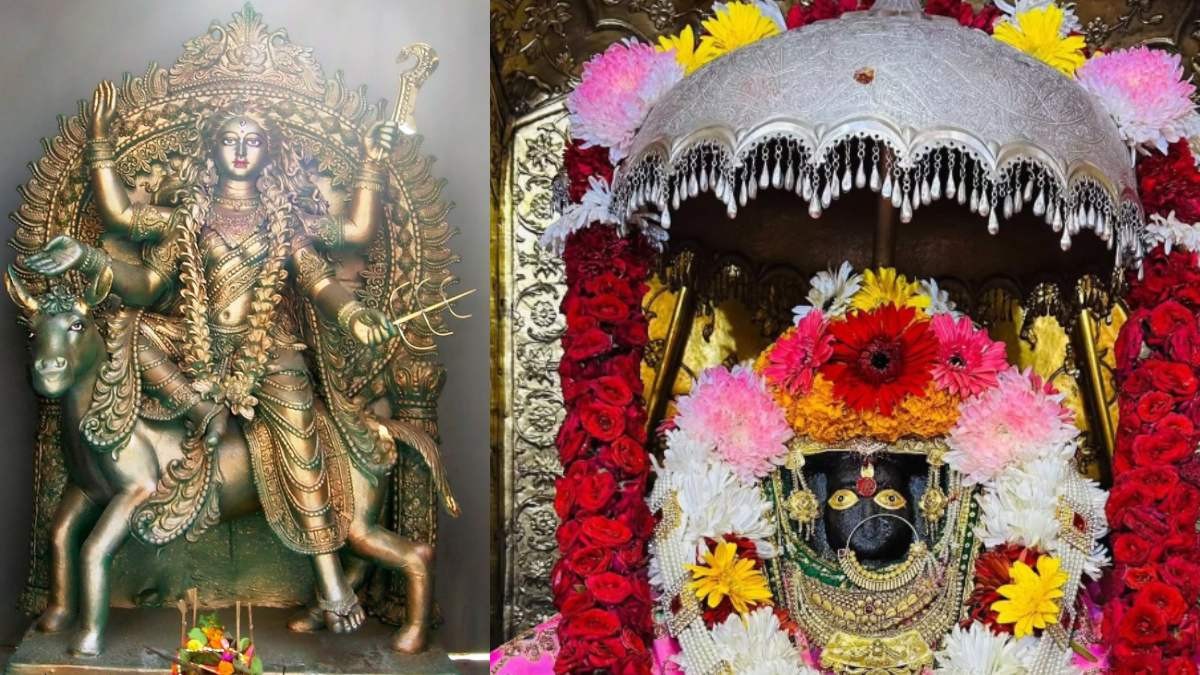
Lord Indra’s wife Indrani would tie a sacred protective thread on her husband’s wrist before he went to war against powerful demons and she prayed for his protection, strength and victory.
The Raksha Sutra was thought to provide protection and blessing to the king and to help him overcome his challenges and to obtain victory.
Rakhi is more than a sibling relationship and can also be prayers for the safety and well-being of a spouse. Husband and wife are lifelong partners who maintain and protect each other from every stage of life in a marital relationship. The tying of a Rakhi is therefore not a family ritual but a gesture of love, care and blessing and should not be viewed as a ritual.
The heart of Raksha Bandhan is to show affection, trust and concern for the ones we love, modern spiritual teachers and religious experts tell us. If a wife wishes to tie a Rakhi to her husband as a sign of prayer for health, prosperity and protection, there is no scriptural prohibition against that. In fact many families in India follow similar practices, especially if they regard Rakhi as a sacred link of divine protection and not a brother-sister affair.
But whether a wife ties Rakhi to her husband depends on her personal beliefs, family customs and common understanding between the couple. Hindu scriptures and mythology also back the Raksha Sutra's wider significance, and make it crystal clear that the sacred thread can mean protection and blessings in many relationships.
Raksha Bandhan has evolved with the changes in social norms but the basic message remains the same: love, protection, the bonds that bring people together. And whether siblings, friends or spouses, the spirit of Rakhi is to be good at connecting in care, trust and prayers.



Comments 0