
Durga mantras hold a special place in Hindu spiritual traditions and are often recited by devotees seeking inner strength, protection, courage and peace. Maa Durga, also known as Shakti, represents divine feminine power and is traditionally associated with the triumph of good over evil. Chanting her mantras can become a meaningful part of prayer, meditation and daily spiritual practice.
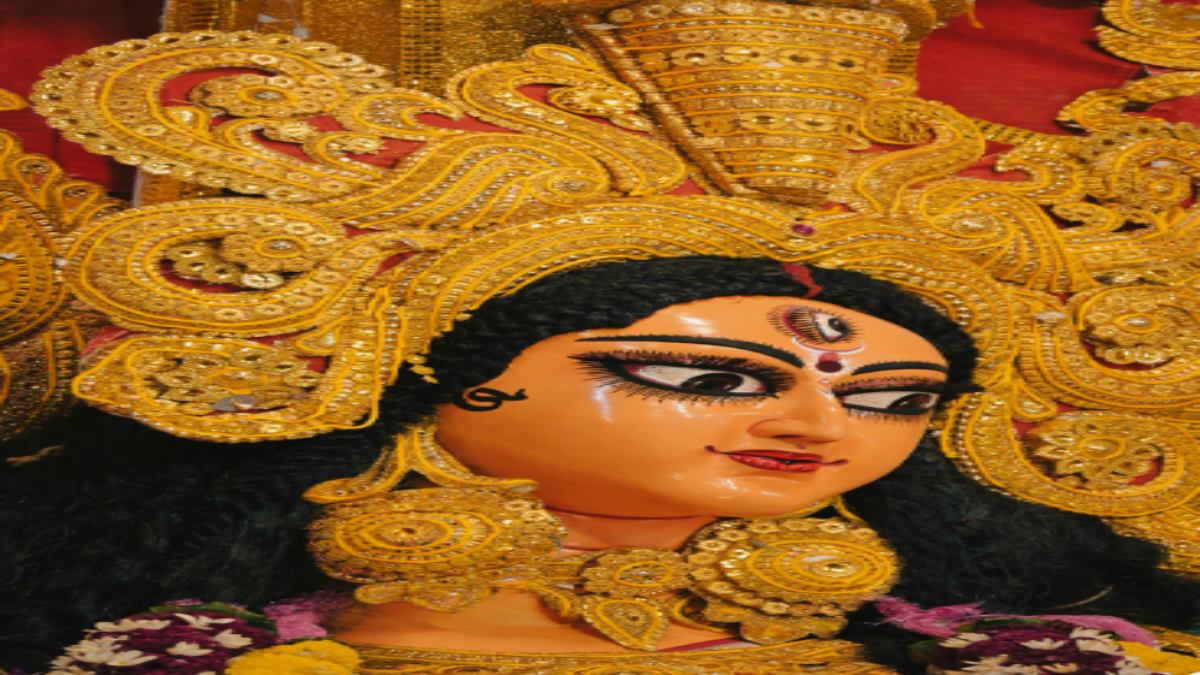
A mantra is a sacred sound, word or phrase that is repeated with concentration and devotion. In the Durga tradition, different mantras are associated with different forms and qualities of the Goddess. Some devotees chant them for courage during difficult periods, while others use them as part of their regular meditation or worship. The value of mantra practice lies not only in the words themselves but also in the discipline, attention and devotional intention behind the chanting.
Powerful Durga Mantras
One of the most widely known chants is the “Om Dum Durgayai Namaha” mantra. It is traditionally associated with Maa Durga and is often recited as a prayer for strength and protection. Devotees may chant it repeatedly while maintaining a calm and focused mind.
Related Articles


Another important mantra is the Durga Gayatri Mantra:
“Om Katyayanyai Vidmahe
Kanyakumari Dhimahi
Tanno Durga Prachodayat.”
This mantra is a prayer invoking the divine feminine and seeking spiritual illumination and guidance. It can be included in meditation or devotional practices, particularly when a person wishes to cultivate clarity and inner confidence.
Related Articles
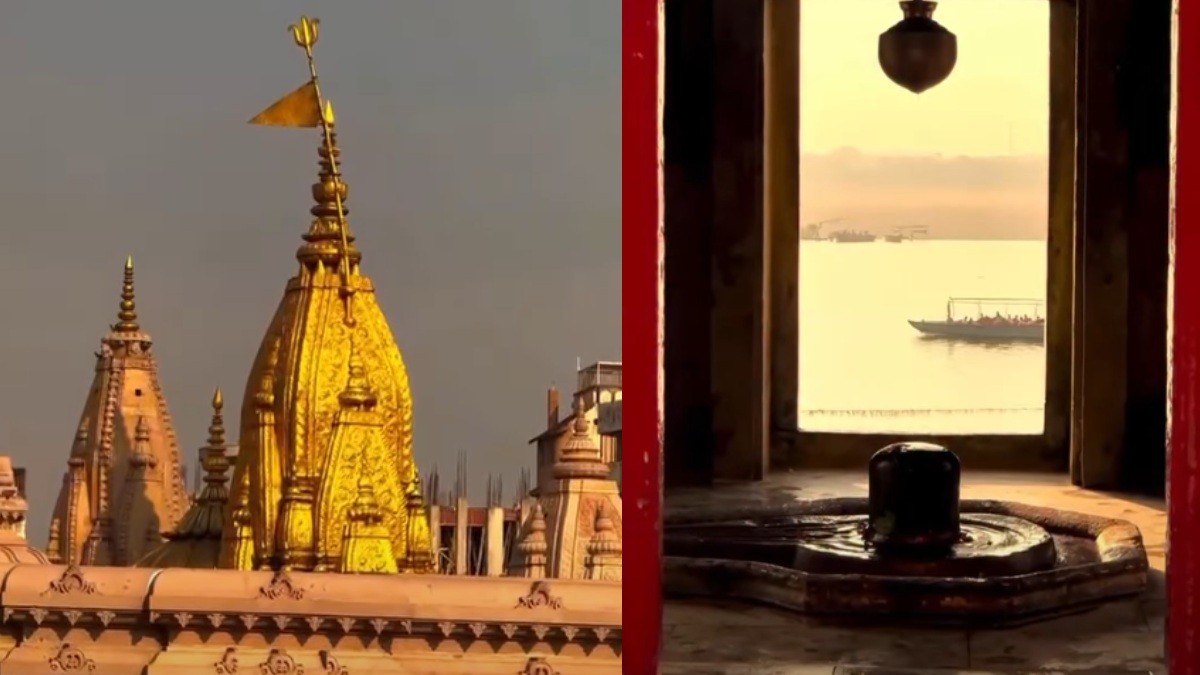
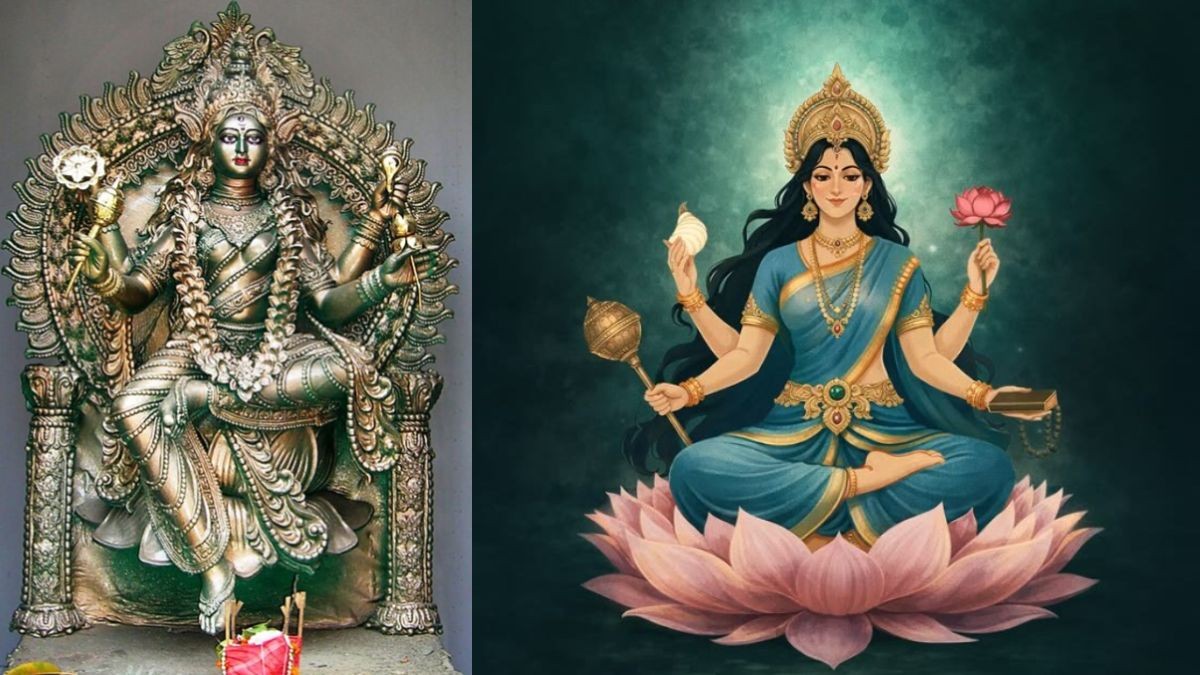
The Navarna Mantra, traditionally given as “Om Aim Hreem Kleem Chamundaye Vichche,” is another prominent mantra connected with the worship of Devi. It is regarded as a powerful Shakti mantra and is commonly associated with spiritual practice dedicated to Goddess Chamunda, a fierce manifestation of the Divine Mother. Those interested in advanced mantra practices may choose to learn the appropriate pronunciation and traditional method from a knowledgeable teacher.
Benefits of Chanting Durga Mantras
Devotees believe that regular chanting of Durga mantras can encourage courage, concentration, devotion and emotional steadiness. From a mindfulness perspective, repetitive chanting can also provide a structured way to quiet distracting thoughts and focus attention on a single sound or phrase.
Many people turn to Durga mantras during periods of uncertainty or personal difficulty. The symbolism of Maa Durga defeating negative forces can inspire devotees to face challenges with greater determination. The practice can also create a sense of calm when incorporated into a peaceful morning or evening routine.
It is important to understand that spiritual benefits are matters of faith and personal experience. Mantras should not be considered a substitute for medical care, professional advice or practical action when dealing with serious problems.
How to Chant Durga Mantras
A simple mantra practice does not necessarily require elaborate arrangements. Choose a clean and quiet place where you can sit comfortably without frequent interruptions. Take a few slow breaths and bring your attention to the mantra.
You may chant aloud, softly or mentally, depending on your preference and tradition. Beginners can start with a small number of repetitions and gradually develop a consistent routine. A mala containing 108 beads is traditionally used in many Hindu practices, although it is not essential for beginning a personal practice.
Pronunciation and intention are important, especially when chanting Sanskrit mantras. If possible, learn the correct pronunciation from a reliable source or teacher. Most importantly, approach the practice with respect, concentration and sincerity rather than treating chanting simply as a mechanical repetition.
Durga Mantras During Navratri
Navratri is one of the most significant periods for Devi worship. During these nine nights, devotees across India and around the world offer prayers to different manifestations of the Goddess. Durga mantras, devotional songs, meditation, fasting and traditional rituals may all form part of Navratri observances.
However, devotees do not need to wait for Navratri to chant Durga mantras. A short daily practice can become a way to cultivate mindfulness and devotion throughout the year.
A Spiritual Practice for Inner Strength
The deeper significance of Durga worship goes beyond asking for external protection. Maa Durga symbolizes Shakti the divine power that enables individuals to confront fear, overcome obstacles and stand firmly against negativity. Her imagery, including her lion or tiger and multiple weapons, represents courage, wisdom and the ability to respond to different challenges.
Whether practiced during festivals or as part of everyday prayer, Durga mantras can provide a meaningful spiritual routine. With regularity, mindful breathing and sincere devotion, chanting can become a peaceful moment of reflection and connection with the qualities represented by the Divine Mother.



Comments 0