
Diwali is an icon of India and the world. It is light's victory over darkness, good's victory over evil, and hope's victory over hopelessness. Homes are decorated, families are given gifts and delicious foods while together with everybody (family and friends) one day in their lives.
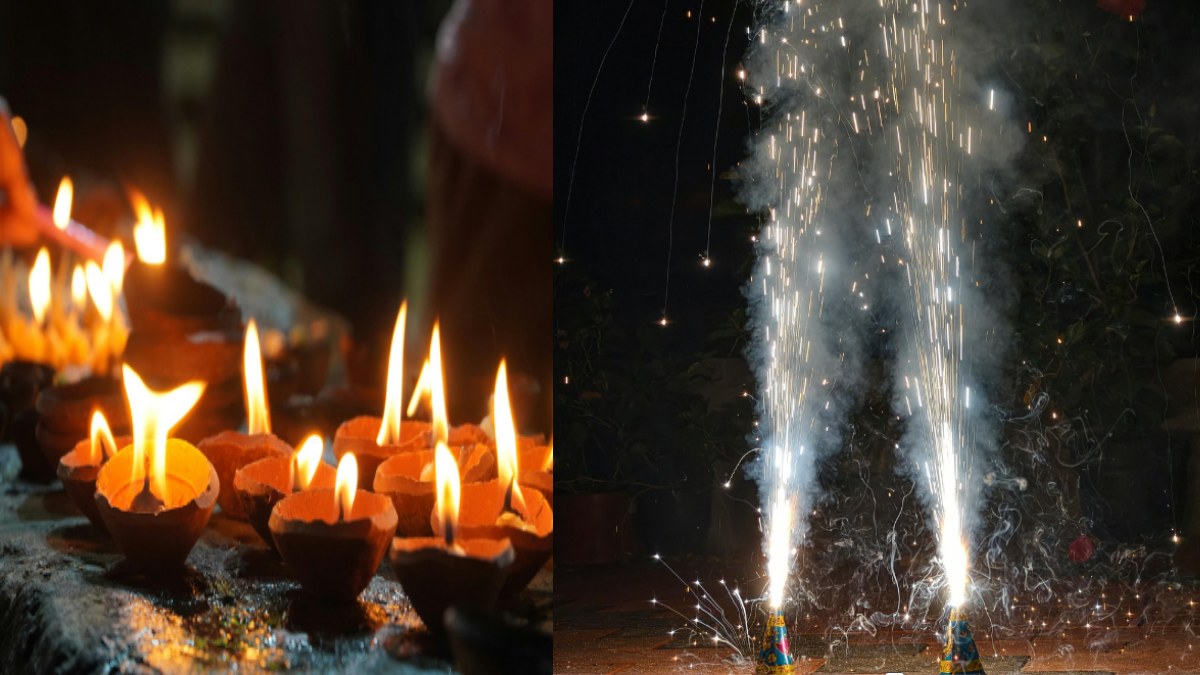
But modern celebrations are often characterized by excessive use of firecrackers, plastic decorations, and waste which is harmful to the environment. Not only is air pollution and noise pollution and waste generation during Diwali harmful to the environment but also to children, older people, and those with respiratory problems in general.
With an eco-friendly Diwali, you can keep the festive atmosphere and still protect the environment for future generations. What are some practical ways to celebrate a greener and more sustainable Diwali.
Related Articles


1. Light Traditional Diyas
Instead of just having electric lights, you can decorate your home with traditional clay diyas filled with mustard oil or vegetable oil. Local artisans and small businesses can also benefit from buying handmade diyas.
If you want decorative lighting, choose energy-efficient LED lights, which consume less electricity and have a longer lifespan than conventional bulbs.
2. Avoid or reduce firecrackers
Firecrackers have been associated with Diwali for centuries, but pollution from fireworks is high in air and noise. Smoke from fireworks contains fine particles and chemicals which can spoil air quality and cause respiratory problems.
Related Articles

If you are looking for fireworks in your celebration, then consider:
- Limiting their use
- Choosing certified “green crackers” where available to reduce some emissions compared to conventional fireworks (although they still create pollution and noise)
- Participating in community displays where permitted, rather than setting off many individual fireworks
Many families now celebrate Diwali without fireworks by focusing on lights, food, games, and togetherness.
3. Decorate with Natural Materials
Instead of plastic decorations, opt for eco-friendly alternatives like:
- Fresh flowers
- Mango leaves
- Banana leaves
- Reusable fabric decorations
- Jute ornaments
- Bamboo décor
- Handmade paper lanterns
Make colorful rangolis with flower petals, rice flour, turmeric, natural colors, or biodegradable powders instead of synthetic chemical colors.
4. Choose Sustainable Gifts
Diwali is a great day to give gifts. Instead of plastic gifts or excessive packaging, think of thoughtful gifts like the following:
- Indoor plants
- Organic food hampers
- Handcrafted products
- Reusable kitchen items
- Eco-friendly candles
- Seed paper stationery
- Homemade sweets
- Cloth bags
Supporting local artisans and small businesses also helps strengthen communities.
5. Reduce Food Waste
Diwali is a big celebration, but over-preparation of delicious meals often leads to waste.
Plan your menu wisely by:
- Cooking appropriate portions
- Storing leftovers safely
- Sharing extra food with neighbors, community kitchens, or charitable organizations where possible
Responsible food management reduces waste while spreading festive cheer.
6. Use Eco-Friendly Packaging
Many gifts come wrapped in plastic-coated paper and non-recyclable materials.
Instead, use:
- Recycled paper
- Fabric gift wraps
- Jute bags
- Decorative baskets
- Newspaper creatively decorated with ribbons or twine
Reusable packaging is both beautiful and environmentally friendly.
7. Keep Your Home Plastic-Free
Avoid disposable plastic plates, cups, and cutlery during Diwali gatherings.
Choose:
- Steel utensils
- Ceramic plates
- Glassware
- Areca leaf plates
- Banana leaves (where culturally appropriate)
- Compostable serving options
These choices significantly reduce plastic waste.
8. Practice Responsible Waste Disposal
Festivals can generate large amounts of waste.
Separate:
- Wet waste
- Dry waste
- Recyclables
- Hazardous waste
Dispose of used diyas, decorations, and packaging responsibly according to your local waste management guidelines.
9. Celebrate with Acts of Kindness
Diwali is also a festival of compassion and generosity.
You can celebrate by:
- Donating clothes or blankets
- Supporting local charities
- Helping animal shelters
- Volunteering in community initiatives
- Sharing meals with those in need
These meaningful gestures embody the true spirit of the festival.
10. Protect Pets and Wildlife
Loud noises from fireworks can frighten pets and disturb birds and other wildlife.
To help:
- Keep pets indoors if fireworks are expected
- Ensure they have a safe, quiet space
- Avoid bursting crackers near animals
- Inform neighbors if you have pets that are sensitive to loud sounds
A quieter celebration can make the festival more comfortable for everyone.
11. Conserve Energy
Although lighting is central to Diwali, energy can still be used wisely.
Simple practices include:
- Turning off decorative lights before bedtime
- Using timers for lighting displays
- Choosing LED lights
- Avoiding unnecessary electricity consumption
These habits reduce energy use without diminishing the festive atmosphere.
Diwali is a celebration of happiness, hope, and togetherness. By embracing eco-friendly practices, we can honor these values while protecting our environment. Choosing clay diyas, reducing firecracker use, decorating with natural materials, minimizing waste, conserving energy, and supporting local artisans are simple yet impactful ways to celebrate responsibly.
Wishing you and your loved ones a joyful, safe, and eco-friendly Diwali!



Comments 0