
Ganesh Chaturthi is one of India's most colourful and widely celebrated festivals, dedicated to Lord Ganesha, the beloved elephant-headed deity associated with wisdom, prosperity, good fortune and the removal of obstacles. Although the festival is observed across the country, each region adds its own distinctive customs, foods, music, decorations and community traditions. From massive public celebrations in Maharashtra to intimate household rituals in southern and western India, Ganesh Chaturthi beautifully reflects India's cultural diversity.
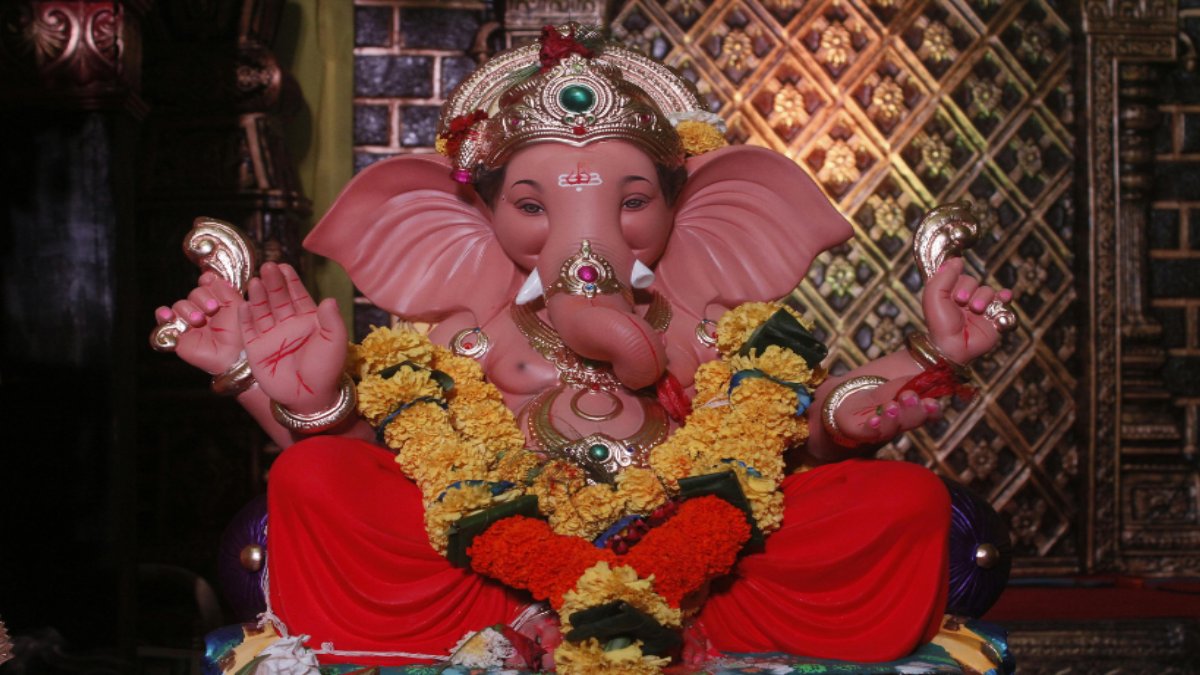
The festival begins with the installation of beautifully decorated idols of Lord Ganesha in homes, temples and public pandals. Devotees welcome the deity with prayers, flowers, sweets and traditional rituals. The atmosphere becomes especially vibrant as communities come together to decorate neighbourhoods, organise cultural programmes and participate in devotional music. The celebration generally continues for several days before concluding with Ganesh Visarjan, when the idol is carried in a procession and ceremonially immersed in water.
Maharashtra: The Heart of Grand Ganeshotsav
Maharashtra is particularly famous for its spectacular Ganesh Chaturthi celebrations. Mumbai, Pune and several other cities transform into centres of devotion and festivity. Elaborate pandals attract thousands of visitors, with many featuring artistic themes, social messages and impressive decorations.
Related Articles


Mumbai's public Ganpati celebrations are especially renowned. Famous community idols draw large crowds, while processions are accompanied by traditional dhol-tasha performances, dancing and devotional chants of “Ganpati Bappa Morya.” Lalbaugcha Raja is among the most well-known Ganesh idols in Mumbai and has become an important part of the city's festival culture.
Pune also has a strong Ganeshotsav tradition, with several historic Ganpati mandals playing an important role in the city's cultural identity. The festival's public celebrations have deep roots and continue to bring communities together every year.
Goa and Karnataka: Devotion with Regional Traditions
In Goa, Ganesh Chaturthi, locally known as Chavath, has a strong family-oriented character. Homes are decorated with flowers and traditional arrangements, while families prepare special festive dishes and perform rituals together. The festival provides an opportunity for relatives to gather and celebrate their cultural heritage.
Related Articles
Karnataka also observes Ganesh Chaturthi with enthusiasm. Bengaluru, Mysuru, Hubballi and other cities host public celebrations, while families install idols at home. Traditional sweets such as modak and other regional delicacies form an important part of the festivities.
Tamil Nadu and Andhra Pradesh: Colourful Cultural Celebrations
In Tamil Nadu, Vinayaka Chaturthi is celebrated with prayers and beautifully decorated idols of Lord Ganesha. Homes and temples become centres of devotion, while public installations add a lively atmosphere to cities and towns.
Andhra Pradesh and Telangana also celebrate Vinayaka Chavithi with great enthusiasm. Families perform puja, prepare traditional offerings and install Ganesha idols. In Hyderabad and other urban centres, large community celebrations and immersion processions attract significant participation.
Kerala: A Blend of Simplicity and Devotion
Ganesh Chaturthi is observed in Kerala with prayers at homes and temples. Devotees visit temples dedicated to Lord Ganesha and offer traditional preparations. While celebrations may be more restrained compared with the huge public festivities of Mumbai, the spiritual significance of the festival remains strong.
Delhi and North India
Ganesh Chaturthi has also gained popularity in Delhi and several northern Indian cities. Public pandals are established in residential areas, markets and community spaces. Devotees participate in aarti, bhajans and cultural programmes before joining immersion processions.
In many cities, the festival has increasingly become an occasion for community engagement. Organisers often combine religious celebrations with activities such as blood donation camps, charitable initiatives, cleanliness drives and awareness campaigns.
The Importance of Ganesh Visarjan
Ganesh Visarjan marks the emotional conclusion of the festival. Devotees carry idols through streets accompanied by music, dancing and chants before immersing them in water. The ritual symbolises the cycle of creation and dissolution and reminds devotees of the temporary nature of material life.
In recent years, environmental awareness has become an important part of Ganesh Chaturthi. Many families and organisations are choosing idols made from natural clay and using biodegradable decorations. Artificial tanks and designated immersion facilities are also increasingly used in different cities to reduce the impact on natural water bodies.
More Than a Religious Festival
Ganesh Chaturthi is much more than a religious celebration. It is a festival that brings families, friends and entire communities together. It showcases India's artistic traditions through idol-making, decorations, music, dance and handicrafts. It also provides opportunities for local artists, artisans, musicians, food vendors and small businesses.
Despite regional differences, the central message remains the same: welcoming Lord Ganesha with devotion, seeking wisdom and prosperity, and celebrating togetherness. Whether experienced through the grandeur of Mumbai's pandals, a traditional family puja or a simple community gathering, Ganesh Chaturthi captures the spirit of India's rich cultural heritage.
As celebrations continue to evolve, the growing emphasis on responsible and eco-friendly festivities offers a meaningful way to preserve traditions while protecting the environment. Ganesh Chaturthi therefore remains a vibrant example of how faith, culture, creativity and community can come together in celebration.



Comments 0