
Gautama Buddha is one of the most influential spiritual teachers in history. For more than 2,500 years he has inspired millions of people through his teachings on peace, compassion, wisdom and freedom from suffering. Buddha was the founder of Buddhism to understand our minds, act with kindness and seek truth from our own experience.
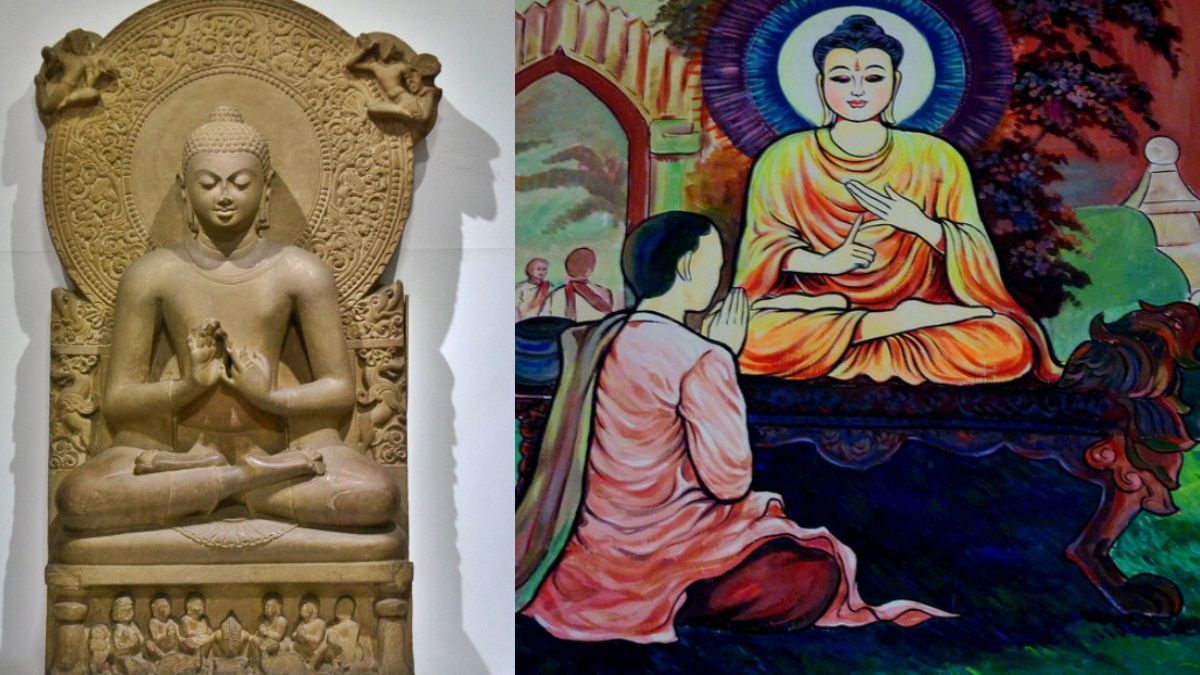
His life is remembered not only as a story of a spiritual leader but also as a journey of questioning, self-discovery and awakening.
The origin of Gautama Buddha?
Gautama Buddha was born Siddhartha Gautama, who is thought to have lived around the fifth century BCE. He was born in Lumbini, which is modern Nepal, into the Shakya community. Buddhist tradition describes his father, Suddhodana, as king or chief of the Shakya family and his mother as Queen Maya.
Related Articles


Siddhartha grew up well-off according to the accounts. But after he settled down in the comfort of his comfortable life he was curious to understand human suffering and what is the meaning of life.
The Four Sights That Changed His Life
One of the most important stories of Buddha's life describes four sights that changed his view of the world. He saw an old person, a sick person, a dead body and a wandering ascetic.
He learnt from these experiences that age, illness and death are inevitable parts of life. He also learnt that one can devote themselves to finding spiritual truth.
Related Articles


Siddhartha left his privileged life to come to know suffering and find lasting peace with these questions.
The Journey to Enlightenment
Siddhartha studied with spiritual teachers and took up intense forms of self-discipline after leaving his home. He finally realized that neither extreme luxury nor severe self-denial suited him the answer that he sought.
He adopted what would become known as the Middle Way and that is something that avoids indulgence and extreme hardship.
According to Buddhist tradition, Siddhartha meditated under the Bodhi tree in Bodh Gaya, present-day Bihar, India, where he reached enlightenment. After that awakening, he became the Buddha, meaning "the Awakened One."
Then he taught others how to understand suffering and how to move them towards liberation.
The spiritual significance of Gautama Buddha.
Buddha's spiritual significance lies in his message that peace begins with understanding the mind. He told us that anger, uncontrolled desires, attachment and ignorance can cause suffering.
His teachings are that you need to think and feel and respond to life’s difficulties with awareness rather than going off the rails.
Buddhism does not believe in material wealth or external success as the purpose of life. It is based on wisdom, ethical living, compassion and the slow development of inner freedom.
The Four Noble Truths
The Four Noble Truths are the foundations of Buddha's teachings:
-
The truth of suffering: Life involves suffering, dissatisfaction and difficulties.
-
The origin of suffering: Craving and attachment contribute to suffering.
-
The end of suffering: Freedom from suffering is possible.
-
The path to its end: The Noble Eightfold Path offers a way towards liberation.
These teachings invite people to understand the causes of their unhappiness and make conscious changes in how they think and live.
The Eightfold Path and Its Message
And the Noble Eightfold Path points followers in the direction of a balanced and fulfilling life. That is to say, understanding, intention, speech, action, livelihood, effort, mindfulness and concentration.
Together, these principles encourage honesty, kindness, self-discipline and awareness. Even outside of religious practice, people can implement these ideas by thinking carefully and not doing bad things in their lives and becoming more self-aware when we make decisions.
The Teachings of Buddha’s Teachings Matter Today.
Buddha’s teachings have relevance today in a world of stress, competition and constant distractions. Meditation and mindfulness can help people become more aware of their feelings and thoughts; compassion is good for relationships.
His message is not to say that one should necessarily escape from every difficulty. It is to encourage them to understand life’s challenges and respond with wisdom instead of anger or fear.
Conclusion.
Gautama Buddha’s journey from Siddhartha Gautama to an enlightened spiritual teacher represents the search for truth, understanding and inner peace. His teachings make us want to live with compassion and mindfulness and not just for the sake of the moment.
The spiritual message of Buddha is simple but profound: lasting peace starts with knowing ourselves and treating others with kindness.



Comments 0