
Gowri Habba 2026 is one of the most important festivals celebrated by women and families in Karnataka and many other parts of South India. The festival is dedicated to Goddess Gowri, who is a revered form of Goddess Parvati and the mother of Lord Ganesha. Gowri Habba is celebrated just before Ganesh Chaturthi and is associated with prayers for prosperity, happiness, family well-being and marital harmony.
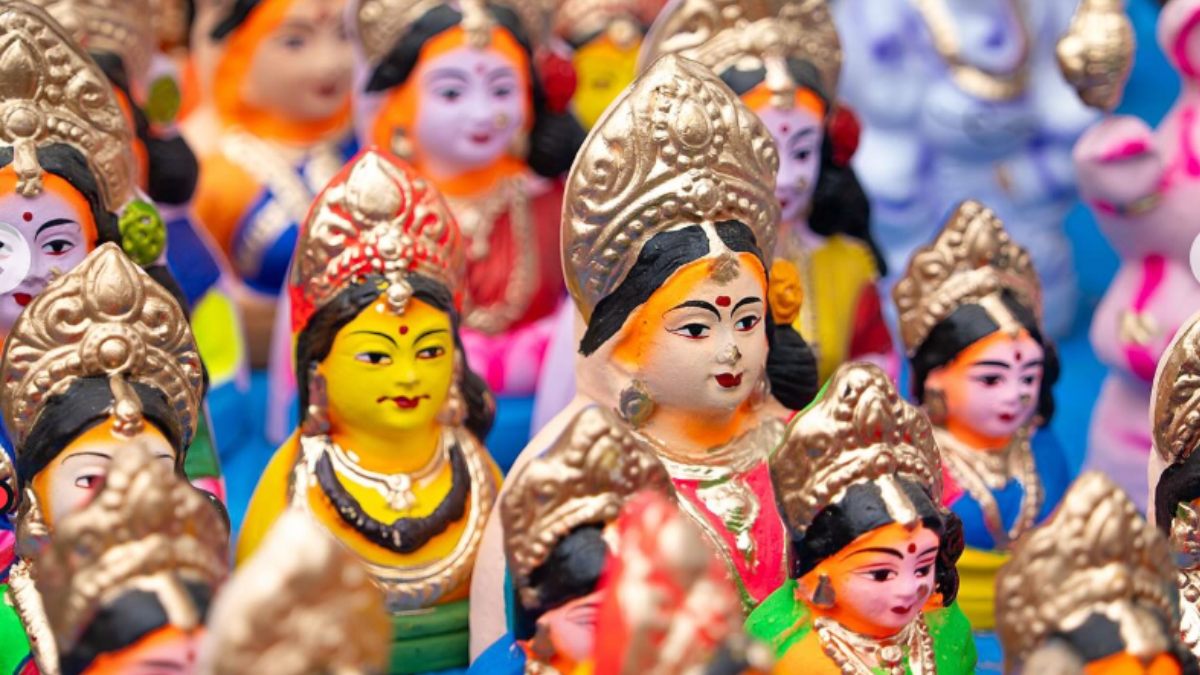
The festival is also called Swarnagowri Vrata or Swarna Gowri Vrata. On this auspicious day devotees prepare their homes, install a symbolic representation or idol of Goddess Gowri and perform special prayers. Women follow the vrata and pray to the goddess for the protection of their families.
Gowri Habba 2026 Date and Muhurat
Gowri Habba is celebrated according to the Hindu lunar calendar on Shukla Tritiya, the third day of the bright fortnight of the month of Bhadrapada. In 2026 it falls on the day of Ganesh Chaturthi celebrations.
Related Articles
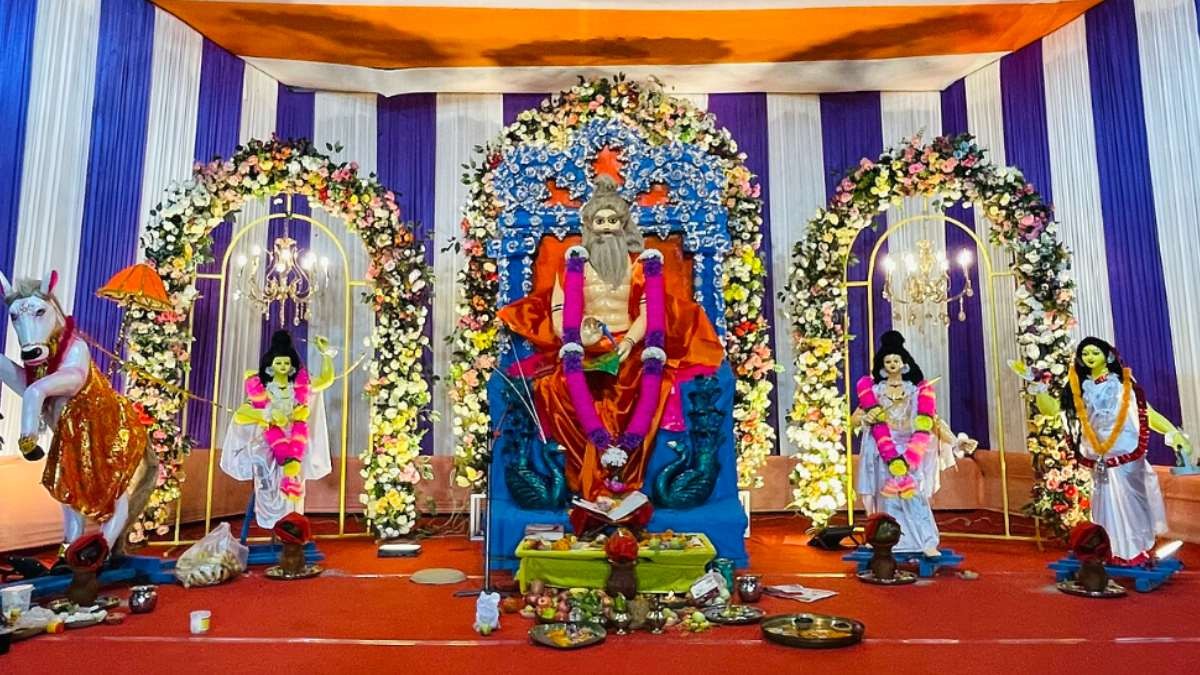

The exact puja muhurat can vary depending on the location because Hindu festival timings are calculated according to the local sunrise, sunset and lunar tithi. Devotees should therefore check the local panchang for the precise auspicious time in their city before beginning the puja.
If Gowri Puja is performed in the appropriate tithi and muhurat, it is very important in traditional practice.
Gowri Habba Puja Vidhi
On Gowri Habba, devotees usually begin the day by cleaning and decorating their homes. The puja area is decorated with flowers, rangoli and traditional ornaments. A Gowri idol or kalasha representing the Goddess is placed on a decorated platform.
Related Articles
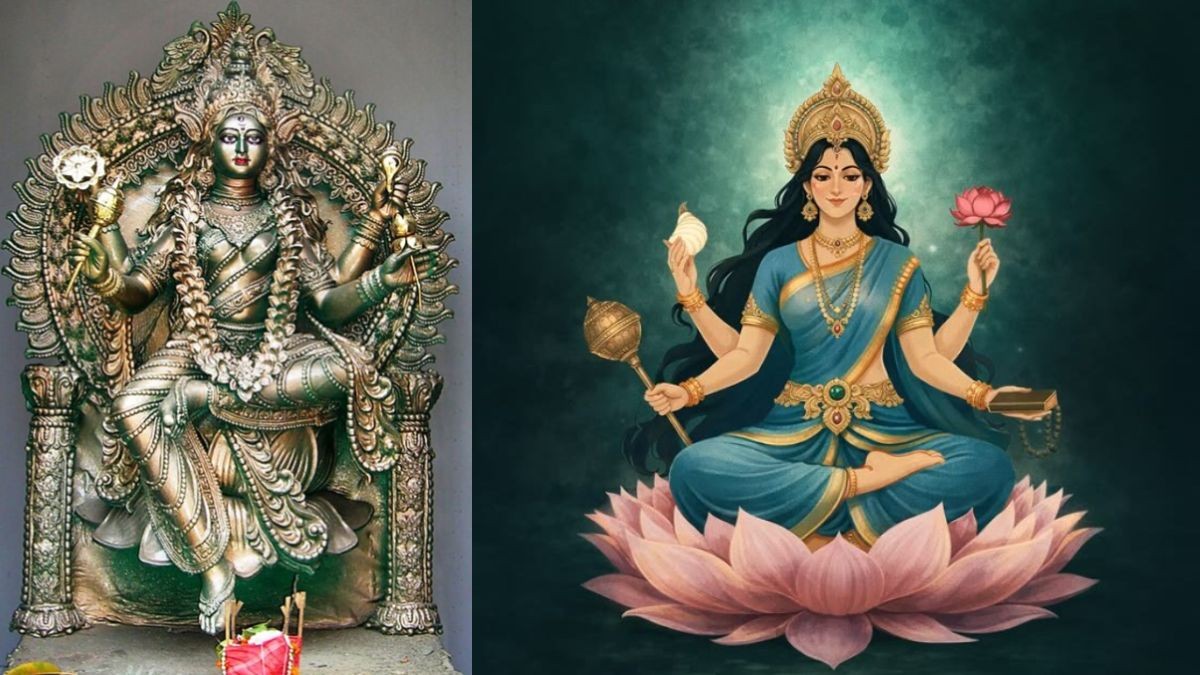
The Goddess is then offered turmeric, kumkum, sandalwood, flowers, fruits, betel leaves and other traditional offerings. In Karnataka households, the Gowri idol is usually beautifully decorated with jewellery, sarees and other ornaments.
Devotees perform the puja by invoking Goddess Gowri and asking for peace, prosperity and family welfare. Women who follow the vrata can also perform traditional rituals associated with Swarnagowri Vrata.
One of the traditional customs associated with the festival is the Gowri bagina. It usually contains turmeric, kumkum, bangles, betel leaves, fruits, grains and other auspicious things. Women who are married exchange or offer bagina as part of the traditional celebration.
Gowri Puja Mantra
Devotees can chant traditional prayers dedicated to Goddess Gowri during the puja. One commonly recited mantra is:
“Om Gauryai Namah”
The mantra can be chanted with devotion while offering flowers and prayers to the Goddess. Devotees can also recite Gowri Ashtottara Shatanamavali, Lalitha Sahasranama or other traditional prayers according to their family customs.
Significance of Gowri Habba
Goddess Gowri is regarded as a symbol of strength, purity, prosperity and marital happiness. Gowri Habba commemorates the arrival of Goddess Parvati to her devotees’ homes in Hindu tradition.
Married couples may also attend and pray for the well-being and long life of their husbands and the prosperity of their families.
Gowri Habba is also important culturally in Karnataka. Families come together to make traditional food, to decorate their homes and to be part of rituals passed down through the generations.
Gowri Habba and Ganesh Chaturthi
Gowri Habba is closely associated with Ganesh Chaturthi as Goddess Gowri is worshipped immediately before Lord Ganesha in many traditional households. The reason behind this sequence is that Goddess Gowri arrives first, followed by her son Ganesha.
So many homes in Karnataka start their celebrations with Gowri Habba before preparing for Ganesh Chaturthi. The two festivals together give birth to a religious and cultural celebration for families.
Though community rituals differ from household to household, Gowri Habba’s message is devotion, gratitude and prayers for family happiness and prosperity.
Devotees are encouraged to follow family traditions and local panchang while observing the festival. Festival times and rituals may vary from place to place, so before performing the main puja check the local calendar.


Comments 0