
Hinduism and Buddhism are among the world’s oldest spiritual traditions, both of which came from the Indian subcontinent. Because of their similarities such as karma, dharma, meditation, rebirth and liberation, people sometimes ask if they are the same religion.
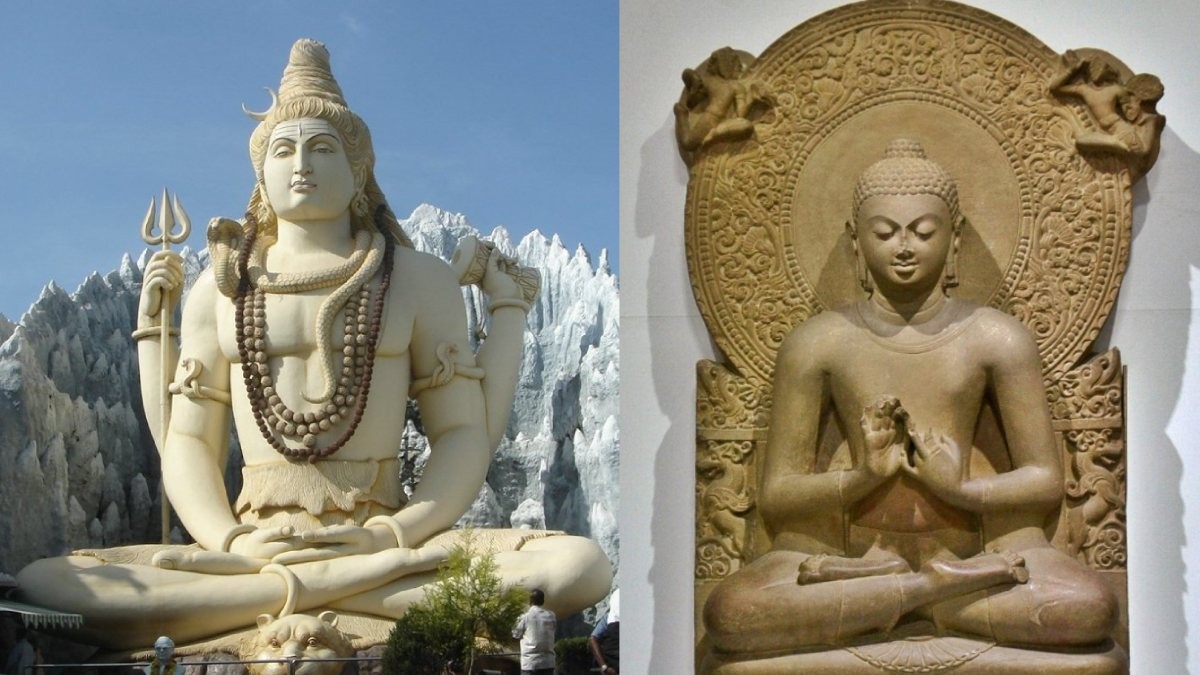
They are not the same. But they have the same historical roots and a few spiritual ideas and offer different understandings of the self, reality and ultimate goal of spiritual practice.
The Shared Spiritual Ground
In one of the most beautiful similarities between Hinduism and Buddhism is their focus on inner transformation.
Related Articles

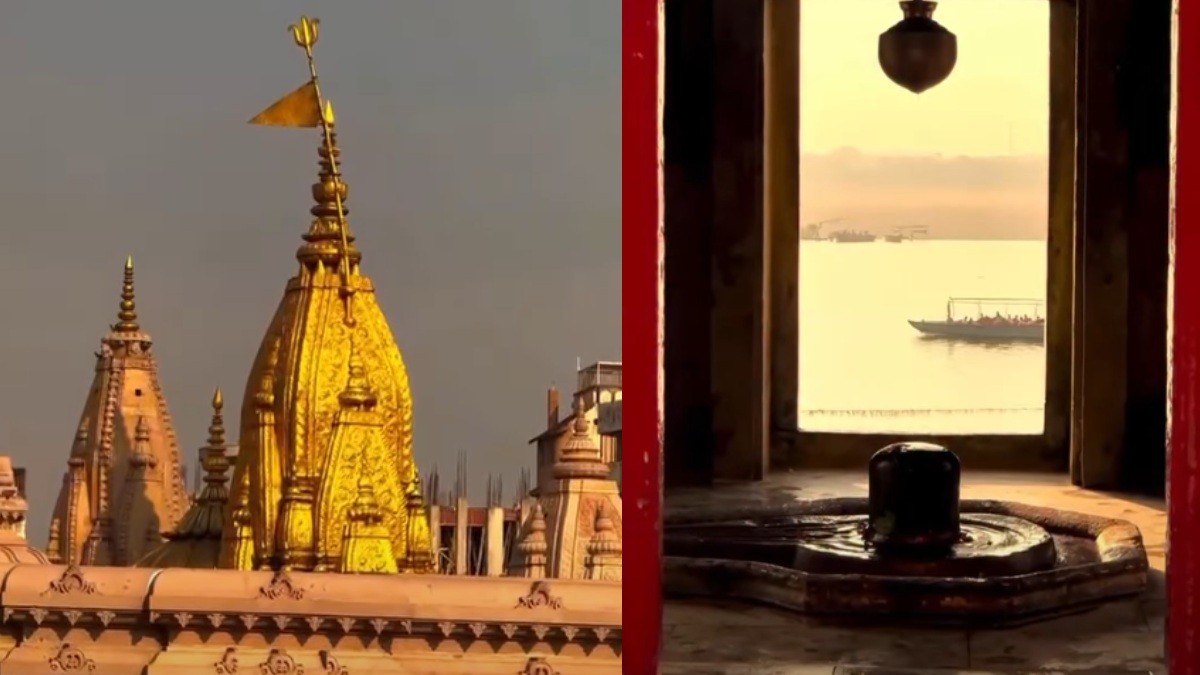
Both traditions state that our life is one of suffering, attachment and perpetual cycles of life. Spiritual practice is thus not only about external rituals, but about changing consciousness and getting to see things with a greater degree.
Both traditions also place a high value on karma. In general, what happens has consequences that impact life and spiritual journey.
Meditation, mindfulness, ethical living, compassion and self-discipline are also important practices, which are in the same Hindu and Buddhist traditions.
Related Articles
Dharma and the spiritual journey
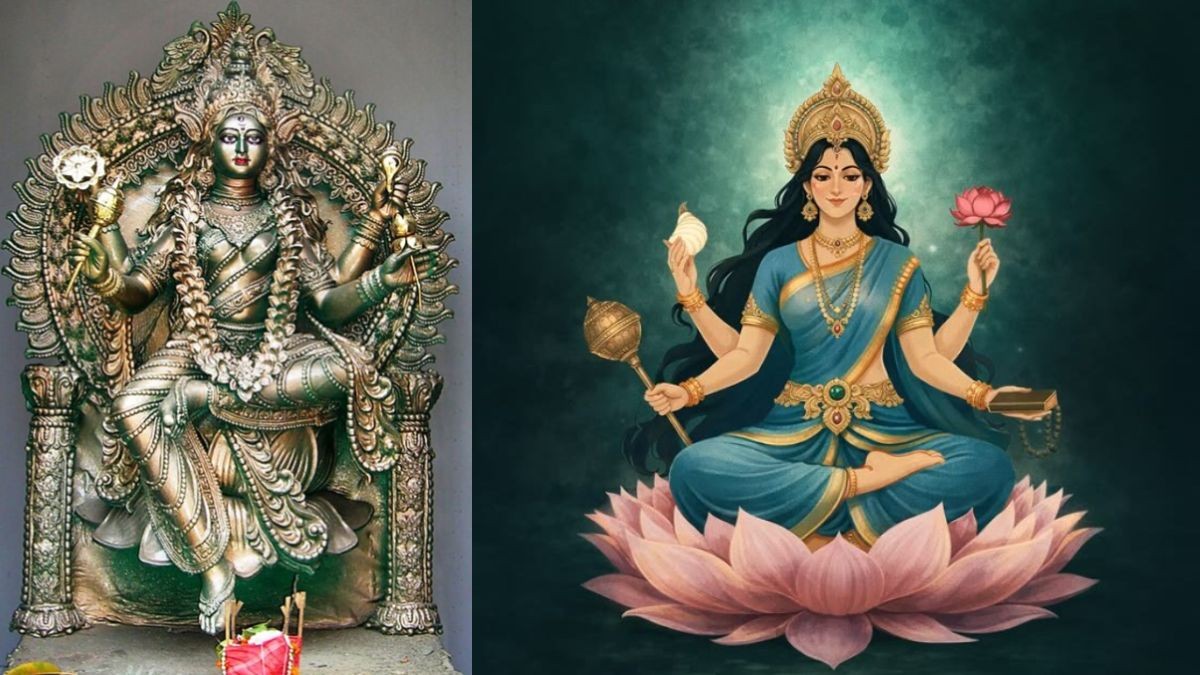
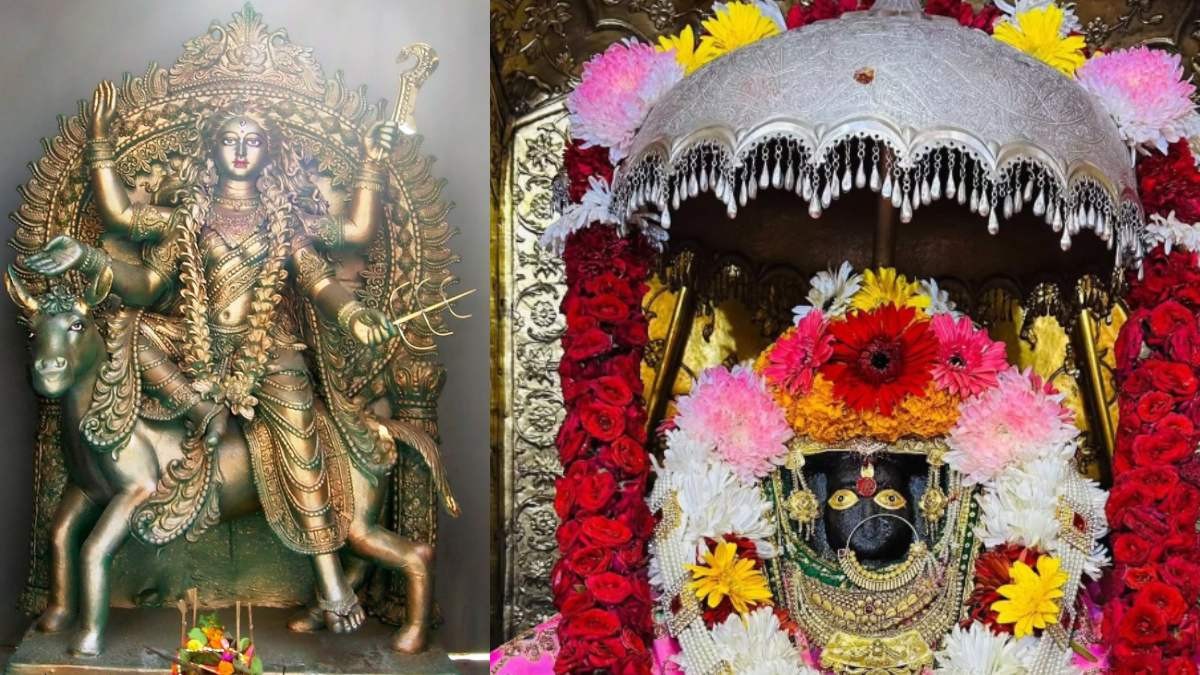
The notion of dharma is present in both traditions, but it is not the same and the meaning and interpretation of dharma is different.
In Hindu philosophy, dharma means righteous life, duty, moral order and responsibilities based on one’s stage and circumstances in life.
In Buddhism, Dhamma/Dharma is the term that describes Buddha’s teachings in general and about reality in general. Following Dharma is to follow the Dharma and to walk the path leading to freedom from suffering.
In both of these cases, spiritual life is turning from selfishness to wisdom and ethical awareness.
A major difference: The nature of the self.
One of the important philosophical differences is the self.
Many Hindu philosophical traditions think of Atman, an enduring spiritual self or inner essence. Liberation, or moksha, and many Hindu schools connect liberation to the sense of being in deep self and its relationships to ultimate reality.
Buddhism, however, teaches Anatta, commonly translated as "non-self." Rather than an eternal and unchanging self, Buddhist teachings point out that the self is made up of changing physical processes and mental processes.
This is a fundamental difference between the two traditions.
Moksha and Nirvana
Both traditions speak of freedom from the cycle of suffering and rebirth but they describe this spiritual freedom differently.
Hindu traditions have a concept called moksha, liberation from samsara. Depending on the school, this may be union with or realisation of ultimate reality.
Buddhism is about nirvana; the elimination of craving, ignorance and the causes of suffering. The Buddhist path aims to awaken through wisdom, ethical behaviour and meditation.
Different Paths, common spiritual values.
Hinduism’s philosophical schools, devotional traditions, deities and spiritual practices are all present. Buddhism developed from the teachings of Gautama Buddha and includes major traditions like Theravada, Mahayana and Vajrayana.
While they are not identical, both encourage compassion, self-discipline, awareness and freedom from attachment.
Are Hinduism and Buddhism the Same?
No. Hinduism and Buddhism are different spiritual and religious traditions, and it would be inaccurate to describe them as completely identical.
They are not unrelated, but they are not completely unrelated. Their shared history and spiritual vocabulary make for very meaningful overlap.
One of the most beautiful ways to see the relationship is in terms of them as two ancient spiritual paths that take us through very similar landscapes and yet give different explanations of what lies at the end of the journey.
Final Spiritual Reflection
As a comparison between Hinduism and Buddhism is not about which path is “right.” Both traditions invite us to look inward, overcome ignorance and attachments, develop wisdom, and change the way we experience life in a way we might not have thought of previous generations.
They differ greatly in important ways, yet at least both teach the spiritual seeker that awakening does not begin with changing the world outside, but with understanding the world inside of us and in the consciousness within.



Comments 0