
Indira Ekadashi is a key Ekadashi in the Hindu calendar since it falls on Pitru Paksha, a period of remembering and honouring the departed ancestors. Devotees pray to Lord Vishnu and seek blessings for their ancestors on the fast.
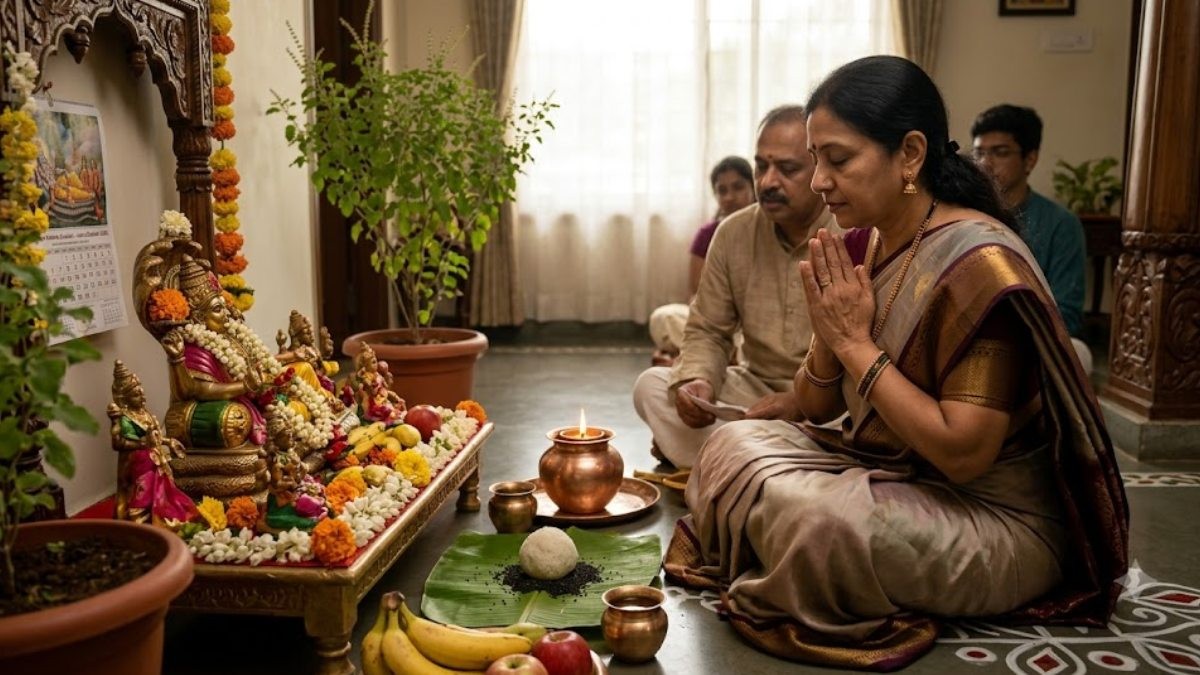
The day is important for religious reasons because it combines Ekadashi spiritual practices with Pitru Paksha to create a day of worship; of remembering (and prayers for) the dying family members.
Indira Ekadashi is observed on the 11th lunar day of the Krishna Paksha of the month Ashwin according to many Hindu calendars. As the date of Ekadashi is different every year according to the lunar calendar, an average Hindu devotee will consult their local panchang to know when the fasting day will be held.
Related Articles
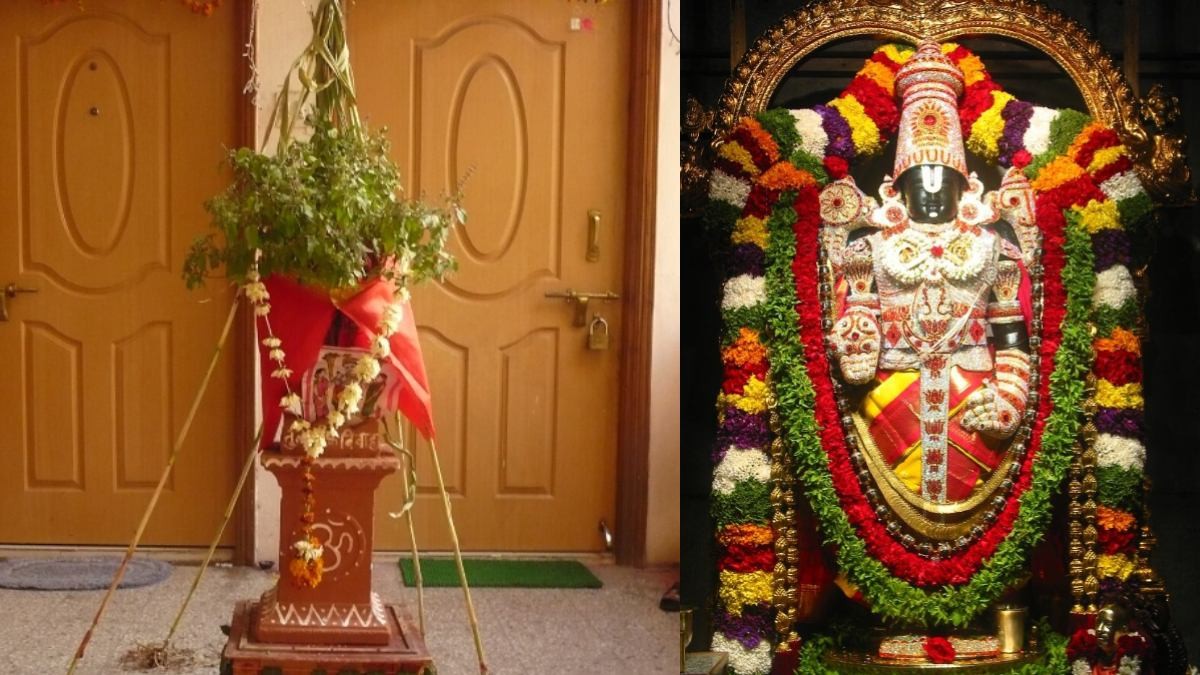

Indira Ekadashi’s chief religious association is with Lord Vishnu, who is worshipped through prayers, meditation, devotional activities and fasting. Vishnu is traditionally the preserver in Hindu theology and devotees think that genuine worship on Ekadashi can aid in developing spiritual discipline and dedication.
Indira Ekadashi is associated with Pitru Paksha and this approximately fortnight-long period is typically spent in prayers, remembrance and rituals for ancestors. Family members will perform different rituals and offerings according to their customs and to express gratitude to the people that came before them.
According to religious traditions of Indira Ekadashi, the vrat and the spiritual value of the fast to one's ancestors can help departed souls to be at peace and to be healthy. Hindu scriptures and devotional traditions can tell us so. So the day is both spiritual and a way to remember the family members who have already died for devotees.
Related Articles
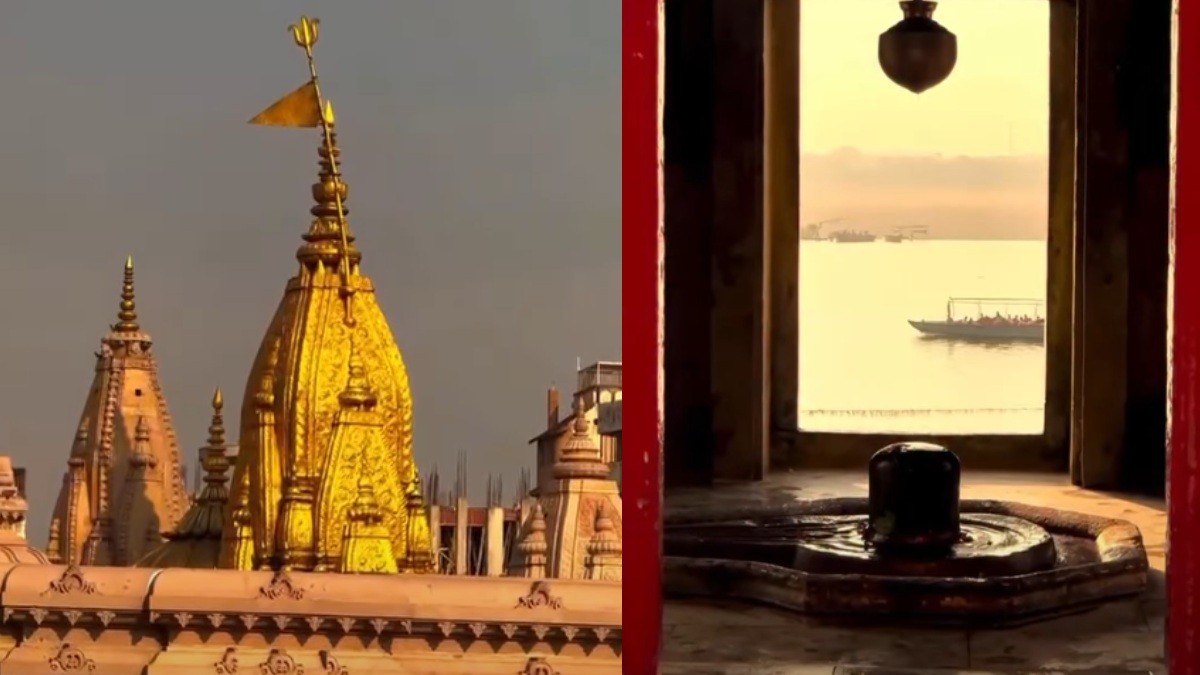
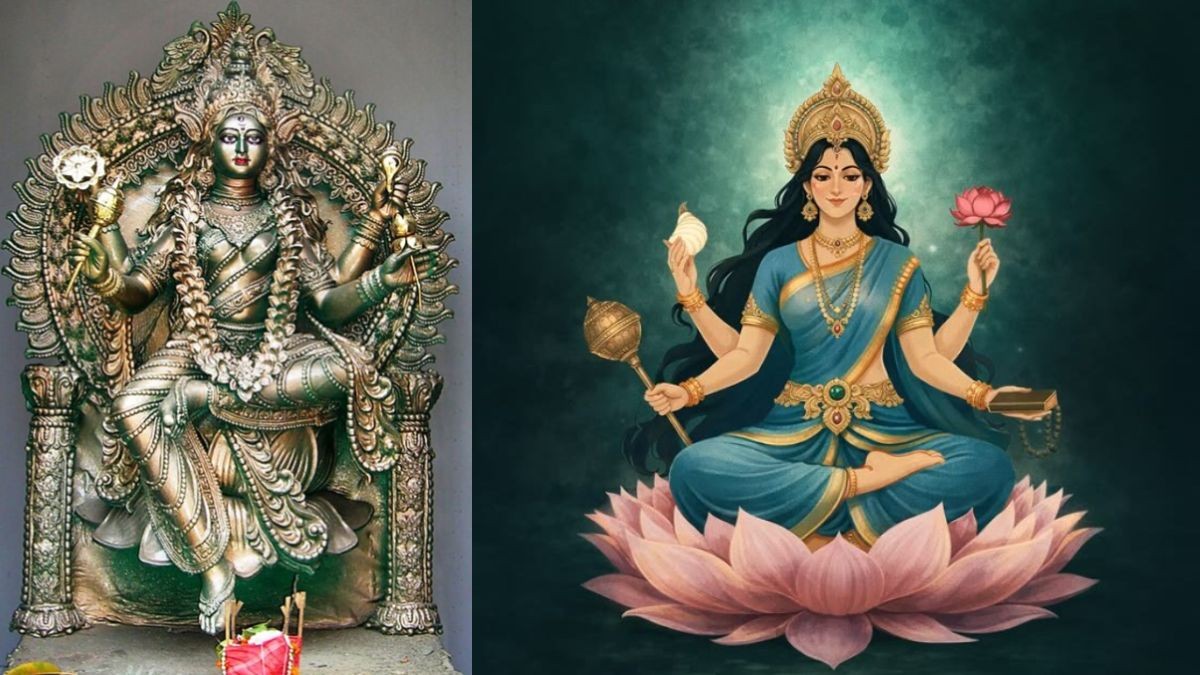
Fasting can vary by person and region and family tradition. Some devotees fast without eating, some take a simpler diet (fruits, milk or some other vrat preparation) and some don’t eat at all. They do not eat grains and some other foods associated with regular meals during Ekadashi fast. People who are fasting during the vrat spend more time in prayer, reading religious books or chanting Vishnu-related mantras.
Devotees may start the observance with a ritual bath and prayers, followed by a sankalp, or religious resolve to take the fast and then to pray and take that fast. Lord Vishnu is then worshipped with flowers, fruits and other goods according to their own customs. Some of them also visit Vishnu temples and do special prayers and bhajans.
Indira Ekadashi and ancestors are very closely connected and the connection is so important during Pitru Paksha. In families, we will say thanks to our forefathers and remember them for all that they have done for our family. Indira Ekadashi adds a devotional dimension to the remembrance of their ancestors (people believe prayers and spiritual merit can be offered on behalf of our ancestors).
Another important aspect of the observance is charity and acts of kindness. Depending on the local customs, devotees can donate food, clothes or other essentials to those in need. These are seen as devotional acts and are performed in memory of their ancestors.
Indira Ekadashi has religious meaning, even in the sense of fasting, devotion and memory. Although the rituals may vary from place to place and family to family the basic idea is one of faithfulness and respect for the ancestors. And this day is not only one of fasting, it is one of turning inward in order to strengthen their faith and venerate Lord Vishnu and their family.
Indira Ekadashi in Pitru Paksha is a very meaningful one to Hindu people. It celebrates the values of faith, gratitude, remembering, self-discipline and charity and therefore it is an important day of religion.



Comments 0