
Isha temples and spiritual places have become prominent destinations for people seeking meditation, yoga and a deeper connection with themselves. Established by the Isha Foundation, these spaces are based on a combination of ancient yogic philosophies with modern ways of thinking.
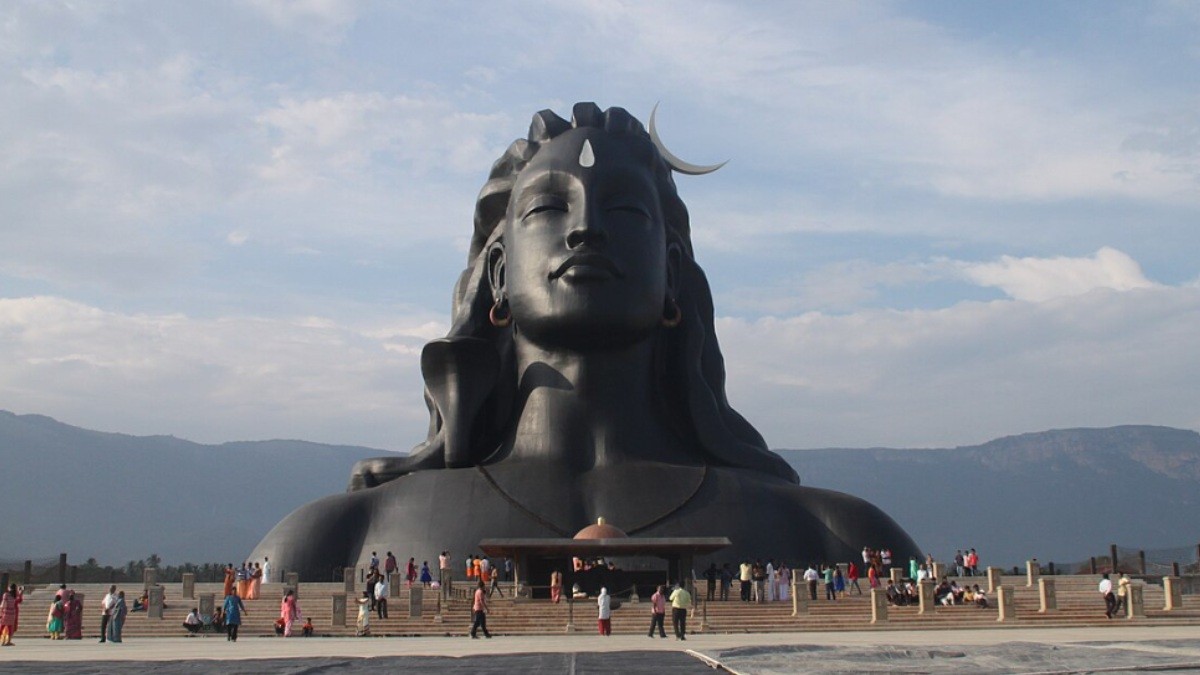
As opposed to just places of worship, many Isha spaces are designed in the name of meditation, contemplation and inner exploration. Their architecture, symbols and practices are closely related to yogic traditions.
The spiritual idea behind Isha spaces
At the heart of Isha's approach is the idea that spirituality is an inner experience. Yoga is not just physical exercise; it is about building a perfect equilibrium between the body, the mind and the emotions and inner energy.
Related Articles

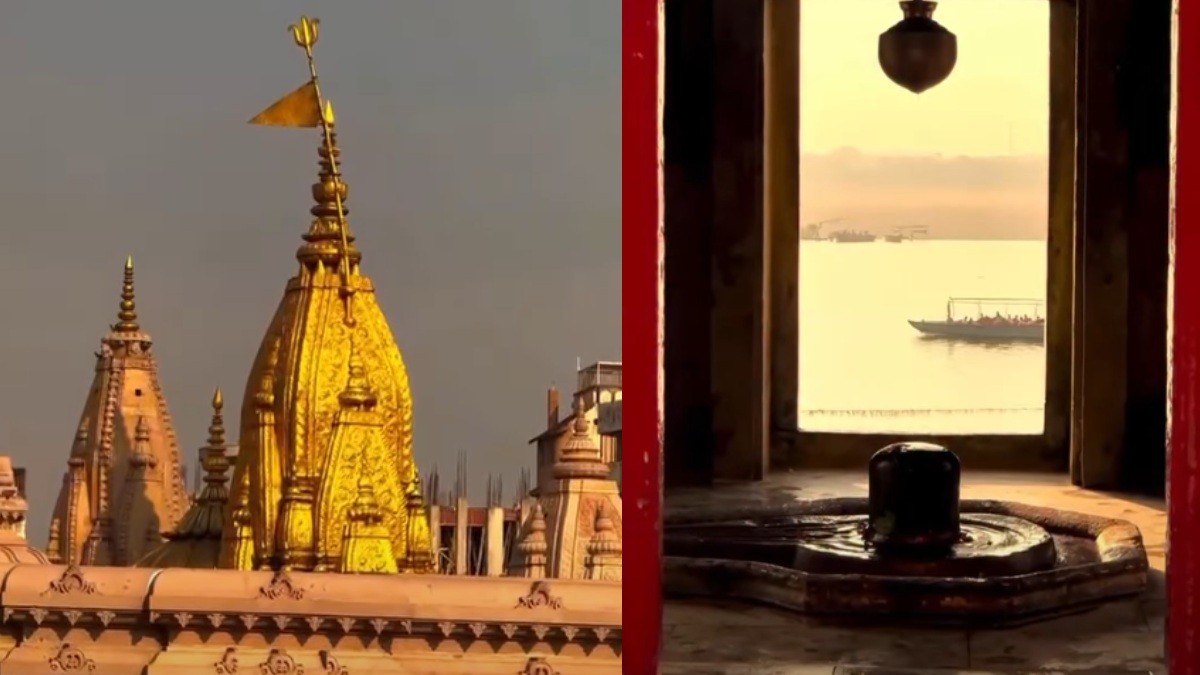
The spaces around Isha are thus meant to promote stillness and awareness. Visitors may come for different reasons—meditation, yoga, prayer, reflection or simply the atmosphere—but the basic theme is inner wellbeing and change.
Dhyanalinga’s Meditation space.
Dhyanalinga is one of the best known spiritual spaces at Isha Yoga Center in Coimbatore. As Isha Foundation describes it, it is a powerful yogic energy form of meditation.
Dhyanalinga is associated with meditation and silence and not rituals and offerings like in any other temple. There is no requirement to be in a particular religion and visitors should be allowed to sit and observe the space.
Related Articles
Adiyogi and the symbolism of yoga
Adiyogi shrine and the huge Adiyogi statue at Isha Yoga Center are another dimension of Isha's spiritual identity. Adiyogi is believed to be the first yogi and the source of yoga in the yogic tradition.
Adiyogi’s symbolism is about human beings moving beyond the physical and mental limitations. It reminds visitors that yoga has always been about reaching toward the possibility of humanity and also about the inner self.
Architecture as spiritual experience
Architecture plays a significant role in Isha spaces. Domes, sculptures, pathways and meditation areas are meant to create a space of contemplation.
The design encourages visitors to slow down and become more aware of their surroundings. So in that sense the physical environment becomes part of the spiritual experience rather than the background for the religious activity.
A place for Inner Reflection.
The essence of Isha temples lies in the experience each visitor brings. Meditation can bring peace to some and Adiyogi symbolic background or an abiding silence to others.
As spirituality seekers, such spaces can offer an opportunity to temporarily step away from everyday distractions and reflect on life, consciousness and personal growth.
We conclude.
Isha temples and spiritual spaces are the modern manifestation of India’s long yogic tradition. Meditation spaces, sacred symbols, architecture and yoga practices encourage visitors to experience spirituality as a spiritual journey in themselves.
Whether a place of devotion, meditation or quiet reflection, their main message is one of turning inward to discover greater awareness and balance.



Comments 0