
Jagran (or staying awake) or keeping vigil in Hindu terms is a deep rooted devotional practice. In a Jagran people spend the night in prayers, bhajans (devotional songs), chanting and spiritual reflection rather than sleeping. It is viewed as an act of gratitude, faith and worship to God and the divine and to find inner peace.
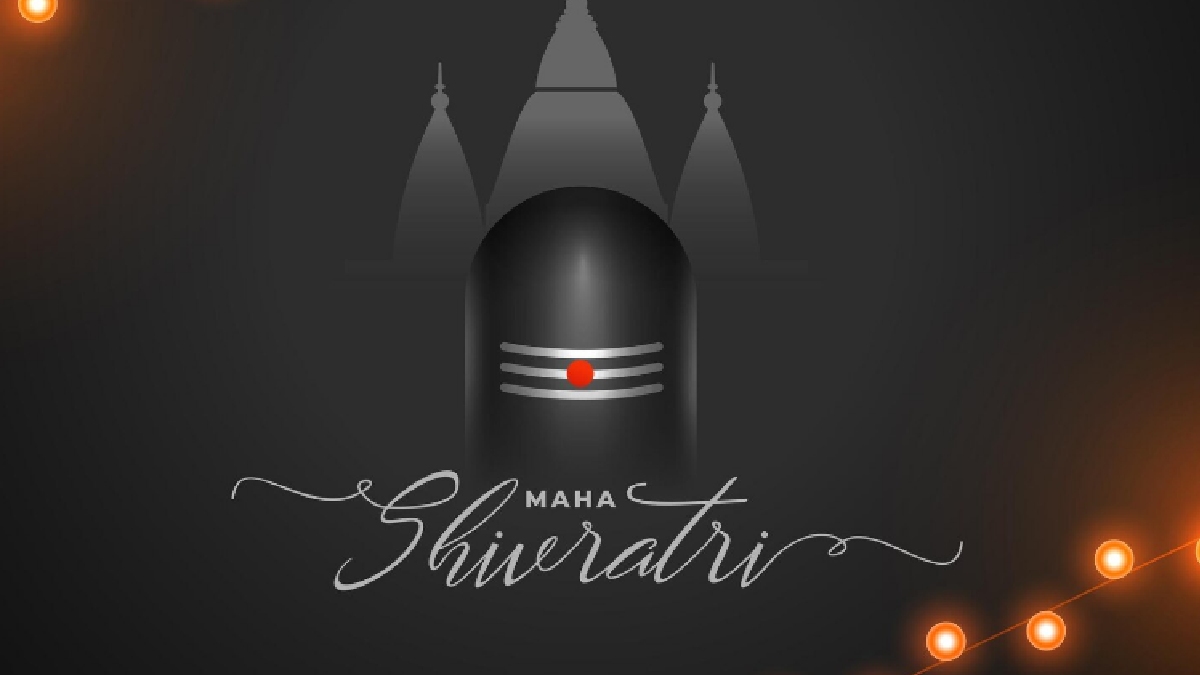
Jagran is often dedicated to Goddess Durga, Vaishno Devi, Lord Shiva, Lord Hanuman and Lord Krishna, depending on the occasion and local customs. The practices vary across India but the main aim remains the same to devote a full night to worship and spiritual connection.
What is Jagran
A Jagran is an overnight religious meeting where devotees remain awake at night to sing hymns, listen to devotional discourses, read holy words, recite holy verses, recite sacred texts and pray together in group prayers. It may be held at temples, community halls, or private homes to celebrate festivals, perform a religious vow, celebrate auspicious days, or express gratitude for the blessings that they have received, or to do so in the name of the deities.
Related Articles

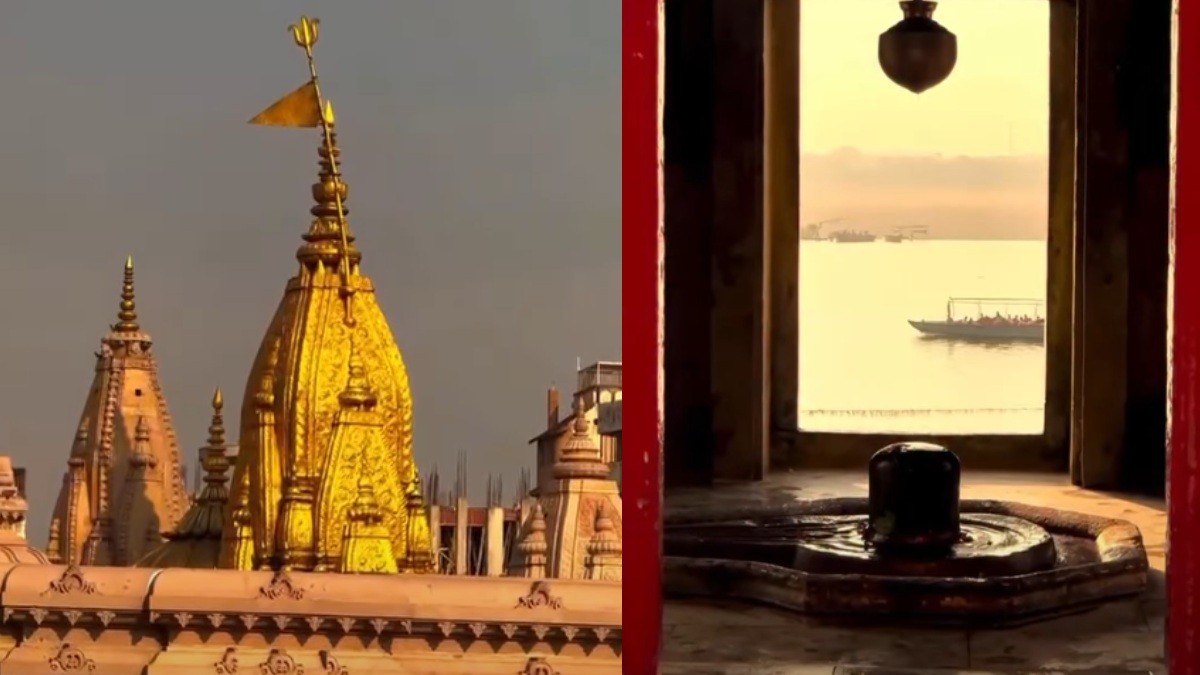
Unlike normal worship each day, Jagran is considered one of the special occasions which encourages continuous devotion all night.
Spiritual Significance of Jagran
Hindu philosophy states that staying awake during a Jagran represents spiritual awareness and victory of light over ignorance. The vigil is a reminder to be mindful and connected to the Divine, not only when we go to religious ceremonies but also in our everyday life.
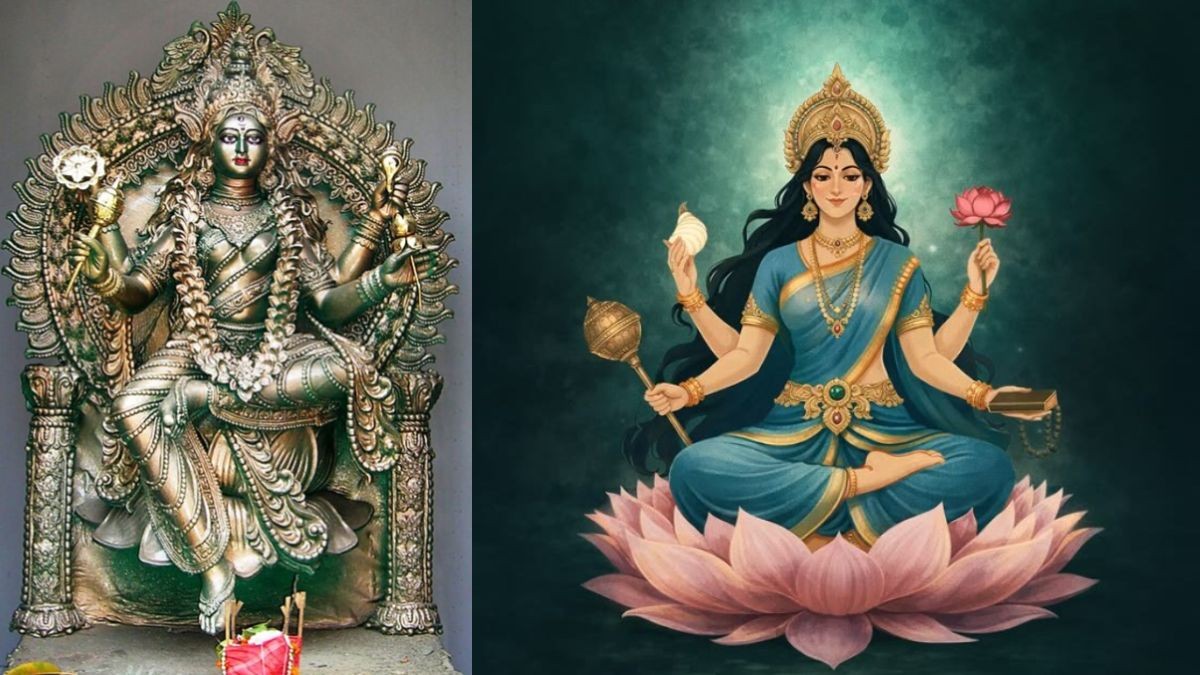
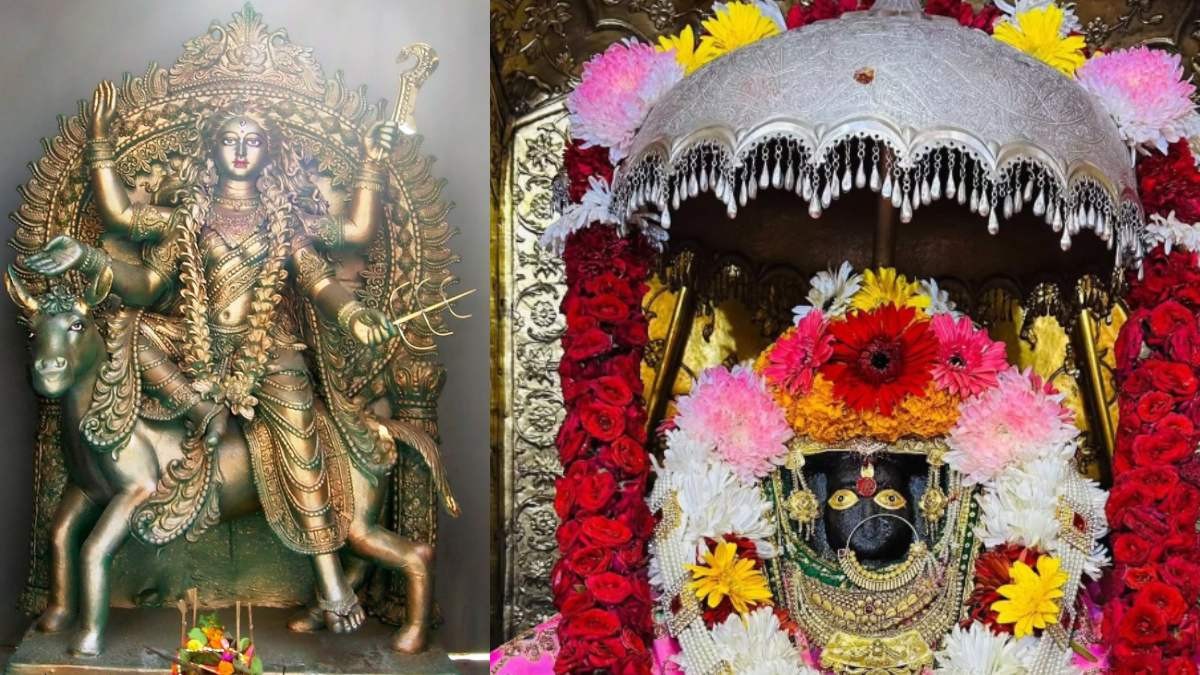
Many devotees believe that spending the night in prayer helps cultivate:
Related Articles
- Inner peace and devotion
- Mental discipline
- Gratitude and humility
- A sense of community
- Spiritual reflection
The practice is less about staying awake physically and more about maintaining a state of spiritual alertness.
Common Occasions for Jagran
Jagran is observed on some important Hindu festivals and life events, including:
- Navratri
- Maha Shivaratri
- Krishna Janmashtami
- Hanuman Jayanti
- Vaishno Devi celebrations
- Housewarming ceremonies
- Birthdays or anniversaries celebrated with prayers
- Fulfillment of personal vows or thanksgiving
The style and duration of the event may differ depending on regional traditions and family customs.
Rituals Performed During Jagran
While each Jagran is unique, there are quite a few devotional practices that are common in all.
Bhajans and Kirtans
Devotional songs sung for the chosen deity are at the heart of a Jagran. Musicians or local devotional groups lead bhajans and kirtans, and encourage everyone to sing together.
Chanting and Prayers
Sacred mantras, stotras and hymns are recited throughout the night. These prayers bring a calm atmosphere to meditation and encourage the people’s minds to be devoted to the devotion.
Reading Sacred Scriptures
Passages from religious texts like Bhagavad Gita, Ramcharitmanas, Durga Saptashati or any other scriptures can be read and explained, depending on the deity that is worshipped.
Aarti
The evening and early morning usually includes one or more Aarti ceremonies, where lamps are offered before the deity while devotional songs are sung.
Prasad Distribution
At the end of the Jagran, Prasad (sanctified food) is distributed among devotees as a symbol of divine blessings and shared devotion.
Mata Ki Chowki and Jagran
Many people associate Jagran with Mata Ki Chowki, a devotional gathering dedicated to Goddess Durga or Vaishno Devi.
While both involve devotional singing and prayers, Mata Ki Chowki is typically shorter in duration and may end before midnight. A Jagran usually continues throughout the night until dawn.
Regional customs may use these terms differently and practices can vary.
The Importance of Community
Jagran is not only a spiritual event but also a community celebration. Families, neighbors and friends come together to pray, sing and support one another.
The gathering strengthens social bonds and provides an opportunity to preserve devotional music, cultural traditions, and shared values across generations.
Preparing for a Jagran
If you’re in the process of organizing a Jagran or going to one, a few small preparations should be made so that it’s more comfortable:
- Wear modest and comfortable clothing
- Drink water throughout the night
- Participate respectfully in prayers and singing
- Follow the norms of the host or temple
- Take breaks if you are elderly, pregnant, or have medical conditions
Children and older adults may participate as their comfort and health allows.
A Tradition Rooted in Devotion
Jagran has been an integral part of Hindu religion for centuries because worship, music, scripture and community are all part of one experience. The atmosphere of communal worship in a village temple or a city home gives you peace and spiritual unity.
While staying awake all night is symbolic, the Jagran’s larger message is to awaken one’s mind and heart to compassion, faith and righteousness.
Jagran (Night Vigil) is a venerated devotional practice of dedication, faith and spiritual awareness. Through night prayers, bhajans, scripture readings and collective worship, devotees seek a closer connection with God and the rich traditions of Hindu culture. Although the practices differ between different parts of the world, the spirit of Jagran has been the same: giving devotion and gratitude. Jagran is celebrated on major festivals or personal occasions and has inspired millions of people to find inner peace, harmony and strong faith.



Comments 0