
Janmashtami is one of the most revered festivals in the Hindu calendar, celebrating the birth of Lord Krishna, who is traditionally regarded as the eighth avatar of Lord Vishnu. The festival is observed with fasting, devotional songs, prayers, midnight celebrations and visits to Krishna temples. In 2026, devotees will once again gather to remember the extraordinary story of Krishna's birth and the events that led to his safe arrival in Gokul.
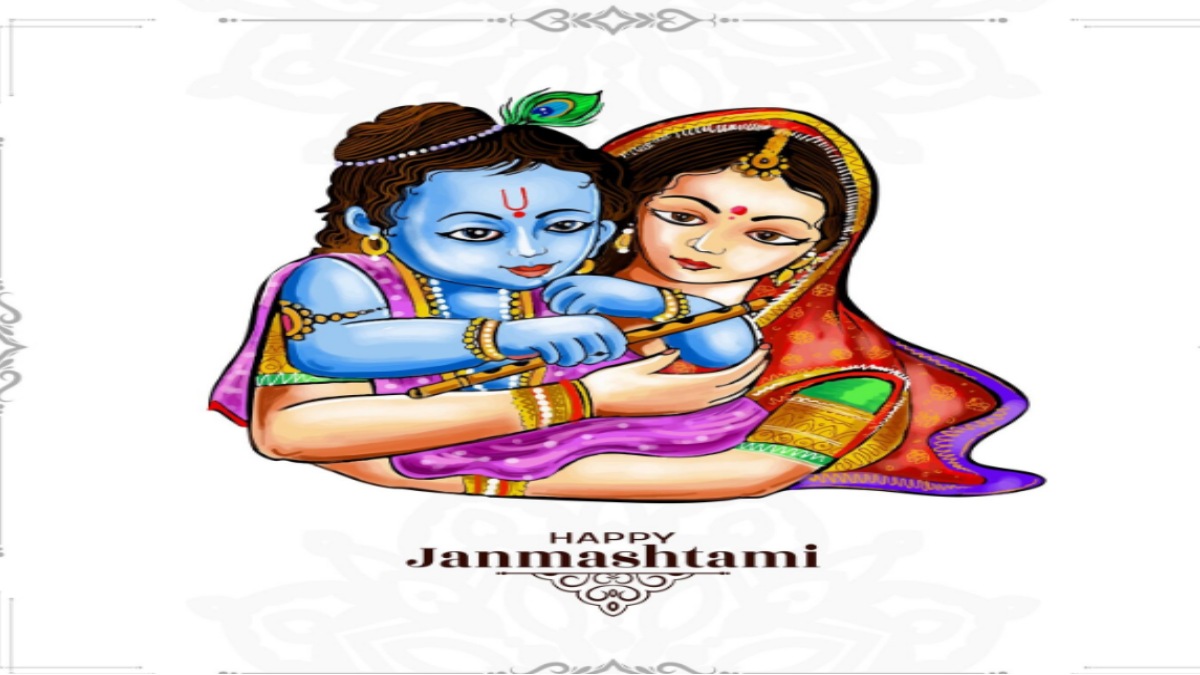
The story of Krishna's birth is not simply a tale of divine intervention. It is also a story of fear, courage, faith, sacrifice and the determination of his parents, Devaki and Vasudeva, to protect their child from the tyrannical King Kamsa.
The Prophecy That Terrified Kamsa
According to Hindu scriptures and traditional accounts, Krishna was born in Mathura, where his parents Devaki and Vasudeva lived. Devaki was the sister of Kamsa, the powerful ruler of Mathura.
Related Articles
On the day Devaki married Vasudeva, Kamsa personally drove the newlyweds' chariot. During the journey, however, a divine voice from the heavens announced a terrifying prophecy: Devaki's eighth son would be responsible for Kamsa's death.
The prophecy changed everything.
Kamsa, frightened by the prediction, immediately wanted to kill Devaki. Vasudeva pleaded with him and promised that every child born to Devaki would be handed over to him. Kamsa agreed to spare Devaki's life but imprisoned the couple.
From then on, Devaki and Vasudeva remained under guard in a prison in Mathura.
Related Articles


Kamsa's Cruelty
Devaki eventually gave birth to her first child. Vasudeva kept his promise and handed the baby to Kamsa. Although Kamsa initially returned the child, he later became increasingly consumed by fear.
According to the traditional story, Kamsa killed Devaki's first six sons because he believed the prophecy could eventually be fulfilled through one of them. Devaki and Vasudeva were devastated but remained imprisoned.
Their seventh pregnancy was also extraordinary. Traditional accounts say that the divine power of Lord Vishnu caused the unborn child to be transferred from Devaki's womb to that of Rohini, another wife of Vasudeva. The child was later known as Balarama, Krishna's elder brother.
The birth of the eighth child was therefore awaited with extraordinary tension.
Krishna Is Born at Midnight
When Devaki's eighth child was born, it was midnight. The prison was said to have been filled with divine light, and Krishna appeared in a divine form before his parents.
Traditional accounts describe Krishna revealing his identity to Devaki and Vasudeva and reassuring them that he had come to restore righteousness and defeat evil.
Devaki and Vasudeva were filled with both joy and fear. They knew that Kamsa would attempt to kill the newborn child if he discovered his presence.
Krishna then instructed Vasudeva to take him across the Yamuna River to Gokul, where Nanda and Yashoda lived. He was to exchange Krishna with the newborn daughter of Yashoda and bring the girl back to Mathura.
The Prison Doors Open
What happened next is regarded as one of the most miraculous moments in the Krishna birth story.
Vasudeva placed the newborn Krishna in a basket and prepared to leave the prison. According to tradition, the chains binding Vasudeva fell away and the prison doors opened on their own.
The guards were said to have fallen into a deep sleep, allowing Vasudeva to quietly leave the prison with the baby.
Carrying Krishna, Vasudeva began his journey through the dark night toward Gokul.
Vasudeva Crosses the Yamuna
The journey required Vasudeva to cross the Yamuna River, which was flowing strongly. Despite the dangerous conditions, Vasudeva stepped into the river carrying the newborn Krishna above his head.
Hindu tradition describes this moment as another example of divine protection.
As Vasudeva crossed the river, the waters of the Yamuna are believed to have parted or lowered sufficiently to allow him to proceed. Another important figure associated with this scene is Shesha Naga, the divine serpent traditionally described as protecting Lord Vishnu. Shesha is said to have spread his hood over Krishna, shielding the baby from the rain.
Eventually, Vasudeva reached Gokul safely.
Krishna Is Taken to Yashoda
At Gokul, Nanda and Yashoda had just welcomed a baby. According to the traditional account, Yashoda was exhausted and asleep after giving birth.
Vasudeva quietly entered the house and placed baby Krishna beside Yashoda. He then took Yashoda's newborn daughter and returned toward Mathura.
The exchange was crucial because Kamsa was waiting for Devaki's eighth child, believing the prophecy would reveal itself through that baby.
Vasudeva successfully returned to the prison before the guards awakened.
Kamsa Tries to Kill the Baby
When the news reached Kamsa that Devaki had given birth, he rushed to the prison. Devaki pleaded with her brother not to harm the newborn girl.
Kamsa, however, remained determined to eliminate the child he believed could threaten him.
He seized the baby and attempted to kill her. But the child slipped from his hands and rose into the air.
The baby revealed herself as a divine goddess and warned Kamsa that the person destined to destroy him was already alive elsewhere.
The revelation intensified Kamsa's fear. He began searching for the child who would ultimately bring an end to his reign.
Krishna Grows Up in Gokul
Meanwhile, Krishna grew up safely in Gokul under the loving care of Nanda and Yashoda.
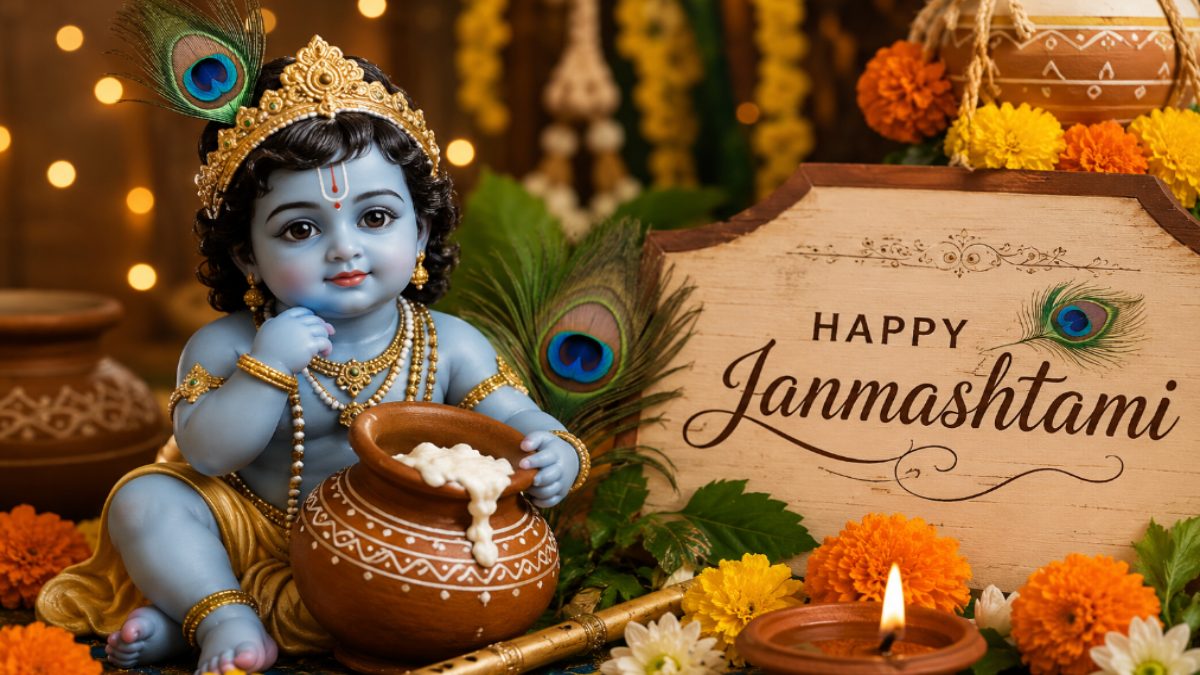
His childhood became the source of countless beloved stories in Hindu tradition. Krishna was portrayed as a playful child who loved butter, played with the children of Gokul and enchanted everyone around him.
At the same time, Kamsa continued to send powerful demons to find and eliminate Krishna. Traditional stories describe Krishna defeating these threats one after another.
Among the famous episodes are Krishna's encounters with Putana, Trinavarta and Kaliya, along with his lifting of Govardhan Hill to protect the people of Gokul from torrential rain.
Krishna Eventually Returns to Mathura
As Krishna grew older, his connection to Mathura became increasingly important. Kamsa eventually arranged for Krishna and Balarama to come to Mathura.
According to the traditional narrative, Krishna ultimately confronted Kamsa and defeated him, bringing an end to the tyrant's rule.
The prophecy that had terrified Kamsa for years was finally fulfilled.
Krishna then reunited with his biological parents, Devaki and Vasudeva, who had endured years of imprisonment and suffering.
Why Krishna's Birth Is Celebrated on Janmashtami
The story of Krishna's birth represents the triumph of dharma over adharma, good over evil and hope over fear. Janmashtami is therefore not simply a celebration of the birth of a divine figure but also a reminder of the importance of righteousness.
Devaki and Vasudeva's courage forms an important part of the story. Despite imprisonment and the loss of their children, they continued to have faith. Vasudeva's dangerous journey across the Yamuna symbolises determination and parental sacrifice.
The midnight celebration associated with Janmashtami commemorates the traditional belief that Krishna was born at midnight. Devotees often observe a fast during the day and gather at temples for prayers, bhajans and special rituals before celebrating Krishna's birth at night.
Janmashtami 2026: Remembering the Story of Krishna
As devotees celebrate Janmashtami 2026, the story of Krishna's birth remains central to the festival. From the prophecy that frightened Kamsa to the imprisonment of Devaki and Vasudeva, the miraculous opening of the prison doors, Vasudeva's journey across the Yamuna and Krishna's safe arrival in Gokul, every part of the traditional narrative carries deep religious and cultural significance.
The story ultimately reminds devotees that difficult circumstances do not necessarily determine the future. In the traditional understanding of the festival, Krishna's birth marks the arrival of hope at a time when fear and injustice appeared to have taken control.
That is why, centuries after the story was first told, devotees continue to gather at midnight, light lamps, sing Krishna bhajans and celebrate the birth of the beloved deity with devotion and joy.




Comments 0