
Judaism and Christianity are two major religious traditions with deep historical ties. Christianity emerged from the Jewish religious atmosphere of the first century CE, which is why the two faiths share a number of scriptures, traditions and ethical principles. At the same time, they held different beliefs about God, Jesus, scripture and religious practice.
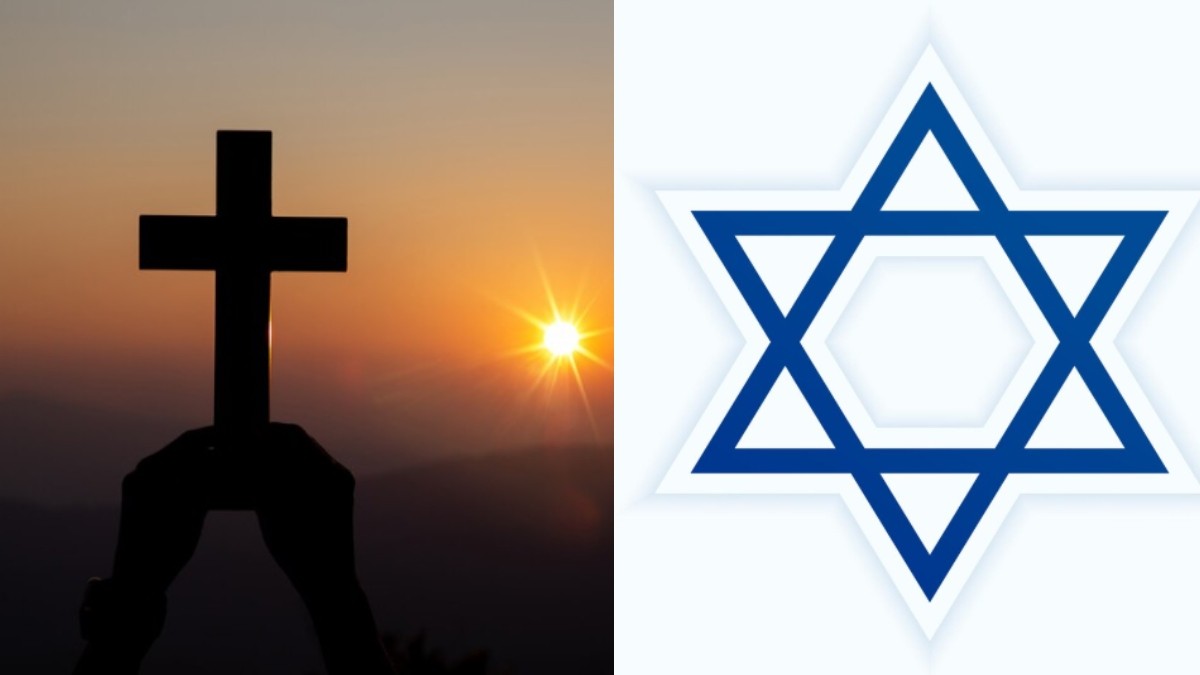
The historical relationship between these two faiths can be explained by both their similarities and differences.
Shared Historical Roots
Judaism is one of the world’s oldest monotheistic religions, while Christianity began in the first century CE. Jesus and his earliest followers were Jewish, and much early Christian teachings developed within a Jewish culture and religious context.
Related Articles


Both traditions therefore have significant historical links to the ancient Israelites and the biblical traditions of the Hebrew Bible.
Belief in One God
One similarity that binds Judaism and Christianity is that both are monotheistic. They teach one God and stress a relationship between God and humanity.
Christians, however, know God as the Trinity: Father, Son and Holy Spirit. Judaism rejects the Trinity and sticks to a very strict understanding of God's oneness.
Related Articles


Different Views of Jesus
One of the most important differences concerns Jesus.
Christianity teaches Jesus is the Messiah and the Son of God, and Christians think his death and resurrection are central to salvation.
Judaism does not see Jesus as the Messiah or as divine. Jewish conceptions of the Messiah differ from Christian teachings, and generally one expects a future human leader associated with a time of peace and restoration.
Scriptures and Religious Texts
Judaism’s most important sacred scriptures include the Torah and the Tanakh. Jewish religious tradition also places much importance on the later rabbinic writings, including the Talmud.
Christianity relies on the Bible, the Old Testament and New Testament. The Old Testament is very familiar with Jewish scriptures, but the order and reading of the books differ between Christian religions.
The New Testament contains the Gospels and other writings about Jesus and the early Christian movement.
Religious Practices
Both religions include prayer, charity, moral teachings and important religious celebrations.
Jewish religious life includes observing Shabbat, following Jewish dietary laws in communities that observe them, and celebrating festivals such as Passover, Rosh Hashanah and Yom Kippur.
Christian practices vary from denomination to denomination but prayer, worship services and Easter and Christmas are prominent. Baptism and Communion are important practices in many Christian traditions.
Shared Ethical Values
Judaism and Christianity are based on moral principles (compassion, justice, charity, honesty and caring for others). Both traditions draw on biblical teaching (moral responsibility and the role of caring for those in need) as well.
Their interpretations and religious frameworks vary but they share some of the same ethical themes which has led to dialogue between Jewish and Christian communities.
Two Distinct Religious Traditions
Christianity and Judaism share ancient roots and many moral and scriptural traditions, but they are two different religions with very different theological origins. How they perceive Jesus, the Messiah, scripture and the nature of God are all very important differences.
Learning about these similarities and differences gives a better understanding of both traditions while recognizing the diversity that exists in each religion.



Comments 0