
Krishna Janmashtami is one of the most significant Hindu festivals, celebrated to commemorate the birth of Lord Krishna, the eighth avatar of Lord Vishnu. Devotees observe fasting, perform special prayers, sing bhajans and organise midnight celebrations to mark the divine arrival of Krishna.
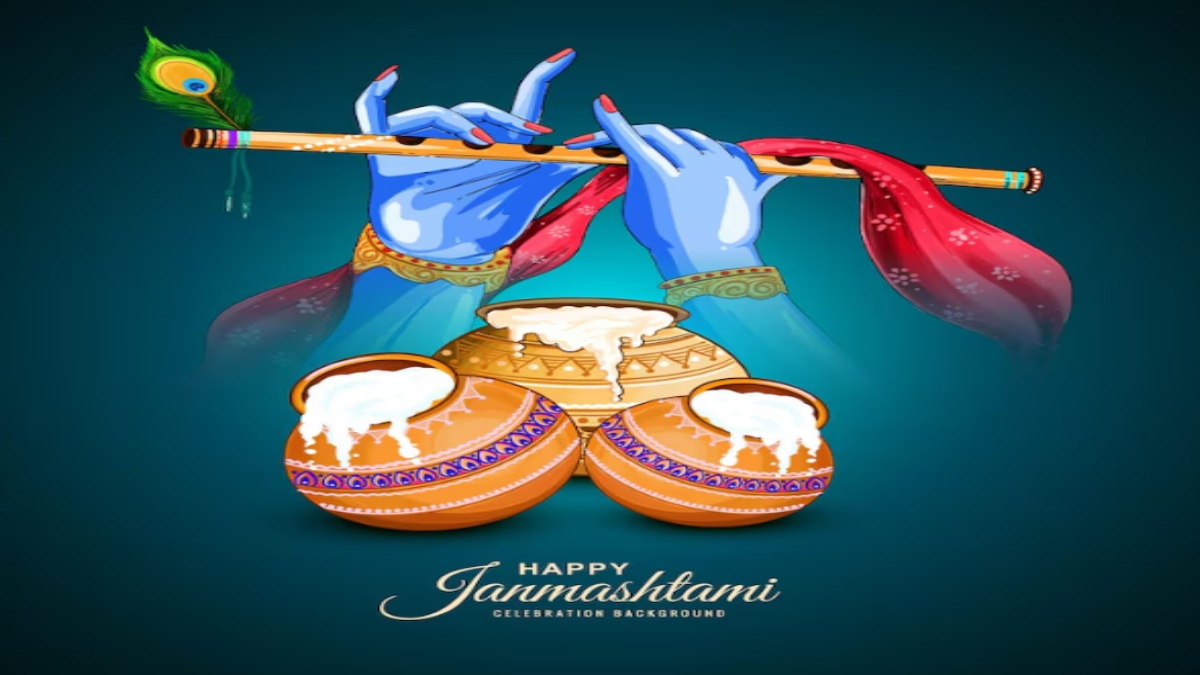
In 2026, Krishna Janmashtami will be observed on Friday, September 4, according to widely followed Hindu festival calendars. Because the exact fasting and puja timings can vary according to location and local panchang calculations, devotees should confirm the precise timings for their city before beginning the vrat.
Krishna Janmashtami 2026: Date and Significance
Janmashtami is observed on the Ashtami Tithi of Krishna Paksha in the month of Bhadrapada. According to Hindu tradition, Lord Krishna was born at midnight in Mathura to Devaki and Vasudeva.
Related Articles


His birth took place during a difficult period when the tyrannical King Kansa had imprisoned Devaki and Vasudeva. Krishna's arrival is therefore celebrated not only as the birth of a beloved deity but also as a symbol of the triumph of righteousness over evil.
The festival is particularly important for devotees of Krishna and is celebrated with great enthusiasm in places associated with his life, including Mathura, Vrindavan, Gokul and Dwarka.
Janmashtami 2026 Puja Muhurat
The most important period for Janmashtami worship is the Nishita Kaal, the midnight period traditionally associated with the birth of Lord Krishna.
Related Articles
For 2026, devotees should check their local panchang for the exact Nishita Kaal and Ashtami Tithi timings, as these can differ depending on geographical location. The midnight puja generally falls around the late-night period leading into September 5.
The most important consideration is to perform the main Krishna birth celebration during the locally calculated Nishita Kaal while the appropriate tithi is prevailing.
How to Prepare for Janmashtami Puja
Before beginning the puja, clean the prayer area and decorate it with flowers, rangoli, diyas and other festive decorations. A small cradle or jhula can be prepared for the infant form of Lord Krishna, known as Bal Gopal or Laddu Gopal.
Place an idol or image of Lord Krishna in the puja area. Keep the required puja items ready so that the midnight worship can be performed without interruption.
Common items include:
- Krishna idol or image
- Panchamrit
- Milk and water
- Ghee
- Curd
- Honey
- Tulsi leaves
- Fresh flowers
- Sandalwood paste
- Incense sticks
- Diyas
- Fruits
- Makhan and mishri
- Sweets
- New clothes or ornaments for the deity
- A small cradle for Bal Krishna
The exact items can vary according to family and regional traditions.
Janmashtami Puja Vidhi
The puja can begin with purification and a prayer seeking blessings from Lord Ganesha. Devotees then invoke Lord Krishna and offer flowers, incense, a diya and other traditional offerings.
At midnight, the Krishna idol may be ceremonially bathed with Panchamrit, a sacred mixture traditionally prepared using ingredients such as milk, curd, ghee, honey and sugar. The idol is then gently washed with clean water and dressed in fresh clothes.
Devotees may decorate Krishna with jewellery, a crown and a peacock feather. Sandalwood paste and flowers can also be offered.
The deity is then placed in the decorated cradle. Family members may gently swing the cradle while singing Krishna bhajans and devotional songs.
The celebration usually concludes with aarti, prayers and the distribution of prasad.
Janmashtami Fasting Rules
Many devotees observe a fast on Janmashtami and break it after the midnight birth celebration or according to the rules followed by their tradition and local panchang.
Fasting practices differ considerably. Some people observe a strict fast without grains, while others consume fruits, milk and permitted fasting foods.
Common vrat foods can include fruits, milk, nuts, makhana, sabudana and dishes prepared with ingredients traditionally permitted during fasting.
People who are pregnant, elderly, diabetic, taking regular medication or managing another health condition should not undertake a restrictive fast without appropriate medical advice.
What to Offer Lord Krishna
Food offerings are an important part of Janmashtami celebrations. Lord Krishna is traditionally associated with makhan and mishri, reflecting stories of his childhood in Gokul.
Devotees may also prepare sweets, fruits, milk-based dishes and other traditional foods as bhog.
Popular Janmashtami offerings include:
- Makhan-mishri
- Panchamrit
- Dhania panjiri
- Makhana preparations
- Pedas
- Ladoos
- Kheer
- Fresh fruits
- Milk and curd-based preparations
After the offering, the food is distributed as prasad among family members and devotees.
Tulsi and Krishna Worship
Tulsi holds a particularly important place in Vaishnav traditions. Devotees commonly offer Tulsi leaves during Krishna worship, provided the practice is consistent with their family tradition.
The offering is made with devotion and respect rather than simply as a ritual requirement.
Decorating the Krishna Jhula
One of the most charming Janmashtami traditions is decorating a small cradle for Bal Krishna. Families may use flowers, colourful fabrics, lights and traditional ornaments to create a festive jhula.
Children can also participate by helping decorate the cradle, preparing simple rangoli designs or dressing as Radha and Krishna.
Dahi Handi Celebrations
In several parts of India, particularly Maharashtra, Janmashtami celebrations are associated with Dahi Handi. The tradition draws inspiration from stories of young Krishna and his friends stealing butter.
Groups form human pyramids to reach and break a pot filled with curd or other treats. The event has become a lively community celebration featuring music, performances and enthusiastic crowds.
The Spiritual Message of Janmashtami
Beyond fasting and festivities, Janmashtami carries a deeper spiritual message. Lord Krishna's teachings in the Bhagavad Gita emphasise duty, selfless action, devotion and maintaining balance during difficult circumstances.
His life and teachings encourage devotees to choose righteousness, remain devoted to their responsibilities and face challenges with courage and wisdom.
Krishna Janmashtami 2026 will be celebrated on September 4, bringing families and devotees together for prayers, fasting, devotional music and midnight celebrations.
From decorating Bal Krishna's jhula and preparing bhog to performing the midnight abhishekam and singing aarti, every ritual provides an opportunity to express devotion.
Since Janmashtami tithi, fasting and Nishita Kaal timings are location-sensitive, devotees should consult a reliable local panchang for the exact timings applicable to their city. More than a festival of rituals, Janmashtami is a celebration of faith, devotion and the timeless message of Lord Krishna: righteousness, compassion and wisdom can guide us through even the most challenging circumstances.



Comments 0