
Lakshmi Puja is one of the most revered Hindu rituals dedicated to Goddess Lakshmi, the deity associated with wealth, prosperity, abundance, good fortune and well-being. The worship of Goddess Lakshmi holds particular importance during Diwali, when homes and workplaces are cleaned, decorated and illuminated with lamps to welcome prosperity and positive energy. Devotees believe that sincere prayers and a properly performed puja can invoke divine blessings and encourage peace, abundance and harmony in the household.
The Lakshmi Puja Muhurat refers to the auspicious period considered suitable for performing the worship. The exact timing changes every year and varies according to the location because it is calculated using the Hindu lunar calendar, sunset timings and other Panchang considerations. Therefore, devotees should check a reliable local Panchang for the precise Muhurat for their city before beginning the puja.
Preparing for Lakshmi Puja
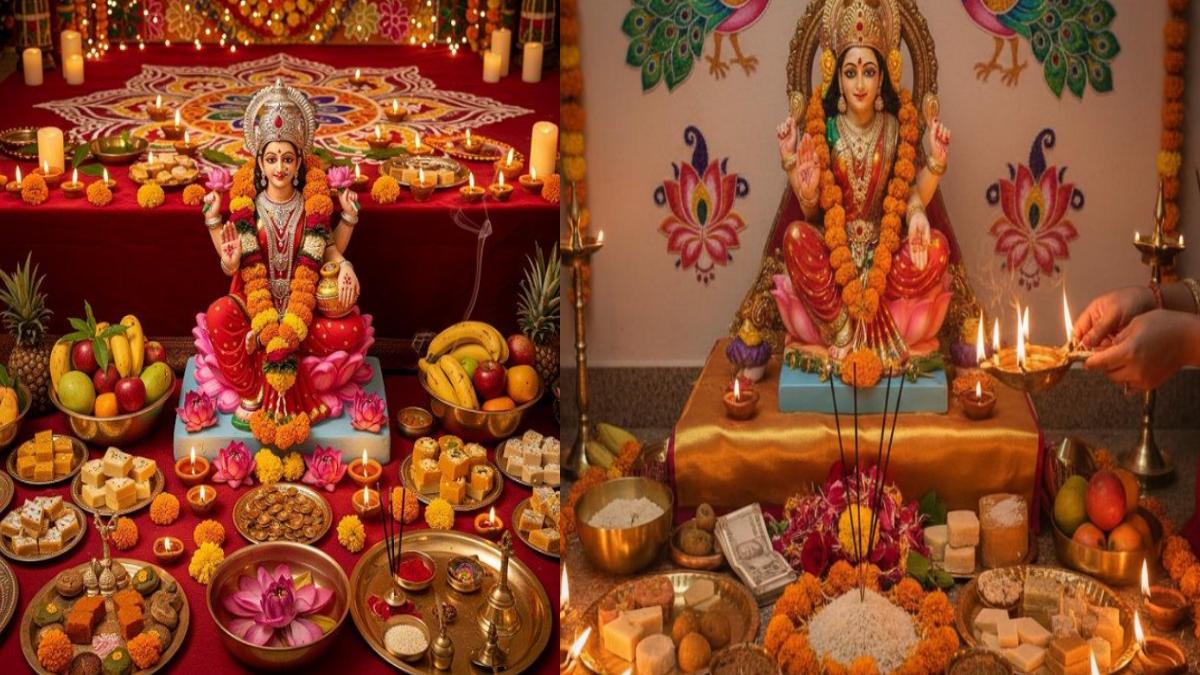
Preparation is considered an important part of Lakshmi Puja. Traditionally, devotees clean their homes thoroughly before the festival and remove clutter. The entrance may be decorated with rangoli, flowers and traditional motifs. Many families place diyas around the home to symbolically dispel darkness and create a welcoming atmosphere.
Related Articles


A clean puja area can be arranged with a picture or idol of Goddess Lakshmi. Depending on family traditions, Lord Ganesha is also worshipped alongside Goddess Lakshmi because Lord Ganesha is traditionally invoked before beginning auspicious activities.
Common puja items include flowers, fruits, sweets, rice, kumkum, turmeric, sandalwood, incense sticks, diyas, a kalash, betel leaves and nuts. Families may also keep account books, business-related documents or symbols of their livelihood near the puja area as part of the traditional worship.
Lakshmi Puja Vidhi
The traditional Lakshmi Puja Vidhi begins with cleaning and preparing the worship space. Devotees then light a diya and incense and sit facing the appropriate direction according to their family tradition or local priest's guidance.
Related Articles

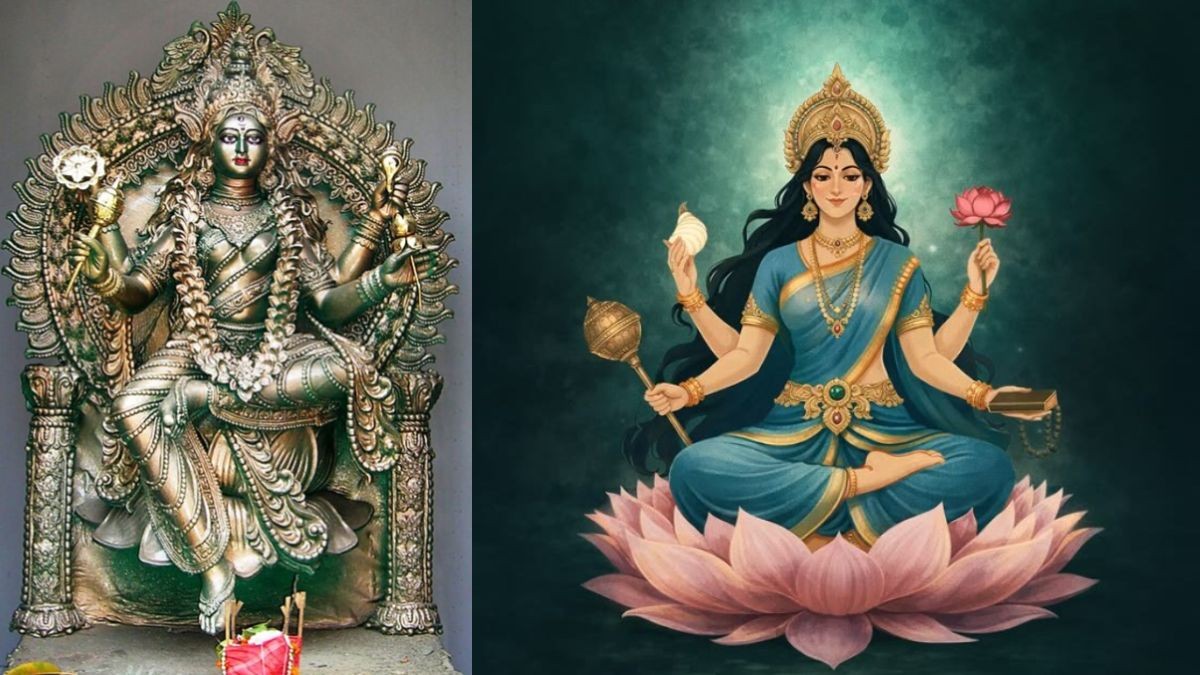
The puja generally begins with Lord Ganesha worship, followed by prayers to Goddess Lakshmi. A kalash may be established as a sacred symbol of abundance and auspiciousness. Devotees offer flowers, rice, fruits, sweets and other traditional offerings to the deities.
The Goddess may be offered kumkum, turmeric and flowers while devotees chant Lakshmi mantras or recite Lakshmi Stotram and other prayers. One commonly recited mantra is:
“Om Shreem Mahalakshmyai Namah.”
Devotees can repeat the mantra according to their personal practice and family tradition. The significance of the prayer lies not only in the ritual but also in devotion, gratitude and the intention with which the worship is performed.
After the offerings, devotees perform aarti using a lit diya. Family members may participate in the aarti and offer prayers for prosperity, health, peace and happiness. Prasad is then distributed among those present.
Why Lakshmi Puja Is Considered Significant
Goddess Lakshmi is traditionally associated with material prosperity as well as auspiciousness and well-being. Lakshmi Puja therefore represents more than a prayer for financial wealth. It is also an opportunity to express gratitude for resources, livelihood, family support and the opportunities received throughout the year.
The tradition of cleaning and illuminating the home before the puja also carries symbolic meaning. Clean surroundings represent order and preparedness, while lamps signify the removal of darkness and the presence of light and positivity.
For business owners and professionals, Lakshmi Puja can also be a time to express gratitude for their work and seek blessings for stability and responsible growth.
Lakshmi Puja: Devotion Over Ritual Perfection
While following the traditional Vidhi is important to many devotees, the spirit of the worship remains central. Different communities and families may follow slightly different customs, offerings and sequences. There is no need to feel overwhelmed if every traditional item is not available.
A clean worship space, sincere devotion, respectful prayers and a spirit of gratitude can form the foundation of the puja. Families can follow their established customs or seek guidance from a knowledgeable priest for specific rituals.
Lakshmi Puja ultimately serves as a reminder to value prosperity responsibly, maintain harmony at home and remain grateful for the blessings and resources in life. By combining traditional rituals with sincere devotion, devotees welcome the festival with hope, positivity and an intention to begin the coming period with renewed faith and purpose.


Comments 0