
Sarva Pitru Amavasya (Mahalaya Amavasya, Pitru Moksha Amavasya and Pitru Visarjani Amavasya) will be celebrated on Saturday, October 10, 2026. It is the last day of Pitru Paksha, a fortnight of paying tribute to the departed ancestors.
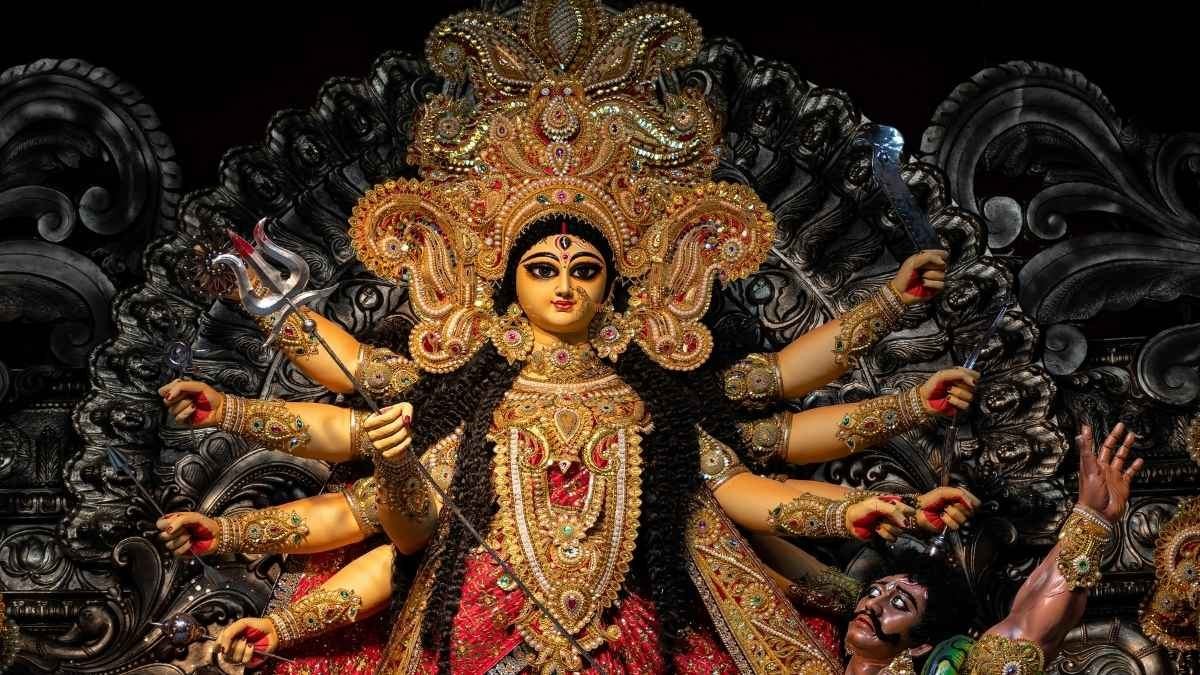
Shraddha, Tarpan, and Pinda Daan are performed by families of Hindus all over India on this day to find the blessings of their ancestors and pray for the rest of their souls.
Mahalaya Amavasya is especially important to those who do not know the exact tithi of their ancestors or who were unable to perform Shraddha on the prescribed date of Pitru Paksha.
Related Articles

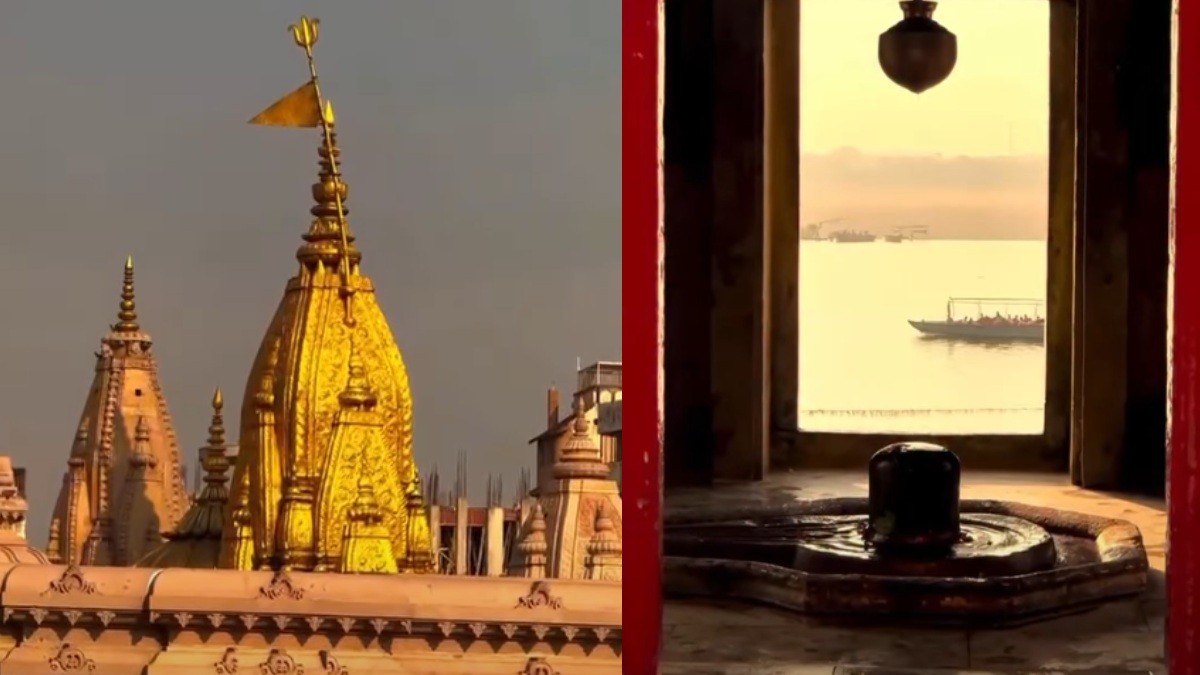
Mahalaya Amavasya 2026 Tithi Timings
According to the traditional Hindu Panchang calculations, the Amavasya Tithi starts at about 9:35 PM on October 9, 2026, and ends at about 9:19 PM on October 10, 2026. Since the Amavasya Tithi prevails during sunrise on October 10, the festival and Shraddha rituals will take place on that day in India. The last day of Pitru Paksha is regarded as the most auspicious occasion to collectively remember all ancestors and pray for their spiritual well-being.
Auspicious Muhurat for Shraddha and Tarpan
The most preferred time for performing Shraddha rituals on Mahalaya Amavasya is during the Aparahna Kaal (afternoon period). Traditional texts also consider Kutup Muhurat and Rohina Muhurat highly auspicious for ancestral offerings.
Important Muhurats (IST):
- Kutup Muhurat: 11:50 AM - 12:37 PM
- Rohina Muhurat: 12:37 PM - 1:23 PM
- Aparahna Kaal: 1:23 PM - 3:42 PM
These times may vary depending on the city and local sunrise time. Shraddha, Tarpan, and Pinda Daan are recommended to be performed by devotees during these auspicious times for good spiritual benefit.
Related Articles
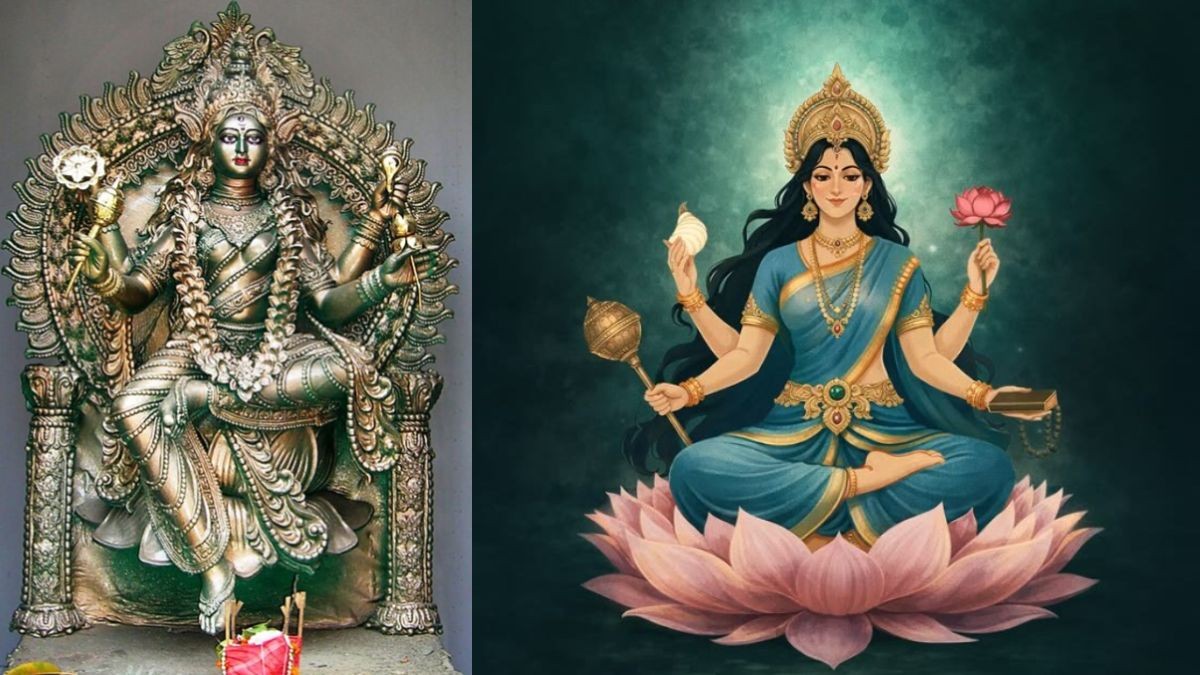
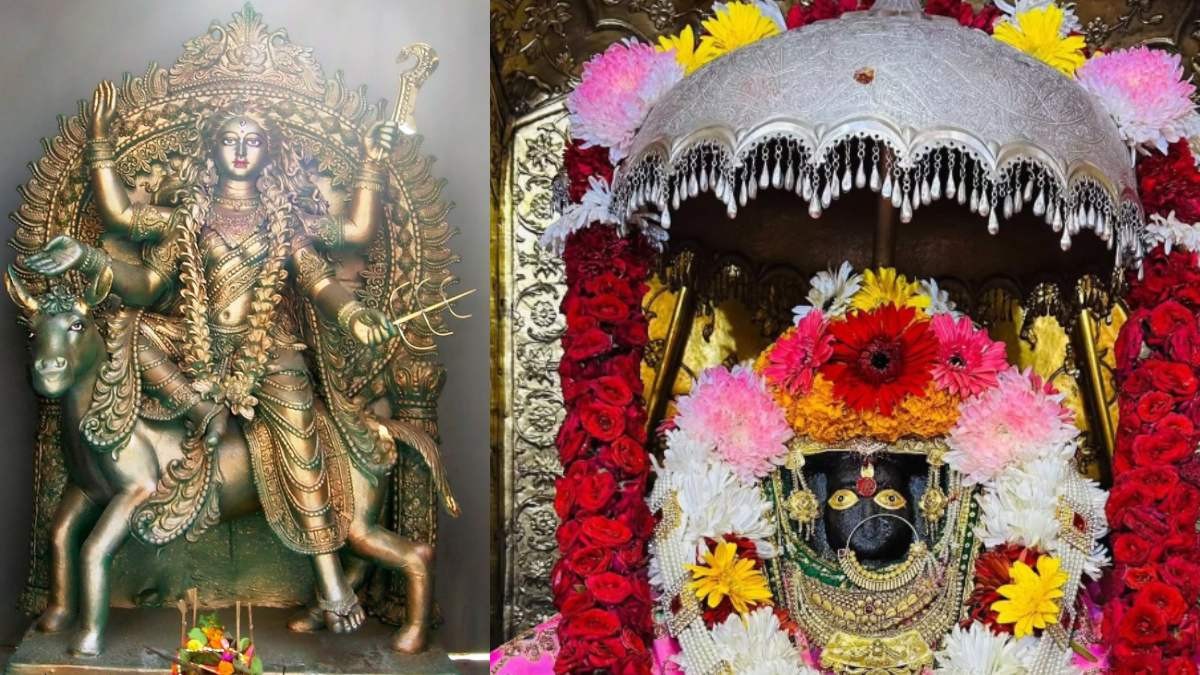
Spiritual and Religious Significance
Mahalaya Amavasya is of special significance for Hindu people because it is the end of Pitru Paksha ritual. Ancestors visit the Earth during these fifteen days and receive offerings from their descendants (for example, on Mahalaya Amavasya all ancestors are remembered and honored).
On this day, rituals are performed, and departed souls are relieved (Pitru Dosha) and the family is peaceful, joyous, healthy, and happy. It is also a day to thank ancestors who have sacrificed and given their life and help in the survival of the current family.
Rituals Observed on Mahalaya Amavasya
The most common rituals performed on Mahalaya Amavasya are Pitru Tarpan, where ancestors are offered water with black sesame seeds while chanting sacred mantras. Many devotees also undergo Pinda Daan, where they offer rice balls and food to the departed souls.
The poor are given food, clothes, grains, and money on this day, and cows, crows, and Brahmins are fed. Many families also prepare special meals and conduct Shraddha ceremonies under the direction of priests to invoke ancestral blessings and ask for forgiveness for all the wrongs done by them toward their ancestors.
Connection with Durga Puja and Devi Paksha
Mahalaya is an important one for Hindus, particularly in eastern India, as it is the start of Devi Paksha, which is the auspicious period before Durga Puja. Devotees believe that Goddess Durga is coming to Earth on this day. Pitru Paksha, the time of remembrance of ancestors, ends, and good is victorious.
Mahalaya Amavasya is associated with ancestors’ gratitude and the arrival of divine blessings. For millions of Hindus, it is still one of the most spiritual events of the year, combining gratitude, remembrance, charity, and devotion.



Comments 0