
Bollywood actress Shilpa Shetty celebrated Nag Panchami with special pujas and the recall of a spiritual tradition that has been around since her childhood. Her story is such that her family has always been very much linked to the Naga deity; she told us that as a child she was brought up in Mangalore. She was a little bit more open and spoke about how she went through her culture and the spiritual way that she is so committed to her family, and family was very important in her life.
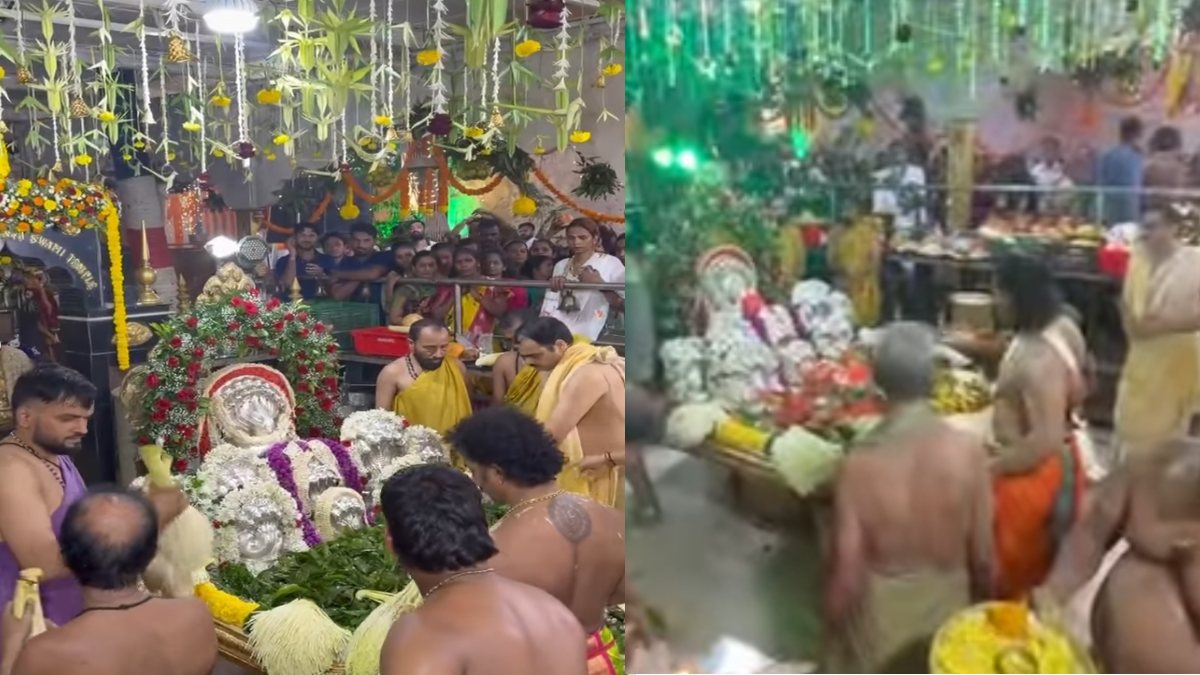
Nag Panchami plays an important role in India’s rich calendar of traditional festivals. The festival is dedicated to the worship of Naga deities and is observed with different rituals and customs across the country. Devotees traditionally offer prayers and perform pujas seeking blessings, wellbeing, and protection.
For Shilpa Shetty, Nag Panchami has the most special significance to her because of her Mangalore roots. A Mangalore native, Shilpa Shetty has previously spoken about her connection to the city and her family and the customs she grew up with where she came from. Her reference to Naga worship as a family tradition shows how religious customs are part of childhood memories as well as how they can be part of childhood culture and their significance in our families and in life are never forgotten.
Related Articles

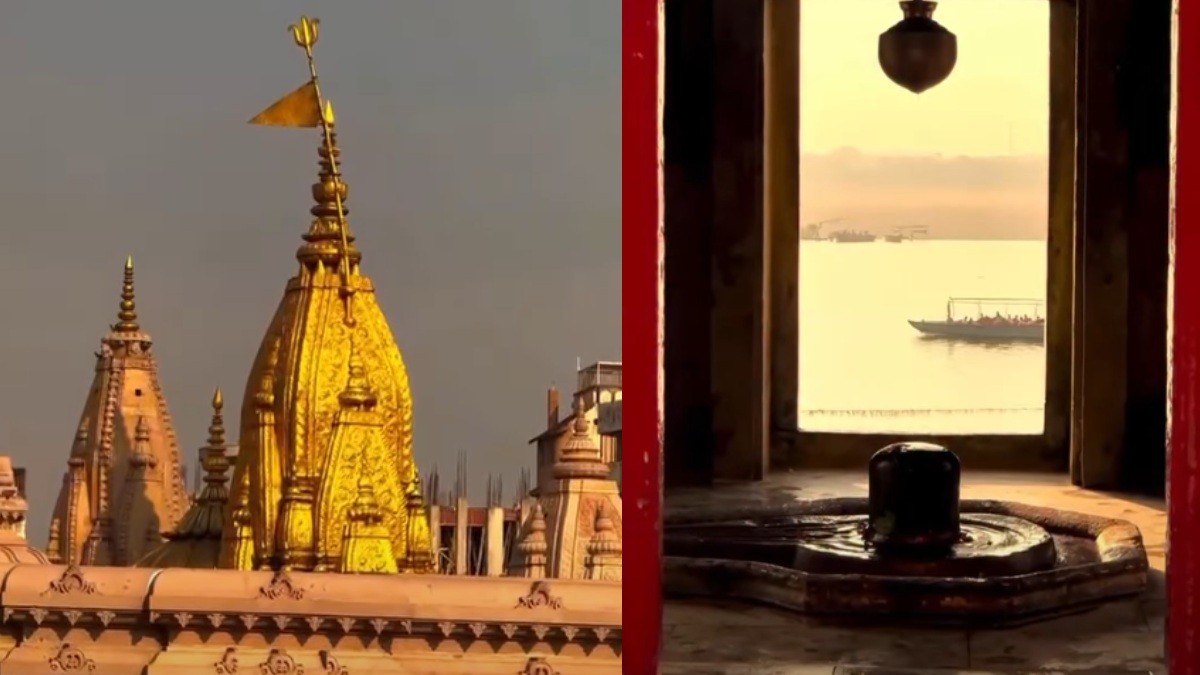
Shilpa’s special puja is indicative of how traditional festivities are still relevant to modern life. Although she is the most celebrated Bollywood actress, she is in touch with the customs that she grew up with. Her festivity illustrates our connection to festivals: they draw the line between childhood memories and family values and also contemporary life.
Naga worship has a strong cultural presence in coastal Karnataka. Mangalore and surrounding areas are known for Naga deities. Sacred places and temples for serpent worship are part of the cultural landscape of the region, and rituals linked to Naga worship have been passed down through generations.
Shilpa’s remarks on Nag Panchami have far more to do with the cultural and political significance of this festival than the celebrity. She is celebrating in the place of her birth and her family’s culture. With her public acknowledgment, she gave others a chance to know more about their cultural customs which have formed her self-identity.
Related Articles
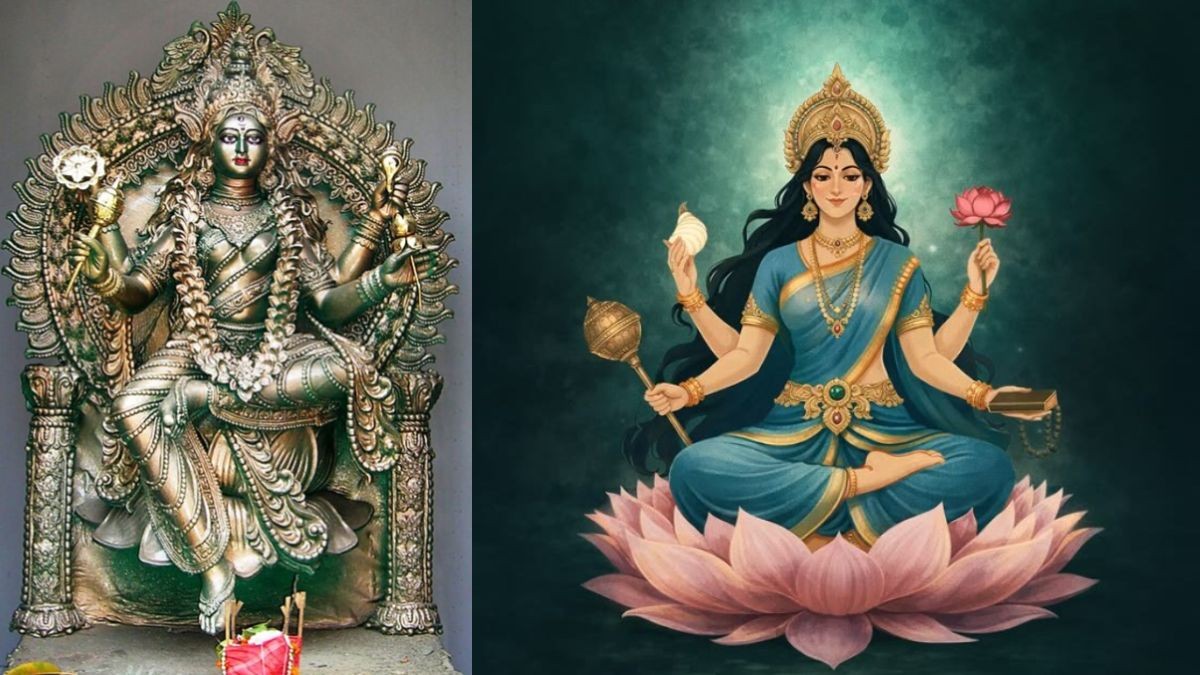
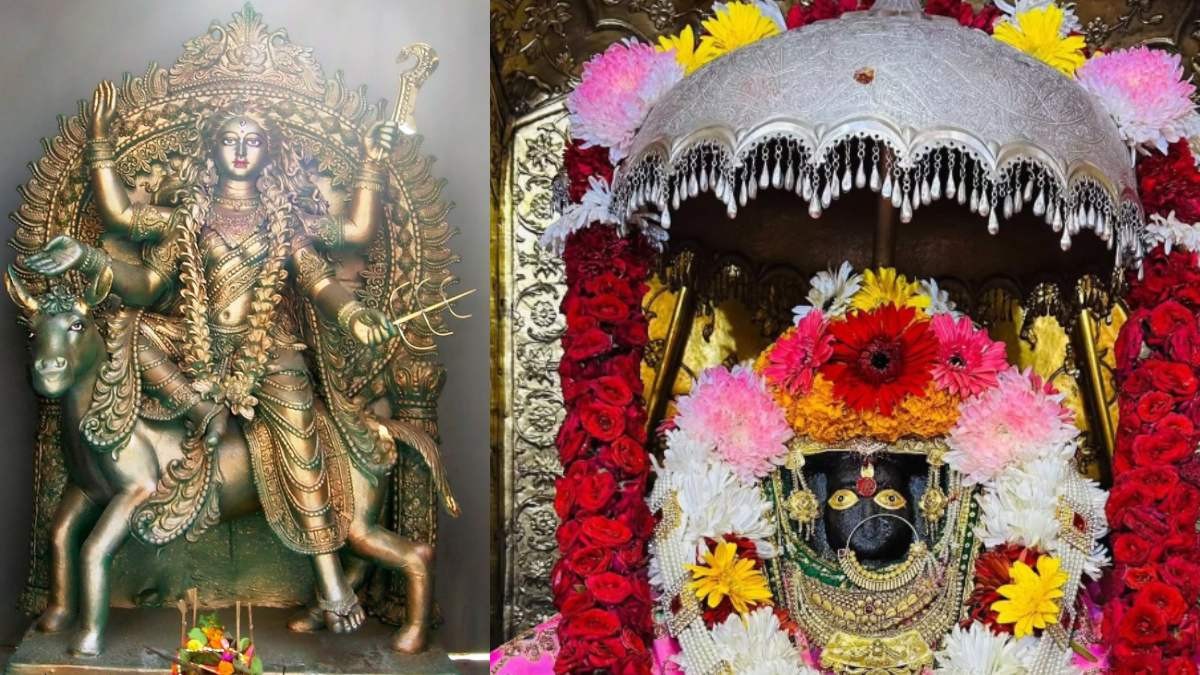
Nag Panchami festivals like this bring families together and open up new avenues for younger generations to learn about the traditions that their parents and grandparents have in common. Rituals may vary between houses, but the idea remains that family and heritage are important. Shilpa’s recollection of Naga worship from her childhood is an example of how such traditions can still exist even as circumstances and lifestyles change.
This actress has also gained a strong public image connected to wellness, yoga, and spirituality. An unwavering dedication to maintaining a balanced lifestyle has been the theme of her entire public career. Her participation in traditional pujas is another link between wellbeing and spirituality and a manifestation of how modern wellness practices can be woven into a modern culture.
Shilpa’s Nag Panchami celebration is more significant because celebrities often influence conversations around festivals because of their social media profile. Public figures share snippets of traditional celebrations, so their followers get to see the personal side of their lives and also get to experience local customs. In this case, the Mangalore connection makes it a particularly personal holiday.
The actress’s childhood memories also illustrate the role birthplace can play in defining cultural identity. Shilpa’s professional career has taken her around India and beyond, but the traditions she grew up with in her early life are still very much a part of her story. Festival space allows her to connect with those memories for all of them to come back and work with for generations.
Nag Panchami itself is celebrated according to the Hindu lunar calendar and is associated with the worship of snakes and Naga deities. There are different communities who visit temples, perform pujas, and make traditional offerings. The festival’s religious significance is closely linked to respect for nature and the symbolic significance of serpents in Hindu tradition.
Naga worship has deep historical and cultural roots in coastal Karnataka. Naga shrines and sacred spaces are widespread throughout the region, and communities have maintained the practices around them over generations. So Shilpa’s connection to Mangalore is an interesting personal connection to a greater regional tradition.
But for the actress, the festival seems to be about family and continuity. Her statement that Naga deity worship has been part of her family tradition since childhood speaks to her emotional attachment to the practice. So many of these traditions are linked to memories of parents, relatives, childhood homes, and community celebrations.
I also see how Indian festivals evolve and continue to be rooted in the old Indian heritage. Modern families may be different from the old families, but the core values of family harmony and cultural continuity still hold true. Shilpa’s celebration is the perfect example of that.
Shilpa Shetty fans who follow her personal updates daily see her share moments of festivals, wellness, and family. Her Nag Panchami observance is in line with the larger pattern, giving followers another view of her traditions that matter to her.
Her choice to draw attention to her Mangalore background is particularly meaningful because regional traditions are a part of India’s cultural diversity. The way Nag Panchami is celebrated in coastal Karnataka may be different from Maharashtra, Karnataka’s interiors, or the rest of India. The variation in festival culture in India tells us that India’s festival culture is rich.
So as Shilpa Shetty performed her special puja, she was reminded that cultural traditions are so much more meaningful to all. A festival may be celebrated for religious reasons, but it can also carry memories of family, childhood, and one’s origin.
Nag Panchami seems to bring all these together for Shilpa. Her connection to Mangalore, her family’s Naga worship tradition, and her present-day celebration demonstrate how personal heritage can have a positive influence on life long after childhood.
The actress’ Nag Panchami celebration has since then been perceived as a celebrity festival moment but also an expression of India’s diverse cultural traditions. In coming back to a practice that she has been familiar with as a child, Shilpa has highlighted the need to remain connected to one’s roots.
Finally, Shilpa Shetty’s Nag Panchami celebration is a story about tradition, family, and cultural identity. Her dedicated puja and her memories of growing up in Mangalore as a child show that customs that have been passed down to her and others through generations can be integral to the way that a person is raised and how the home can remain in the lives of a person. As long as it’s family and culture and the people do not change, the value in the world remains. At Nag Panchami, when families in India celebrate it differently throughout the year, Shilpa’s celebration offers a personal reminder of how festivals can keep childhood memories and ancestral traditions alive.



Comments 0