
Ghatasthapana is the beginning of Sharad Navratri, our nine day Hindu festival for Goddess Durga. In this sacred ritual, devotees make the Kalash, or sacred pot, to represent divine energy, prosperity and auspicious beginnings.
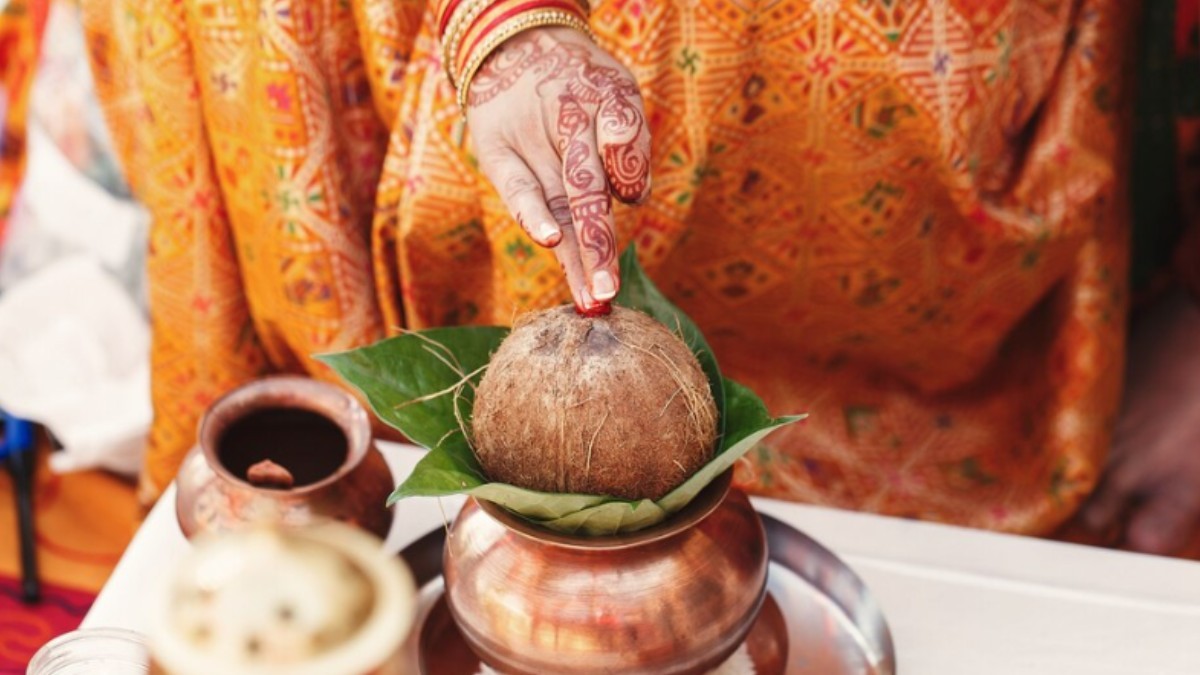
In 2026, Sharad Navratri begins on October 11. Many devotees prepare their homes for Ghatasthapana by cleaning the puja area, arranging the required items and choosing a suitable place for the Kalash. According to traditional beliefs, the placement of the Kalash and the cleanliness of the worship area are important parts of the ritual.
Where Should You Place the Kalash at Home?
According to common Vastu practices, the northeast direction (or Ishanya corner) is considered auspicious for prayer and meditation. Devotees can choose this direction for their Navratri puja setup if it is suitable for their home.
Related Articles


The east direction is another common choice for a prayer area. If both directions are not feasible, the Kalash can be placed in a clean, quiet and dedicated puja space according to family tradition.
The Kalash must be placed on a stable, clean platform or chowki. Many homes choose flowers, rangoli and clean cloth and decorate the area to create a peaceful atmosphere.
Vastu rules to follow during Ghatasthapana
Related Articles
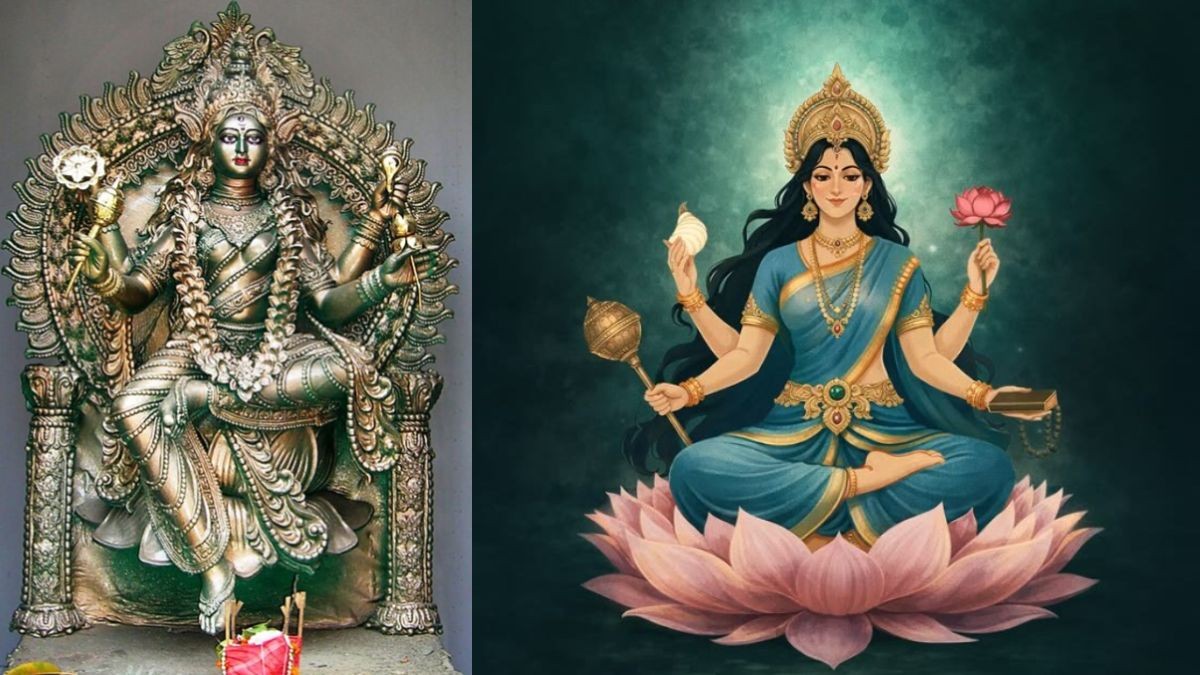
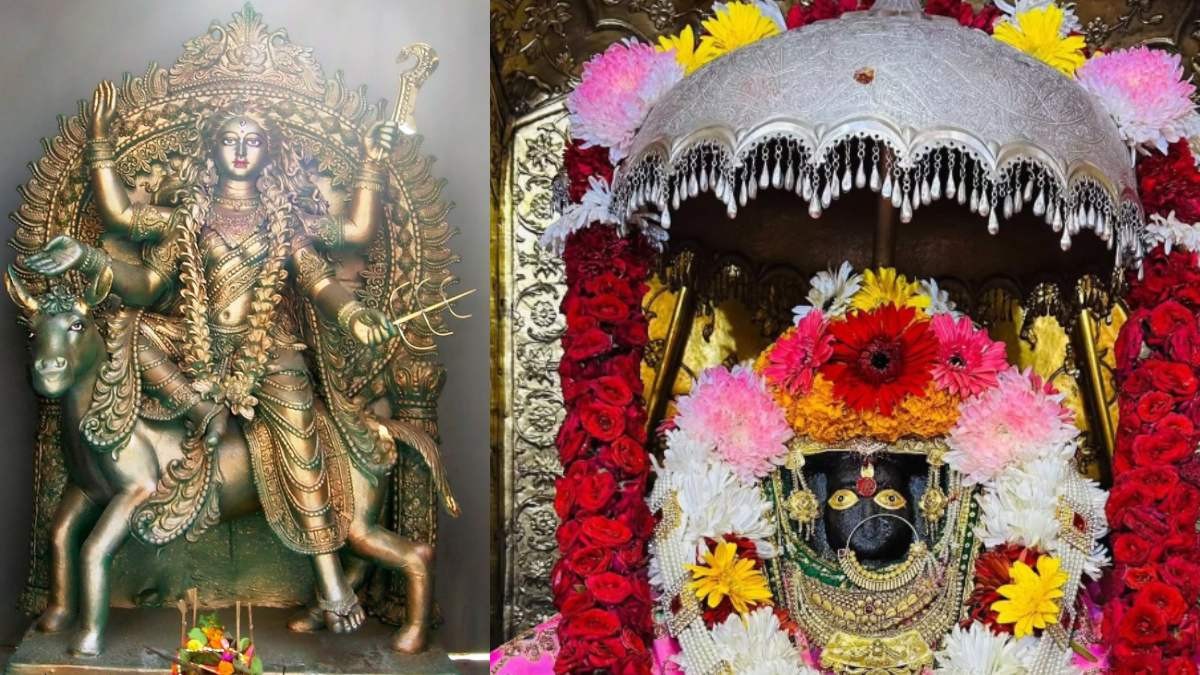
1. Choose a clean and peaceful space
Clean the puja area before the beginning of the ritual. A tidy space is traditionally set up for worship (i.e., a beautiful and respectful place to worship, and to create the atmosphere of devotion for worship).
2. Place the Kalash on a stable platform.
Don't put the Kalash directly on an unclean floor or unstable surface. Use a clean chowki or platform and arrange the puja materials properly.
3. Keep the Kalash near the Goddess Durga idol or picture
Many devotees arrange the Kalash near the image or idol of Goddess Durga as part of the Ghatasthapana setup. Follow the arrangement prescribed by your family or regional tradition.
4. Use traditional puja materials.
Depending on the custom, the ritual may involve a pot, water, mango leaves, coconut, sacred thread, grains and soil for sowing barley seeds. The exact materials and arrangement may vary.
5. Maintain cleanliness throughout Navratri.
You can maintain the worship area clean and give flowers, incense and prayers according to your household’s practice. If barley seeds are sown, water them as needed in the ritual.
Mistakes to avoid during Kalash Sthapana.
Choosing an unclean location: Do not set up the Kalash in a dirty or cluttered place.
The pot should be placed firmly so that it won't fall: If a platform is unstable, then secure the pot so that it won't fall.
Ignoring family traditions: Details of the ritual are different for different places, so follow the customs you observe.
Rushing the preparation: Arrange the puja materials beforehand to perform the ritual calmly.
Treating Vastu beliefs as strict universal rules: Directional recommendations are traditional beliefs, not scientifically established requirements. A clean and respectful worship space is more practical than being anxious about small placement differences.
Why is Ghatasthapana important on Navratri?
Ghatasthapana is a symbol of divine energy at the beginning of Navratri. The Kalash represents auspiciousness, abundance and the sacred presence associated with the Goddess.
For the devotee, this ritual is a chance to start the nine days with prayer, discipline and positive intentions. Many families also fast, recite Durga mantras and perform daily puja during the festival.
Conclusion
For Ghatasthapana 2026, devotees can consider the northeast or east direction in planning their puja space in their home according to their family customs and available space. Keeping the Kalash stable, the area clean and the ritual preparations organized will make it more meaningful. The central aim of the ritual is devotion to Goddess Durga, and welcoming the festival with faith and a peaceful mind.



Comments 0