
Navratri is one of the most vibrant and spiritually significant festivals celebrated across India and by Hindu communities worldwide. The festival is celebrated on nine nights and ten days in which Goddess Durga and her nine divine forms are worshiped (Navadurga). A different color is associated with every day of Navratri.
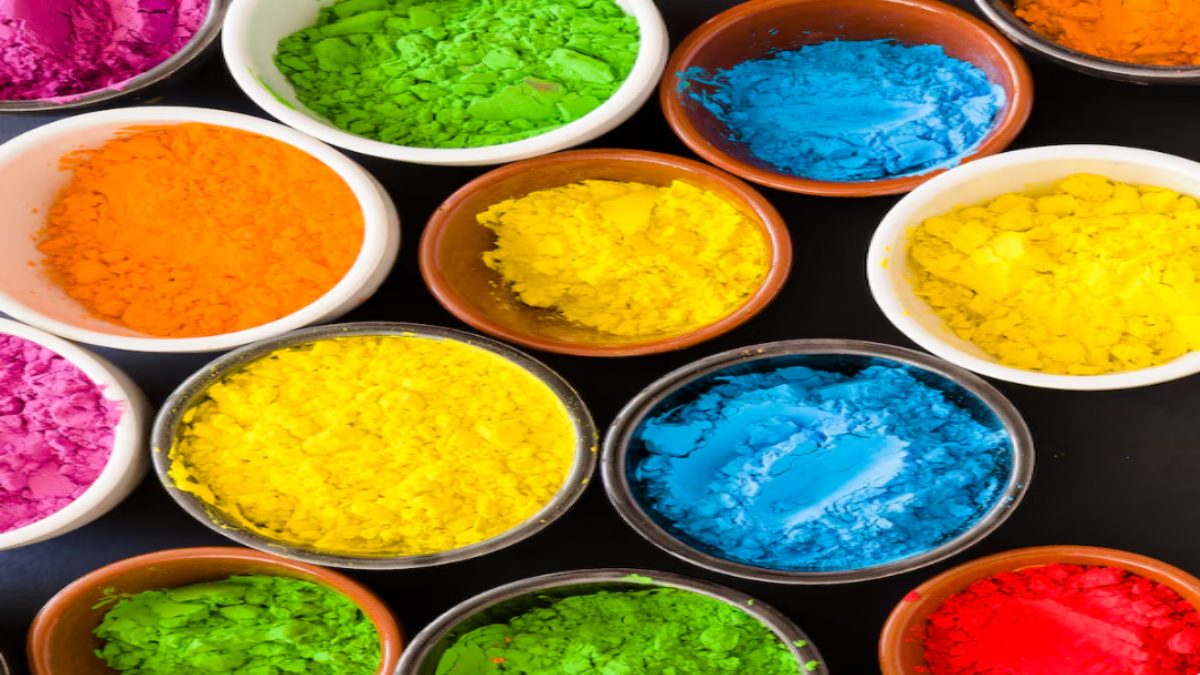
Some devotees wear the day’s color as a sign of their love and take the good aspects of the day as well and take it to be the very good side of the color, and for that reason, the day’s colors can be worn, in particular for the day’s celebration of faith, tradition, and love.
Hence we look more closely at the significance of the nine Navratri colors and what they represent.
Related Articles

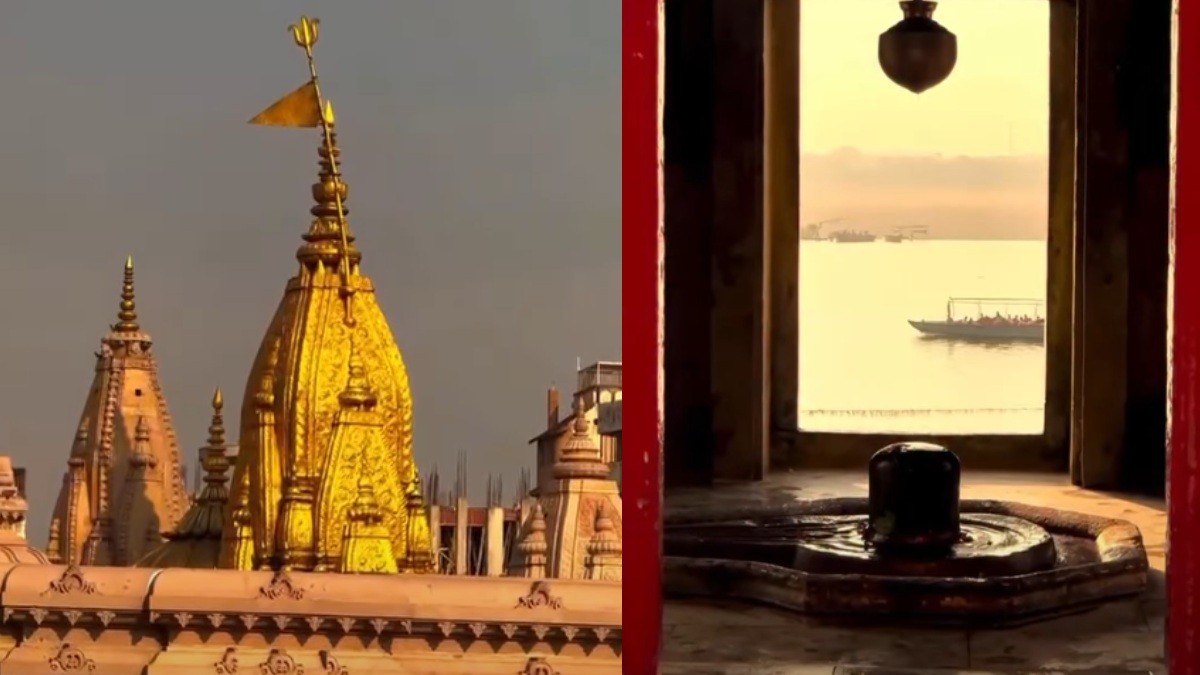
Day 1-Yellow: Joy and Prosperity
The first day of Navratri is dedicated to Goddess Shailaputri, daughter of the mountains. Yellow is happiness, optimism, wisdom, prosperity. It is said to bring positive energy and good fortune in our lives with a yellow shirt.
It is an ideal color for the festival to start with hope, energy, and devotion.
Day 2-Green: Growth and Harmony
The second day is dedicated to Goddess Brahmacharini, who represents penance and determination. Green represents nature, fertility, growth, and renewal.
Related Articles
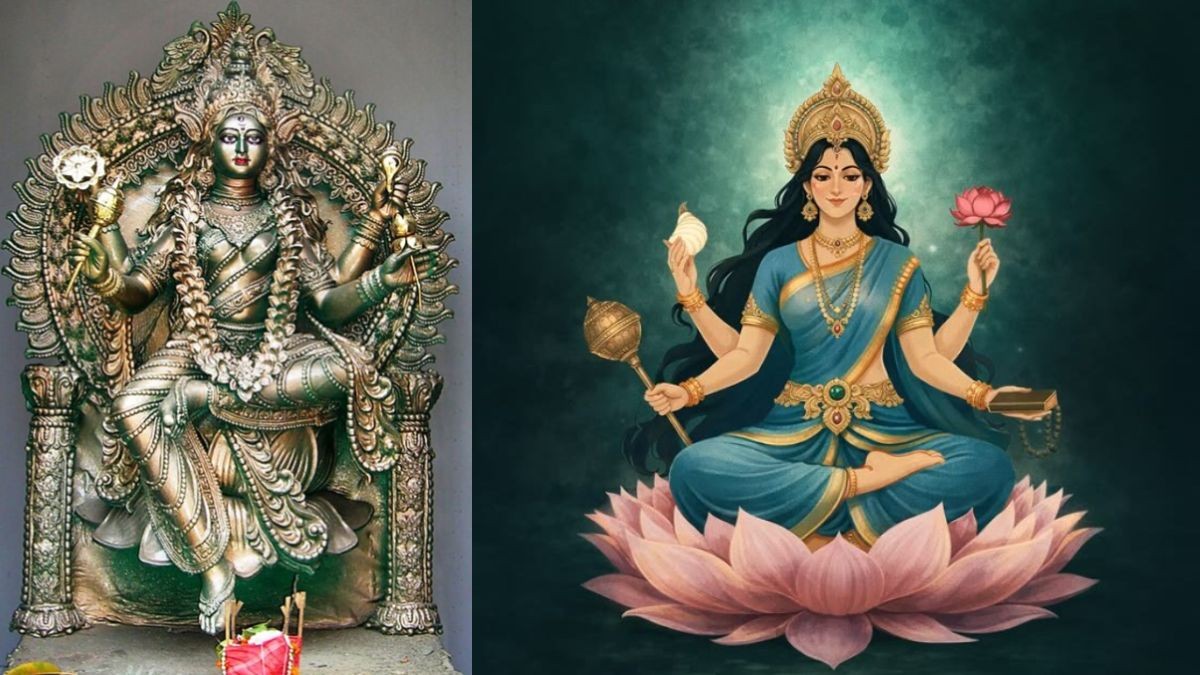
This bright color inspires balance, patience, and personal development while encouraging devotees to remain steadfast on their spiritual journey.
Day 3-Grey: Strength and Stability
Dedicated to Goddess Chandraghanta, the third day is associated with grey. Subtle but grey signifies resilience, stability, and the ability to remain calm in the face of life’s storms.
It reminds devotees that inner strength often develops through perseverance and faith.
Day 4-Orange: Energy and Courage
The fourth day is dedicated to Goddess Kushmanda, who is believed to have created the universe with her divine smile. Orange means joy, courage, warmth, and good spirits.
Wearing orange expresses confidence and inspires people to overcome obstacles with determination and optimism.
Day 5-White: Peace and Purity
The fifth day is dedicated to Goddess Skandamata, the mother of Lord Kartikeya. White represents purity, peace, innocence, and spiritual enlightenment.
It inspires devotees to cultivate inner calm, compassion, and clarity while strengthening their connection to the divine.
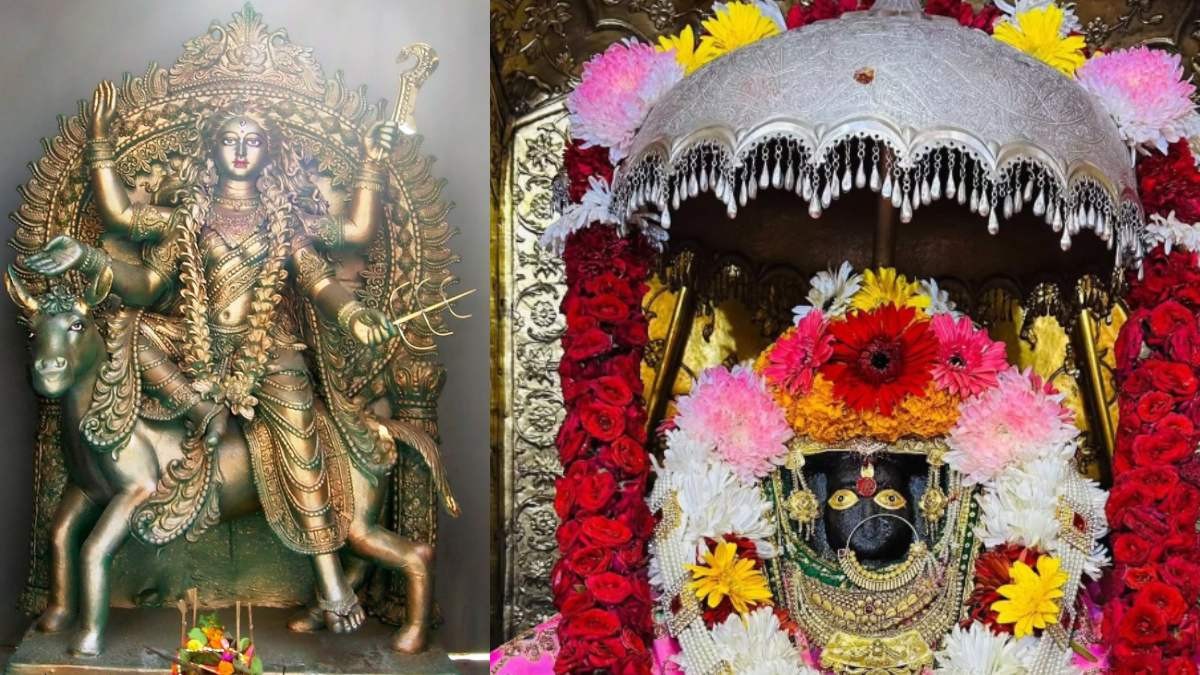
Day 6-Red: Power and Passion
On the sixth day, devotees worship Goddess Katyayani, known for her fierce courage and strength. Red is one of the most auspicious colors in Hindu culture and symbolizes power, love, passion, and determination.
It represents the Goddess’s fearless spirit and inspires devotees to overcome negativity with confidence.
Day 7-Royal Blue: Wisdom and Protection
The seventh day honors Goddess Kalaratri, the fierce destroyer of evil. Royal blue represents strength, wisdom, depth, and divine protection.
The color reminds devotees to trust their inner wisdom and seek courage during difficult times.
Day 8-Pink: Love and Compassion
The eighth day is dedicated to Goddess Mahagauri, who symbolizes purity and forgiveness. Pink represents kindness, affection, harmony, and unconditional love.
Wearing pink promotes emotional balance, empathy, and a good sense of peace in relationships with others.
Day 9-Purple: Spirituality and Success
The last day of Navratri is dedicated to Goddess Siddhidatri, the bestower of spiritual wisdom and divine blessings. Purple symbolizes ambition, dignity, spirituality, prosperity, and success.
It marks the completion of the spiritual journey and inspires devotees to continue pursuing wisdom and self-realization.
What is Navratri color
The ancient custom of wearing different colors at Navratri goes beyond fashion. Each color represents one of the qualities that devotees pray for and want to develop as they worship the various forms of Goddess Durga.
And because of these colors, communities come together in celebration, families, friends, and workplaces. Clothing and decorations have been made from the daily color of a festival, and Navratri is a visually vivid and spiritually meaningful festival.
Tips for Celebrating Navratri
How to make the most of the festival:
- Wear the color every day
- Offer flowers, fruits, and prayers to Goddess Durga
- Participate in Garba and Dandiya celebrations with passion and cheerfulness
- Observe fasting according to your family traditions or your own beliefs
- Read or listen to the Durga Saptashati or other devotional scriptures
- Practice kindness, gratitude, and charity during the holidays
The nine colors of Navratri perfectly represent the many qualities of Goddess Durga courage, wisdom, compassion, purity, strength, and prosperity. By embracing these colors and truly knowing what they represent, devotees can make Navratri more spiritual and more fun.
If you participate through prayer, fasting, traditional dance, or just wearing the day’s color, the festival is all about the victory of good over evil and the need to build good qualities into daily life.



Comments 0