
Navratri is one of the most significant Hindu festivals celebrated with devotion, prayer and spiritual reflection. In the name of Goddess Durga and her nine divine forms and the victory of good over evil and the triumph of divine energy, devotees worship Maa Chandraghanta, goddess of courage, peace and protection on the third day of Navratri.
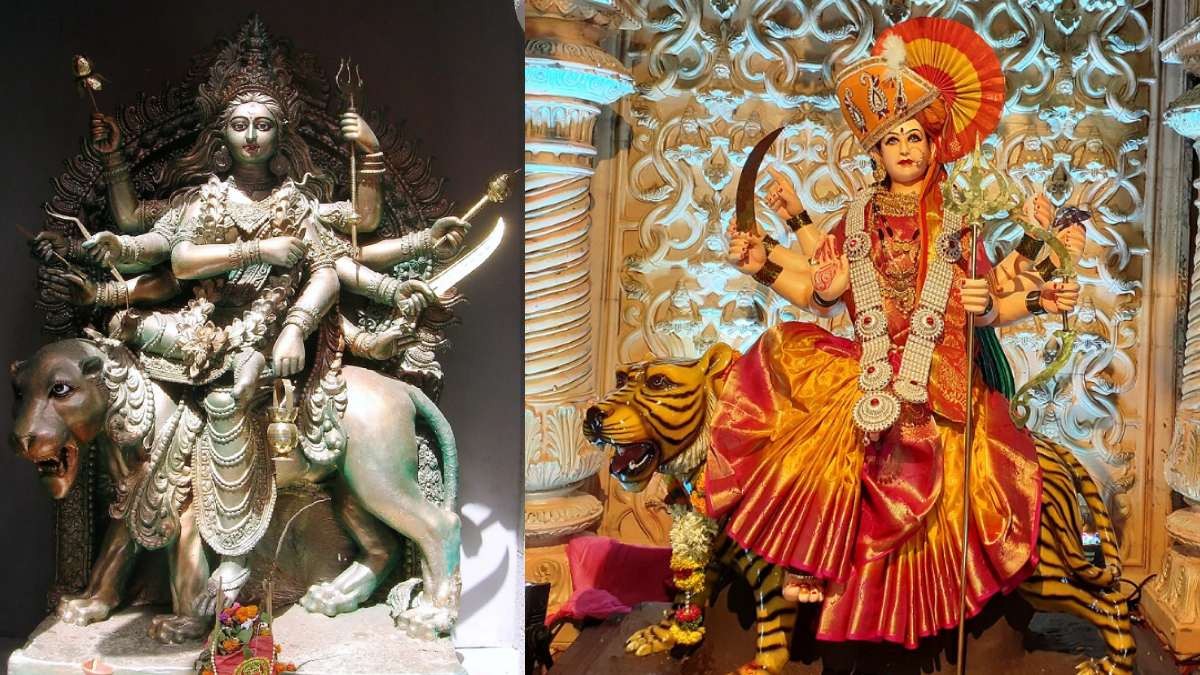
Who is Maa Chandraghanta?
Maa Chandraghanta is the third form of Navadurga. Her name comes from the crescent moon shaped like a bell (ghanta) adorning her forehead. She is usually depicted riding a tiger or lion and holding weapons in her many hands while raising one hand in a blessing gesture.
Her appearance is a combination of strength and compassion. She is prepared to fight for the good side, but she also protects and blesses her devotees. Maa Chandraghanta is believed to help people overcome fear, build confidence and maintain inner balance.
Related Articles

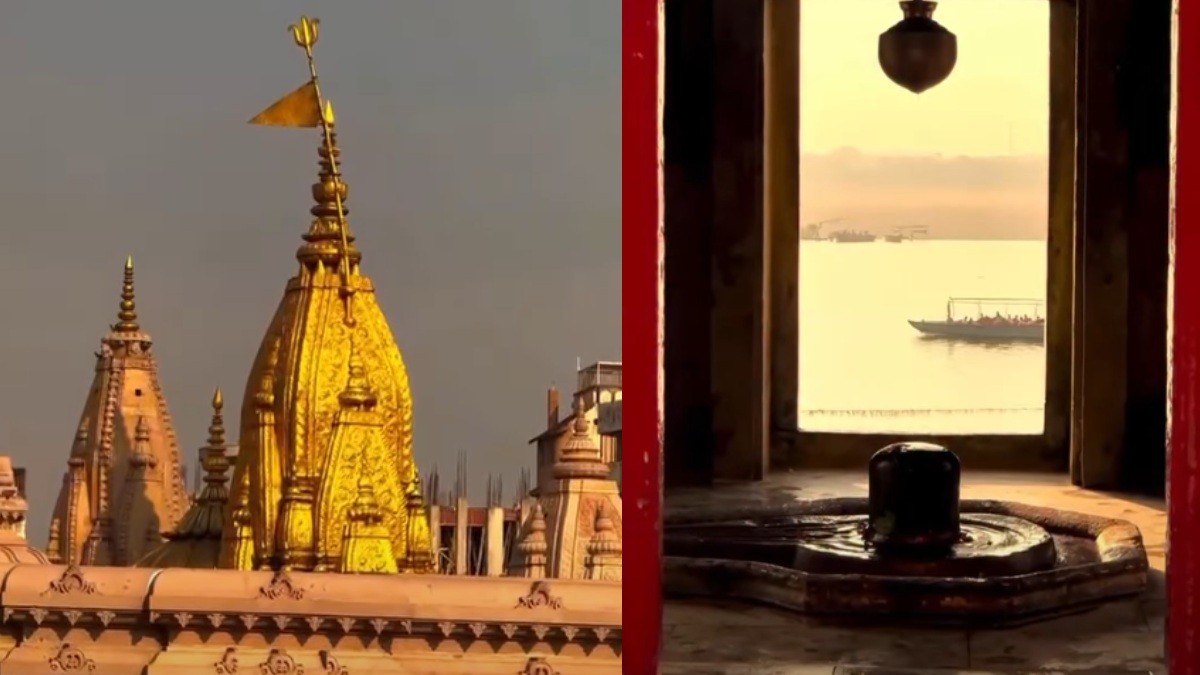
The spiritual significance of Navratri Day 3.
The third day of Navratri signifies courage, discipline and the ability to face life’s challenges. Maa Chandraghanta represents the strength to face negativity without losing peace of mind.
For devotees, this day is a time to reflect on personal fears, bad habits and emotional difficulties. Prayer and meditation can bring a calmer mind, stronger determination and a new sense of purpose to a person.
The sound of the bell associated with the goddess also serves as a call to awaken spiritual awareness and remove ignorance. The goddess will bring her blessings for family harmony, success in their efforts and protection from negative influences.
Related Articles
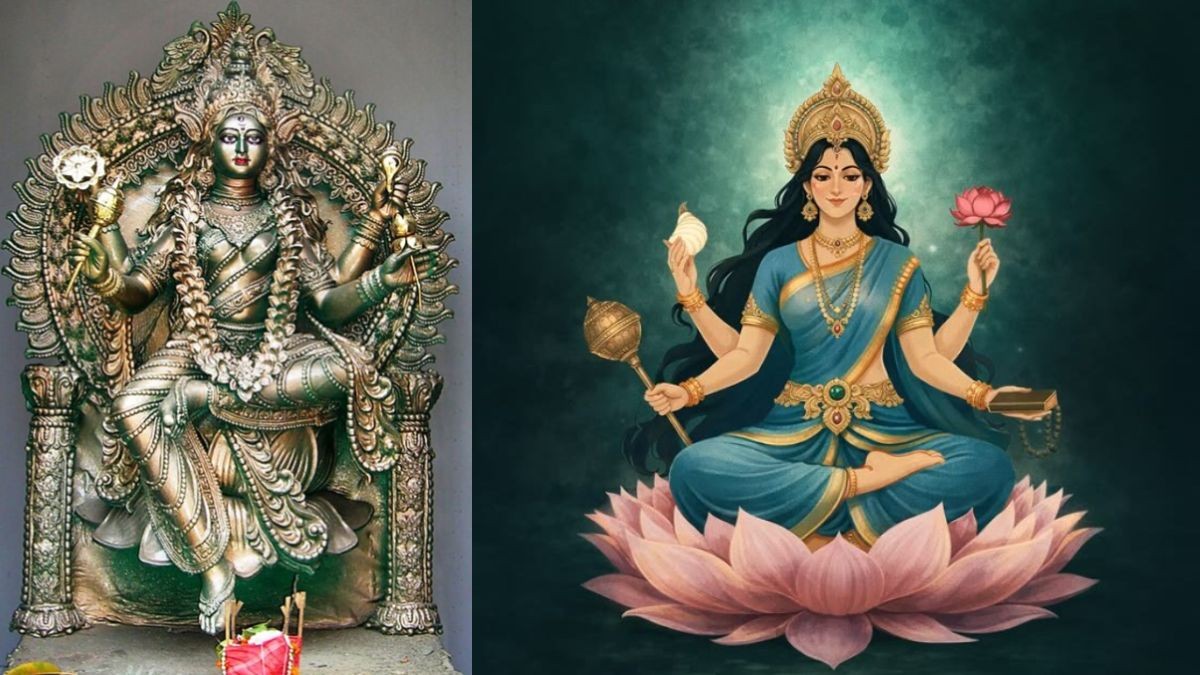
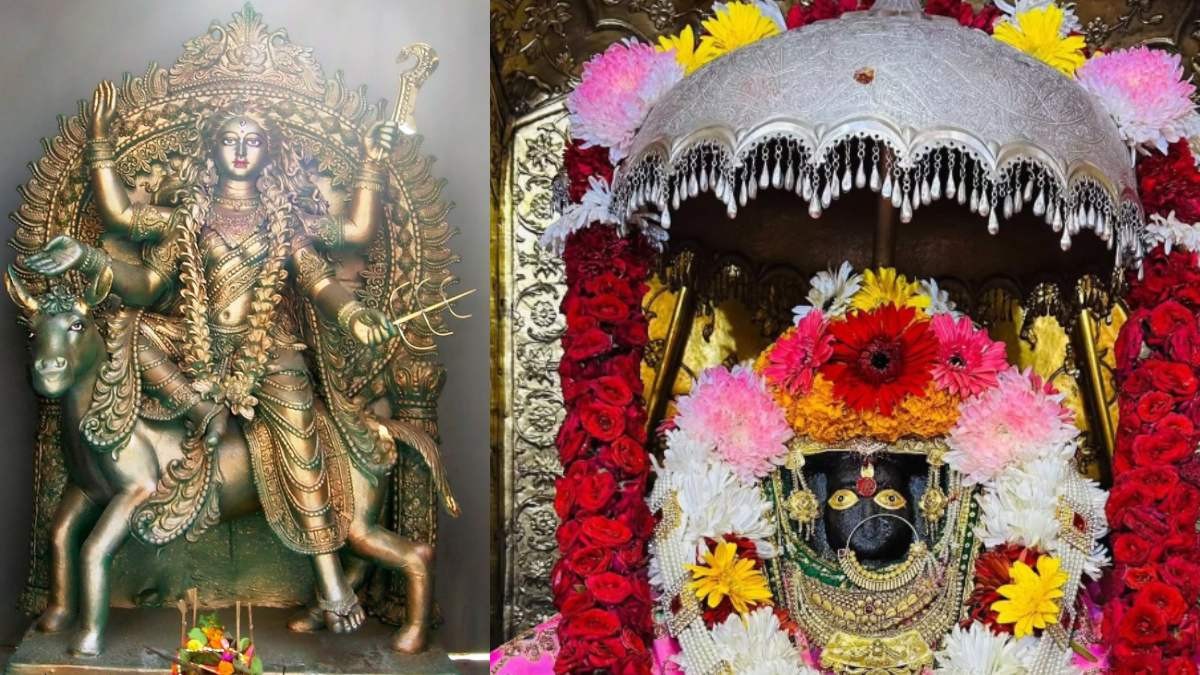
Maa Chandraghanta Puja Vidhi
Devotees can perform the third-day puja at home through these traditional steps:
-
Clean the puja area: Begin the day by bathing and wearing clean clothes. Prepare a clean space for the goddess's image or idol.
-
Light a diya: Light an oil or ghee lamp and incense, observing appropriate household safety.
-
Offer prayers: Present fresh flowers, fruits, sweets and other offerings according to family tradition.
-
Apply tilak: Offer kumkum, sandalwood paste or other customary items to the goddess, where appropriate.
-
Chant the mantra: Recite Maa Chandraghanta's mantra with devotion and concentration.
-
Perform aarti: Sing or recite the aarti and pray for courage, wisdom, peace and the well-being of loved ones.
-
Distribute prasad: Share the blessed offerings with family members and other devotees.
Puja customs and offerings may vary by region, household tradition and religious lineage.
Maa Chandraghanta Mantra
Devotees commonly chant:
Om Devi Chandraghantayai Namah.
This mantra is traditionally recited to seek the goddess’s blessings and cultivate courage, confidence and spiritual focus. Devotees may repeat it several times according to their personal practice.
Offerings and Colour for the Third Day
Red is very much associated with Maa Chandraghanta and may be chosen for clothing or decorations on this day. Some traditions recommend milk, sweets, fruits or kheer, but specific customs differ from one place to another.
Devotees should follow their family’s established rituals as well as local temple guidance rather than treat any single offering or colour as compulsory.
Conclusion
Navratri Day 3 is a reminder that true strength involves both courage and compassion. Through Maa Chandraghanta's worship, devotees seek protection, inner peace and the confidence to face life's difficulties. The day is an opportunity for deep faith, meditation and balance.
The larger message of Maa Chandraghanta is that even in the most challenging times, strength and serenity can be found together.



Comments 0