
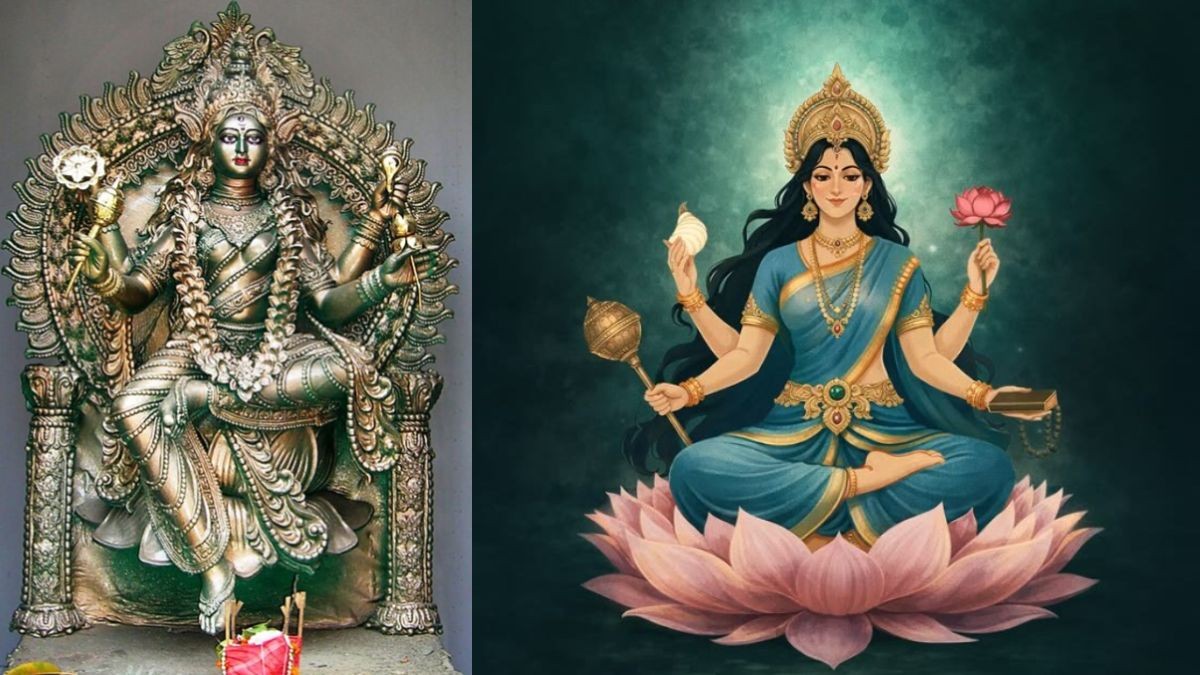
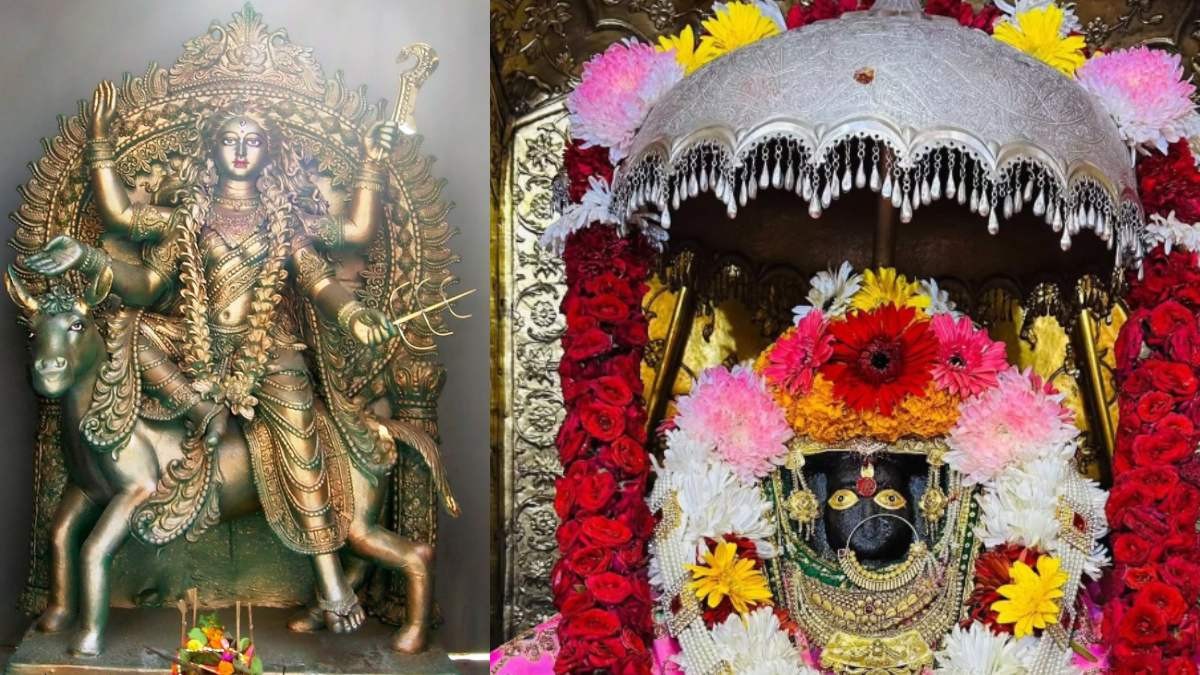
Navratri is a festival in Hinduism for Goddess Durga and her nine divine forms, the nine days of which are celebrated as devotees fast and pray to the Goddess while eating traditional foods to receive blessings and peace.
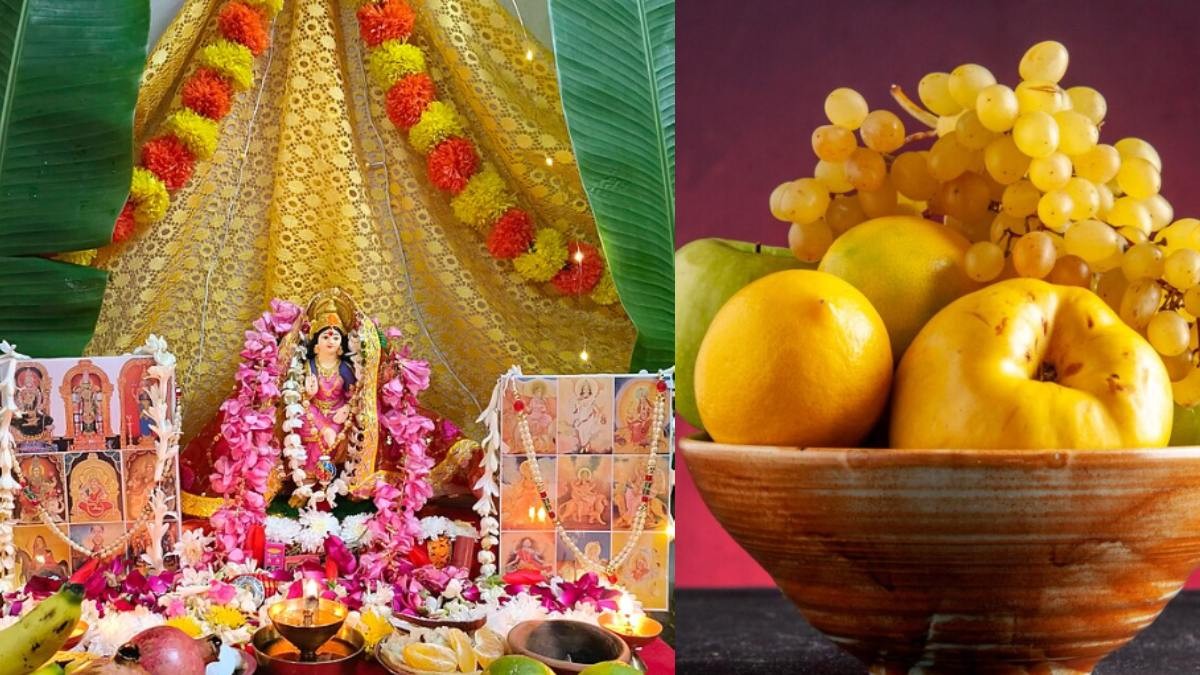
It’s not only about not eating certain foods in Navratri for many of the devotees. But fasting practices differ from family to family and region to region.
What can you eat during Navratri Fasting?
For those who observe Navratri vrat, devotees can choose from several foods that are usually accepted for fasting.
Related Articles

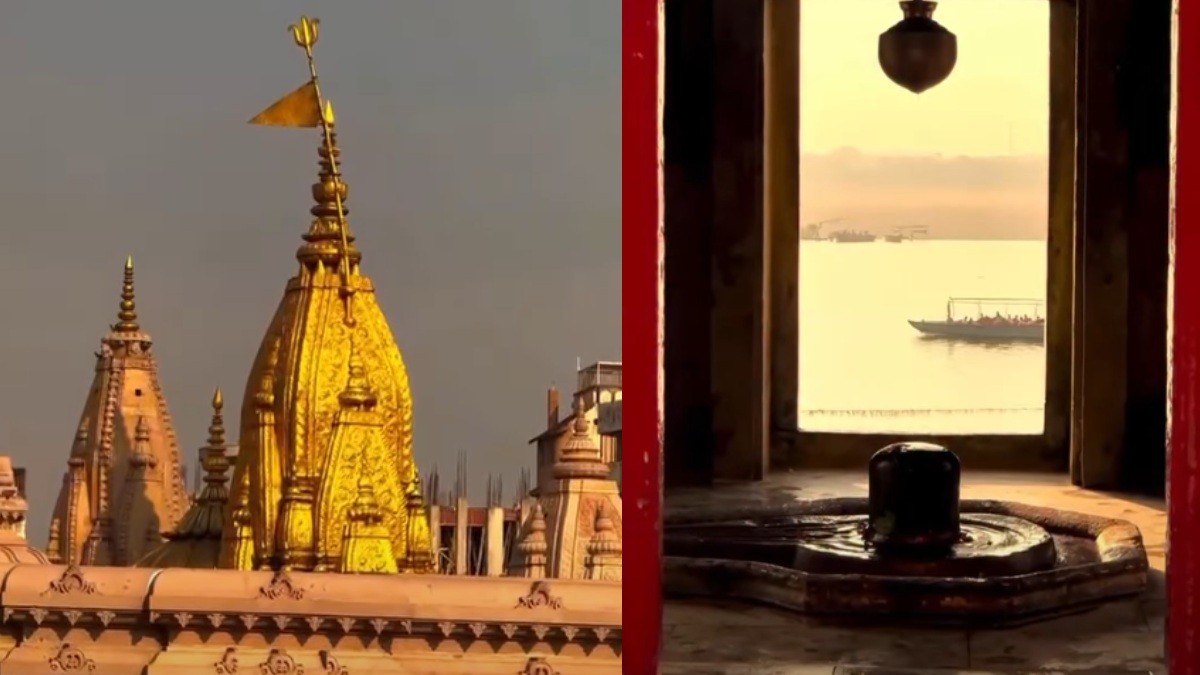
1. Fruits: Apples, bananas, papayas, oranges, pomegranates and other fresh fruits are popular fasting options. They provide vitamins, minerals and natural energy.
2. Dairy Products: Milk, curd, paneer and buttermilk are commonly consumed during Navratri. They can provide protein and calcium as part of a balanced fasting diet.
3. Vrat-Friendly Flours: Buckwheat flour (kuttu), water chestnut flour (singhara) and amaranth flour (rajgira) are commonly used to prepare fasting dishes such as puris, rotis and pancakes.
Related Articles
4. Potatoes and Other Vegetables: Potatoes, sweet potatoes, pumpkin and bottle gourd are popular choices. Their preparation usually avoids ingredients that are restricted during the vrat.
5. Nuts and Seeds: Almonds, walnuts, cashews, peanuts and seeds can provide energy and healthy fats. They are useful as snacks between meals.
6. Samak Rice: Barnyard millet, often called samak rice, is a popular substitute for regular rice during Navratri fasting. It can be prepared as a simple pulao or khichdi.
7. Rock Salt: Many devotees use sendha namak instead of regular table salt while preparing fasting meals.
In order to prepare meals during the fasting period, many devotees use sendha namak instead of regular table salt.
What should you avoid at Navratri Vrat?
Typically, fasting rules restrict certain foods during the nine days.
-
Regular grains: Rice, wheat and ordinary flour are avoided by devotees following strict vrat rules.
-
Pulses and lentils: Many traditional fasting practices exclude dals, beans and other pulses.
-
Onion and garlic: These ingredients are commonly avoided as part of a sattvic diet.
-
Non-vegetarian food: Meat, fish and eggs are generally avoided.
-
Alcohol and tobacco: Many devotees abstain from alcohol and tobacco during the festival.
-
Processed and packaged foods: Check the ingredients carefully, as some products contain regular grains, prohibited ingredients or ordinary salt.
Some devotees also avoid certain spices and eat only one meal a day. These practices are not universal, so it is best to follow your family's customs or the tradition you observe.
How do you keep healthy during Navratri Fasting?
Fasting should not leave you exhausted or dehydrated. Drink enough water throughout the day and include proteins from fruits, dairy products, nuts and other suitable sources in your diet.
Don’t rely on fried vrat snacks for all of your meals, because they’re high in fat and may not provide balanced nutrition. Eat at regular intervals if your fasting tradition allows it, and get enough rest.
People with diabetes, pregnant or breastfeeding women, and those with medical conditions need to seek medical advice before undertaking restrictive fasting. Fasting practices can be modified when needed in order to protect health.
Conclusion
Navratri fasting is a personal expression of faith, discipline and devotion to Goddess Durga. Knowing what to eat and avoid can give devotees more confidence in observing the nine-day vrat. Choosing suitable foods, staying hydrated, and respecting family customs will help devotees focus on prayer and the spiritual meaning of the festival.



Comments 0