
Brihadeeswarar Temple (Periya Kovil) or Big Temple is one of the most celebrated Shiva temples in Tamil Nadu. It was built in Thanjavur in the early 11th century by Raja Raja Chola I.
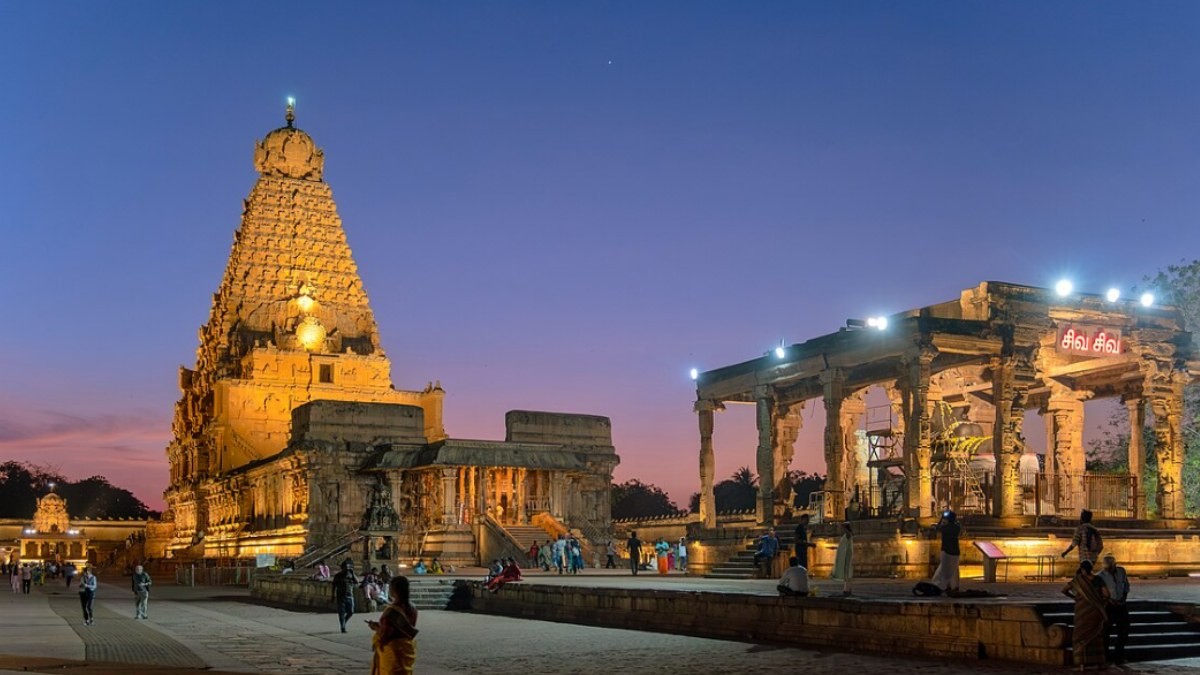
Periya Kovil is much more than a beautiful architectural achievement to the devotees. Its huge vimana and sanctum of worship, the presence of Lord Shiva and centuries-old rituals of worship make it very spiritual in nature.
The temple is also part of the Great Living Chola Temples which are listed as a UNESCO World Heritage property.
Related Articles

Dedicated to Lord Shiva
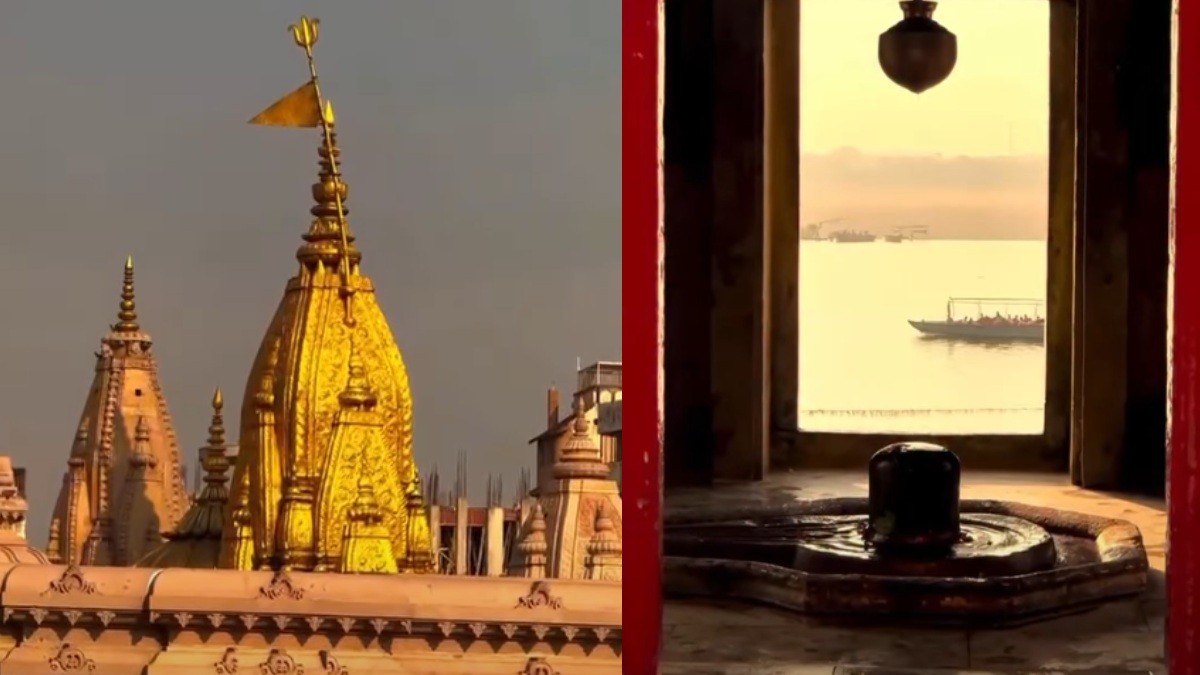
The main deity of the temple is Lord Shiva, known as Brihadisvara, or great Lord. The huge Shiva lingam in the inner sanctum is the centre of worship.
Shiva lingam in Shaivite tradition is the divine presence of Shiva and is associated with the eternal and formless nature of the Supreme.
If the temple is a place of prayer, reflection and spiritual connection we are in a place to be in the temple.
Related Articles
The Powerful Vimana
One of the most beautiful features of Periya Kovil is the towering vimana above the sanctum. It is high above the temple complex and it is a sign of the immense architectural knowledge of the Chola people of the Chola period.
From a spiritual perspective, temple architecture is often interpreted symbolically. The movement from outer areas of a temple towards the sanctum can represent a gradual movement from the outside world towards inner stillness and divine awareness.
The Sacred Nandi
A beautiful Nandi faces the main Shiva shrine. Nandi, the sacred bull and a companion of Lord Shiva, is important in Shaivite worship.
Nandi is often associated with patience, dedication and unwavering focus. His constant orientation towards Shiva is seen by devotees as a reminder of single-minded devotion.
A temple with ancient inscriptions.
The walls of Periya Kovil have many inscriptions from the Chola period. They speak about temple administration, donations, rituals and various aspects of life in the period.
These inscriptions also indicate the extent to which temples were connected to social and cultural life in medieval Tamil society in a very deep way.
The Divine Beauty of Chola Art
Sculptures and paintings add another spiritual dimension to the temple. And images of deities and sacred figures were not merely decorative elements but an important part of the visual language of temple worship.
Hindu traditions are depicted so well that you must think about the stories in detail to understand it.
A Living Centre of Worship
As a temple, Periya Kovil is still a living temple. There are prayers and religious practices going on in the temple after more than a thousand years.
That’s how we connect the past with the present. Visitors can see a monument that is very important and devotees carry on the traditions of generations past.
Raja Raja Chola and his devotion to Shiva.
The temple was constructed under Raja Raja Chola I and is one of the great successes of Chola times. The scale of the temple reflects the importance of Shiva worship during his reign.
That monument is a reminder of how spirituality, art, architecture and royal patronage were linked in South Indian history.
A place for inner reflection.
Periya Kovil can be considered as a haven of spiritual reflection, more than the grand architecture. One may think about this humble shrine of Lord Shiva and the need to be humble, to be devoted to the Lord and to be in the heart of people of this world and the way people are not at the right time.
The temple’s grandeur can also remind visitors of the vastness of the divine compared with the individual self.
Conclusion
Periya Kovil is not simply a monument built more than a thousand years ago. It is a living manifestation of Shiva devotion, Chola culture, Tamil heritage and spiritual tradition.
Its imposing vimana, holy Shiva lingam, majestic Nandi, ancient inscriptions and continued worship are all wonderful places for history lovers and spiritual seekers alike.
A visit to Thanjavur Periya Kovil may not only be a travelogue through history, it is also a chance to stand before Lord Shiva, enter an ancient sacred space and spend a brief moment in prayer and inner reflection.



Comments 0