
Pitru Dosha is associated with unresolved ancestral influences in a person’s birth chart with Hindu astrology and traditional beliefs. Some traditions relate it to the need to honour ancestors through prayers, rituals and acts of charity.
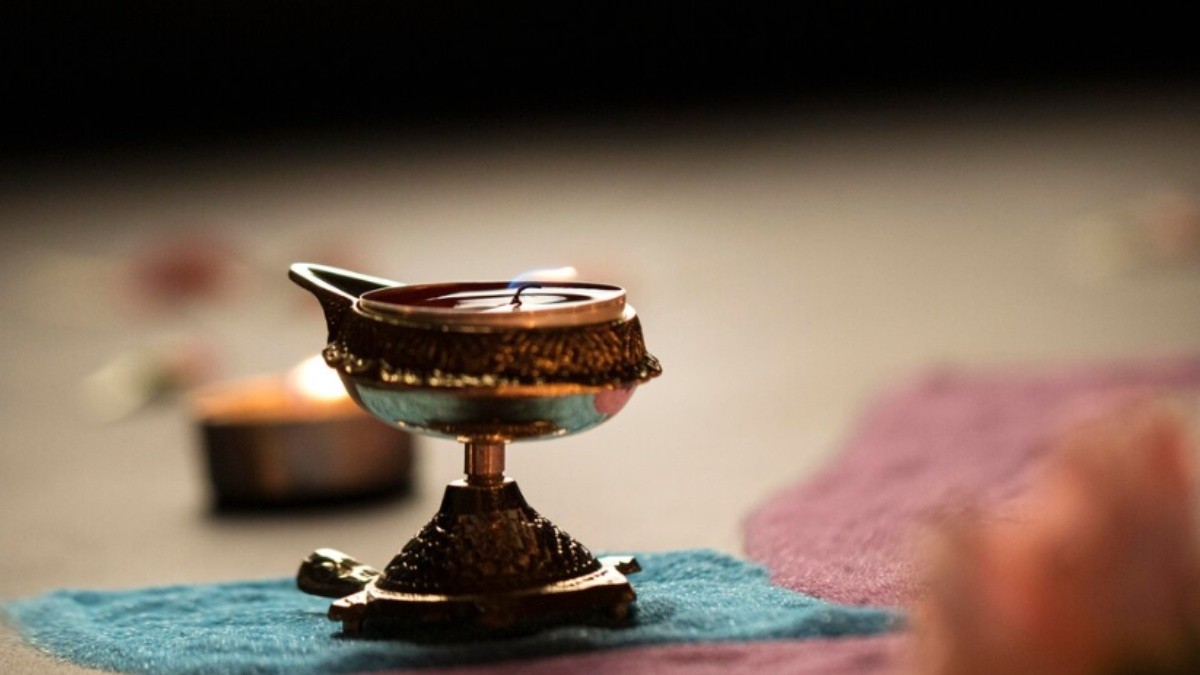
Pitru Paksha times are a family-wide time to do and receive food, donations, prayers and purchases of all things. And, according to one traditional belief, people do not buy some of the products simply because they are available at attractive discounts, rather than because they are very good deals.
In all families and regions, these practices vary greatly and are faith-based rather than scientifically proven rules.
Related Articles

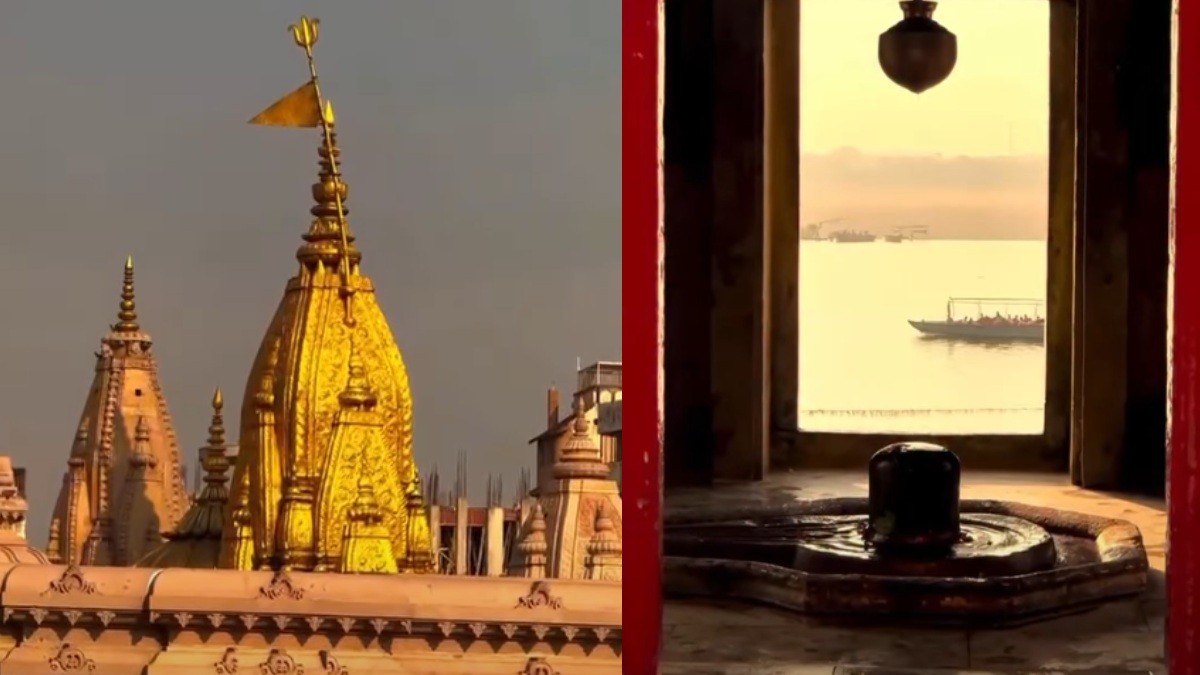
Why are Purchases associated with Pitru Paksha?
Pitru Paksha is considered a period to recall and pay respect to deceased ancestors. Cultivators might not be concerned with material celebrations but would rather perform rituals, eat and donate.
Because of this spiritual consideration, some traditions tell us not to perform unnecessary and impulsive shopping. The idea is not so much about the discount as it is about a slow and thoughtful thinking philosophy.
Gold and Expensive Jewellery
Some classical beliefs counsel not to buy gold, jewellery or other luxury items when it is appropriate for our ancestors.
Related Articles
The rationale is to keep the period focused on remembrance, rituals and charity rather than material accumulation. But this is not a universal Hindu rule and customs differ from community to community.
New Clothes and Luxury Items
Some families also avoid new clothes, expensive accessories or other non-essential luxury products during Pitru Paksha.
It is rather the devotees who donate money to charity, or make donations to ancestors.
And that is a common practice, not a religious requirement, among everyone.
Property and Major Purchases
Some traditional interpretations suggest postponing major purchases (such as property, vehicles or expensive household goods) during ancestral rituals unless the purchase is necessary.
Many of the people who follow the traditions will wait until the period has ended before making great financial commitments.
From the practical point of view, major purchases should always be based on financial planning, necessity and affordability rather than fear of an astrological consequence.
Avoid Impulsive Shopping
The message that can be applied more generally is to avoid unnecessary spending. Discounts can also drive people to buy things that they don’t really need.
Pitru Paksha devotees who follow traditional practices might focus on prayer, remembrance, family gatherings and charity as opposed to shopping.
What Can Be Done Instead?
Traditional practices during Pitru Paksha might include providing food, performing Tarpan, remembering ancestors and donating useful items to people in need.
Some families visit temples or perform ancestral rituals with the help of a priest. Some simply spend time remembering deceased family members and expressing gratitude for their contributions.
Respecting Different Traditions
Pitru Dosha and Pitru Paksha are beliefs that differ among different Hindu communities. There is no single list that every Hindu must avoid buying.
People can follow family, community or spiritual teacher’s customs and make practical decisions about their finances and daily lives.
So the emphasis of Pitru Paksha is on remembrance, gratitude, charity and spiritual reflection rather than fear surrounding everyday purchases.



Comments 0